Discover Medical Equipment Used in Hospitals and Clinics
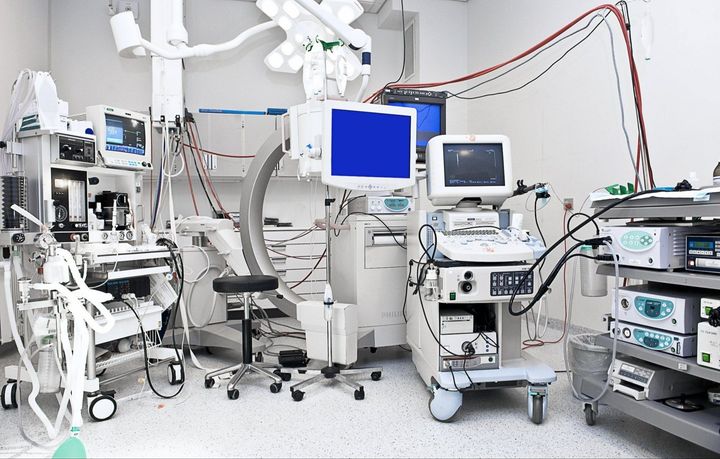
Medical equipment plays a vital role in modern healthcare. Hospitals, clinics, diagnostic centers, and healthcare professionals rely on various devices to examine, monitor, diagnose, and support patients. These tools help improve accuracy, efficiency, and patient outcomes across different medical settings.
Over the years, medical equipment has become more accurate, efficient, and technology-driven. Digital systems, artificial intelligence, and connected healthcare devices are changing how medical facilities operate. Understanding the purpose and function of these tools helps patients, caregivers, and healthcare professionals better appreciate their role in healthcare delivery.
Context
Medical equipment refers to the instruments, machines, and devices used in healthcare settings to diagnose, monitor, treat, and support patients. These tools are found in hospitals, clinics, laboratories, emergency departments, and specialized medical centers.
The development of medical equipment has evolved alongside advances in medical science. Early healthcare relied heavily on manual observation and simple instruments. Today, sophisticated technologies such as MRI scanners, ultrasound machines, patient monitors, and robotic-assisted systems support a wide range of medical procedures.
Common Categories of Medical Equipment
- Diagnostic equipment
- Monitoring equipment
- Therapeutic equipment
- Surgical instruments
- Laboratory equipment
- Imaging systems
- Emergency and life-support devices
Examples of Medical Equipment
| Equipment Type | Primary Purpose | Common Location |
|---|---|---|
| Stethoscope | Listen to heart and lung sounds | Clinics and hospitals |
| Blood Pressure Monitor | Measure blood pressure | Clinics and wards |
| Ultrasound Machine | Create internal body images | Diagnostic centers |
| ECG Machine | Monitor heart activity | Cardiology departments |
| Ventilator | Assist breathing | Intensive care units |
| Defibrillator | Restore normal heart rhythm | Emergency departments |
| MRI Scanner | Detailed internal imaging | Hospitals |
| Infusion Pump | Deliver fluids and medications | Patient care units |
Importance
Medical equipment is essential for delivering accurate and timely healthcare. It helps healthcare professionals identify medical conditions, monitor patient progress, and provide appropriate treatment.
Patients benefit from improved diagnosis and treatment planning when reliable equipment is available. For example, imaging devices can help detect diseases at earlier stages, while monitoring systems can alert healthcare teams to sudden changes in a patient's condition.
Healthcare facilities also rely on medical equipment to improve operational efficiency. Accurate diagnostic and monitoring tools reduce delays, support evidence-based decisions, and enhance patient safety.
The impact of medical equipment extends to:
- Patients receiving treatment
- Physicians and nurses
- Laboratory professionals
- Emergency responders
- Healthcare administrators
- Public health organizations
Recent Updates
The period from 2024 to 2026 has seen significant advancements in medical equipment technology.
One major trend is the increased use of artificial intelligence in diagnostic systems. AI-assisted imaging tools can help healthcare professionals analyze scans more efficiently and identify patterns that may require further investigation.
Remote patient monitoring has also expanded. Connected devices allow healthcare providers to monitor vital signs and health data from patients outside traditional healthcare settings.
Another important development is the growth of smart medical equipment. Many modern devices now connect to hospital information systems, enabling better data sharing and reducing manual record-keeping.
Key developments include:
- AI-supported diagnostic imaging
- Advanced wearable health monitoring devices
- Cloud-connected medical systems
- Improved cybersecurity measures for healthcare devices
- Enhanced robotic-assisted surgical technologies
- Portable diagnostic equipment for community healthcare
Healthcare organizations are also focusing on sustainability by adopting energy-efficient equipment and reducing electronic waste where possible.
Laws or Policies
Medical equipment is subject to strict regulations to ensure safety, effectiveness, and quality.
Regulatory authorities evaluate medical devices before they can be used in healthcare environments. Manufacturers must demonstrate that equipment meets established standards and performs as intended.
Important Regulatory Areas
- Device safety testing
- Quality management systems
- Clinical evaluation requirements
- Manufacturing standards
- Post-market monitoring
- Data privacy and cybersecurity protections
In the United States, the Food and Drug Administration (FDA) regulates many medical devices. Within the European Union, medical devices are governed through the Medical Device Regulation (MDR).
Many countries also follow international standards developed by organizations such as the International Organization for Standardization (ISO) and the International Electrotechnical Commission (IEC).
Healthcare facilities are generally required to:
- Maintain equipment regularly
- Follow manufacturer guidelines
- Train personnel appropriately
- Report certain equipment-related incidents
- Protect patient information associated with connected devices
As digital healthcare grows, governments continue updating policies related to cybersecurity, software-based medical devices, and artificial intelligence applications in healthcare.
Tools and Resources
Several resources help healthcare professionals, administrators, and researchers learn about medical equipment and regulatory requirements.
| Resource Type | Purpose |
| Regulatory agency websites | Device regulations and guidance |
| Clinical engineering associations | Equipment management information |
| Medical standards organizations | Technical standards and compliance |
| Hospital equipment maintenance systems | Asset tracking and maintenance |
| Biomedical engineering platforms | Educational materials and research |
| Medical device databases | Product classification and safety information |
Useful resources may include:
- Regulatory authority guidance documents
- Equipment maintenance checklists
- Risk assessment templates
- Clinical engineering educational materials
- Medical device safety databases
These resources help organizations maintain compliance, improve equipment performance, and support patient safety initiatives.
FAQs
What is medical equipment?
Medical equipment includes devices, machines, and instruments used to diagnose, monitor, treat, or support patients in healthcare settings.
Why is medical equipment important in hospitals?
Medical equipment helps healthcare professionals make accurate diagnoses, monitor patient conditions, and provide effective treatment.
What are examples of diagnostic medical equipment?
Common examples include ultrasound machines, ECG machines, MRI scanners, CT scanners, and blood pressure monitors.
How often should medical equipment be maintained?
Maintenance schedules vary by device type, manufacturer recommendations, regulatory requirements, and healthcare facility policies.
What role does artificial intelligence play in medical equipment?
Artificial intelligence can assist with image analysis, pattern recognition, workflow optimization, and decision support in certain healthcare applications.
Conclusion
Medical equipment is a fundamental part of modern healthcare and supports nearly every aspect of patient care. From simple diagnostic tools to advanced imaging systems, these devices help healthcare professionals diagnose conditions, monitor health, and deliver treatment effectively.
Recent technological advancements, including artificial intelligence and connected healthcare systems, continue to improve the capabilities of medical equipment. At the same time, regulations and safety standards help ensure that these devices remain reliable and effective.
Understanding the purpose, importance, and ongoing development of medical equipment provides valuable insight into how healthcare systems operate and evolve to meet patient needs.