E-Waste Recycling Machines Guide: Explore Types, Components, Processes, Applications, and Safety Factors
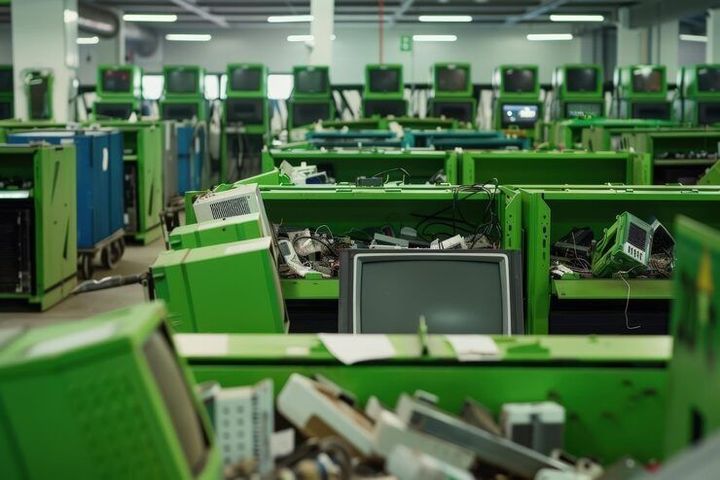
E-waste recycling machines are specialized equipment used to process discarded electrical and electronic equipment and recover useful materials. These machines can handle items such as computers, circuit boards, cables, appliances, communication equipment, and other electronic components after they reach the end of their useful life.
Electronic equipment contains a mixture of materials, including plastics, ferrous metals, non-ferrous metals, glass, and small quantities of valuable or hazardous substances. Manual dismantling can separate some components, while mechanical equipment can further reduce, sort, and process material fractions.
The development of e-waste recycling machines is connected with the growth of electronic manufacturing and the increasing amount of discarded electronic equipment. Modern recycling systems combine several stages rather than relying on a single machine. A typical line may include dismantling equipment, shredders, magnetic separators, eddy-current separators, screening systems, and dust-control equipment.
Why E-Waste Requires Specialized Equipment
Electronic products have complex structures. A single device may contain a metal frame, plastic housing, circuit boards, wires, batteries, glass, and other components. These materials have different physical properties, making separation necessary before further processing.
E-waste recycling equipment is designed to reduce the size of materials and separate fractions according to characteristics such as size, density, magnetic response, electrical conductivity, and composition. The exact process depends on the type of electronic waste being handled.
Common E-Waste Recycling Machines
A recycling facility may use several types of equipment:
- Dismantling machines help separate components before mechanical processing.
- Shredders reduce electronic waste into smaller pieces.
- Granulators further reduce selected materials, particularly cables and plastics.
- Magnetic separators remove ferrous metals.
- Eddy-current separators separate certain non-ferrous metals from other material.
- Vibratory or rotary screens classify material according to particle size.
- Air separators use differences in density and airflow behavior to separate lightweight fractions.
- Cable separators process insulated wires into separate metal and insulation fractions.
- Dust-collection systems capture airborne particles generated during mechanical processing.
The equipment arrangement is normally designed around the incoming waste stream and the material fractions that need to be separated.
Importance
E-waste management matters because electronic equipment contains both recoverable materials and substances that require controlled handling. If discarded electronics are processed without suitable controls, dust, contaminated fractions, and hazardous components can create environmental and workplace concerns.
Recycling machines can support more controlled material separation and reduce the amount of manual processing required for repetitive mechanical tasks. They are used by specialized recyclers, dismantling facilities, manufacturers managing electronic waste streams, and organizations operating under applicable environmental requirements.
Materials Recovered From E-Waste
Depending on the equipment and input material, processing can produce several material fractions. Common examples include:
- Ferrous metals such as iron and steel
- Non-ferrous metals such as aluminum and copper
- Plastics
- Glass
- Printed circuit board fractions
- Insulated and processed cable fractions
- Other separated electronic components
The composition of e-waste varies considerably. A computer, refrigerator, mobile device, television, and industrial control unit can require different dismantling and processing approaches.
Problems Addressed by Recycling Machines
Mechanical recycling equipment addresses several practical challenges associated with electronic waste. Large or mixed components can be reduced into manageable particle sizes, while separation equipment can divide materials into more consistent fractions.
Automated or semi-automated equipment can also improve process consistency when large quantities of similar material are processed. However, mechanical processing does not eliminate the need for inspection, controlled dismantling, appropriate handling, and environmental safeguards.
Factors Affecting Machine Selection
The appropriate equipment depends on factors such as:
- Type of electronic waste
- Physical size of incoming material
- Material composition
- Required particle size
- Desired separation method
- Processing capacity
- Dust characteristics
- Presence of batteries or other hazardous components
- Required degree of automation
- Available floor space
A system designed for printed circuit boards may differ substantially from equipment intended for refrigerators, cables, computers, or mixed electronic scrap.
Recent Updates
From 2024 through 2026, e-waste recycling has increasingly focused on higher recovery efficiency, automation, traceability, and the controlled recovery of materials from complex electronic products. This trend is connected with broader circular-economy initiatives and the growing importance of recovering materials from discarded electronics.
In India, the E-Waste (Management) Rules, 2022 remain the central regulatory framework and entered into force in April 2023. The framework established an Extended Producer Responsibility system involving manufacturers, producers, refurbishers, and recyclers.
The Ministry of Environment, Forest and Climate Change has also published amendments to the E-Waste (Management) framework, including a 2024 amendment. Government regulatory resources list the original 2022 rules and subsequent amendments.
Automation in E-Waste Processing
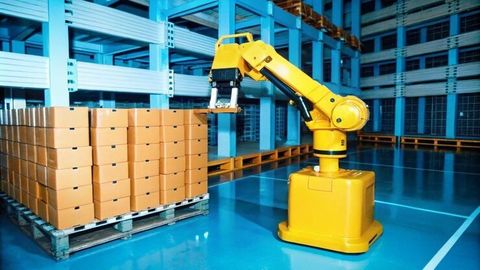
Automated systems can combine shredding, conveying, screening, magnetic separation, eddy-current separation, and other processes into integrated production lines. Sensors and programmable controls can help monitor material movement and machine operation.
Robotic and automated dismantling technologies are also being explored for electronic products with repeatable structures. These systems can be particularly relevant where consistent component separation is required.
Material Recovery and Circular Manufacturing
Modern recycling processes increasingly emphasize recovery of useful material fractions rather than simply reducing waste volume. Mechanical separation can prepare fractions for subsequent specialized treatment.
The E-Waste (Management) Rules, 2022 provide for EPR certificates linked to recycling and specify recovery-related provisions for materials including gold, copper, aluminum, and iron.
Digital Compliance and Tracking
India's CPCB operates an online E-Waste EPR Portal for regulated stakeholders. The portal supports registration and reporting functions associated with the E-Waste (Management) Rules, 2022. CPCB currently reminds registered stakeholders about applicable EPR targets and periodic returns.
Environmental compensation guidelines have also been approved for non-compliance under the E-Waste (Management) Rules, 2022, adding greater emphasis on regulatory compliance and accurate reporting.
Laws or Policies
In India, e-waste management is regulated primarily through the E-Waste (Management) Rules, 2022, issued under the Environment (Protection) Act, 1986. The rules came into force on April 1, 2023 and apply to specified electrical and electronic equipment and relevant stakeholders involved in its lifecycle.
The framework includes Extended Producer Responsibility, which requires producers of covered electrical and electronic equipment to meet specified recycling obligations through the regulatory system. Registered recyclers play an important role in generating recycling certificates associated with processed e-waste.
Recycler Registration
CPCB states that manufacturers, producers, refurbishers, and recyclers covered by the rules are required to register on the E-Waste EPR Portal. The framework also requires recycler facilities and recycling processes to comply with applicable CPCB standards and guidelines.
This means that machinery alone does not establish regulatory compliance. A recycling facility must consider its registration status, permitted activities, environmental controls, record keeping, reporting requirements, and applicable state-level permissions.
Environmental Compensation
CPCB's environmental compensation guidelines address several forms of non-compliance, including operation without required registration, inaccurate information, failure to submit required returns, and non-compliance with applicable recycling requirements.
The exact requirements depend on the role of the organization and the type of electronic equipment being processed. Facilities should therefore consult current CPCB and relevant State Pollution Control Board requirements before establishing or modifying an e-waste processing operation.
Batteries and Other Regulated Materials
Not every material associated with electronic equipment falls under the same regulatory framework. CPCB's FAQ notes that waste batteries covered by the Battery Waste Management Rules, 2022 are excluded from the scope of the E-Waste (Management) Rules, 2022.
This distinction is important because batteries may require separate collection, storage, transportation, and processing arrangements.
Tools and Resources
Several technical and regulatory resources can help readers understand e-waste recycling machines and their operating environment.
CPCB E-Waste EPR Portal
The Central Pollution Control Board's E-Waste EPR Portal provides regulatory information and online functions associated with the E-Waste (Management) Rules, 2022. It is relevant to registered producers, manufacturers, refurbishers, and recyclers.
Recycling Process Flow Sheets
A process flow sheet can show how incoming electronic waste moves through dismantling, shredding, screening, magnetic separation, non-ferrous separation, and collection. It can also identify where dust-control systems and inspection points are located.
Machine Capacity Calculations
Basic capacity calculations can help estimate how much material a processing line can handle over a specified period. Useful variables include feed rate, operating hours, machine availability, particle size, and material characteristics.
Equipment Inspection Checklists
A machine inspection checklist can include:
| Inspection area | Items to review |
|---|---|
| Shredder | Blades, chamber, guards, drive system |
| Conveyor | Belt condition, alignment, emergency controls |
| Separator | Magnetic or eddy-current operation |
| Screen | Mesh condition, blockage, vibration |
| Dust control | Filters, ducts, collection containers |
| Electrical system | Connections, controls, protective devices |
| Safety system | Guards, emergency stops, warning signs |
| Material handling | Storage areas and separated fractions |
CPCB Guidelines and Regulatory Documents
CPCB publications and the E-Waste EPR Portal are useful references for understanding registration, reporting, recycling requirements, environmental compensation, and applicable compliance procedures. The regulatory framework can change through amendments, notices, and updated guidelines, so current government information should be checked for operational decisions.
FAQs
What are e-waste recycling machines?
E-waste recycling machines are mechanical systems used to dismantle, reduce, separate, and process discarded electrical and electronic equipment. Common equipment includes shredders, granulators, magnetic separators, eddy-current separators, screens, and cable processing machines.
How does an e-waste recycling machine work?
An e-waste recycling system usually begins with inspection and dismantling. Material may then pass through shredding, screening, magnetic separation, non-ferrous separation, air separation, or other processes to create more consistent material fractions.
What components are used in e-waste recycling machines?
Common components include motors, shredding blades or cutters, shafts, conveyors, screens, magnetic systems, eddy-current separators, control panels, frames, sensors, guards, and dust-collection equipment. The component arrangement depends on the machine design.
What safety factors are important in e-waste recycling?
Important factors include machine guarding, emergency-stop systems, dust control, electrical protection, safe material handling, noise control, fire precautions, and appropriate personal protective equipment. Batteries and other potentially hazardous components require controlled handling according to applicable requirements.
Are e-waste recycling machines regulated in India?
The machines themselves form part of a wider regulated recycling operation. India's E-Waste (Management) Rules, 2022 establish requirements for covered recyclers and other stakeholders, including registration, environmentally sound processing, reporting, and EPR-related obligations.
Conclusion
E-waste recycling machines combine mechanical processing and separation technologies to handle complex mixtures of electronic materials. Shredders, screens, magnetic separators, eddy-current separators, cable processors, and dust-control systems can perform different stages of the recycling process. Recent developments have emphasized automation, material recovery, digital tracking, and stronger regulatory oversight. In India, the E-Waste (Management) Rules, 2022 and CPCB requirements provide the main regulatory framework for covered recycling activities.