Explore Manufacturing Machinery: Complete Guide and Industry Information
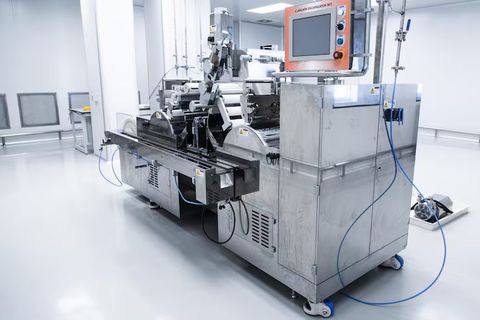
Manufacturing machinery plays an essential role in modern production across industries such as automotive, food processing, electronics, pharmaceuticals, construction, and consumer goods. These machines help transform raw materials into finished products through standardized and efficient production processes. As manufacturing technology continues to advance, businesses are increasingly using automation, digital monitoring, and precision engineering to improve productivity and product consistency.
Understanding manufacturing machinery is valuable for students, industry professionals, business owners, researchers, and anyone interested in industrial production. From traditional mechanical equipment to modern smart manufacturing systems, today's machinery supports a wide range of production methods while improving quality, workplace safety, and resource efficiency.
Context
Manufacturing machinery refers to the equipment used to produce, process, assemble, package, or inspect products during industrial manufacturing. These machines are designed for different production stages depending on the type of industry and materials involved.
The history of manufacturing machinery dates back to the Industrial Revolution when mechanical equipment replaced many manual production methods. Over time, technological improvements introduced electric motors, computer controls, robotics, and artificial intelligence, allowing factories to produce goods with greater precision and consistency.
Common Types of Manufacturing Machinery
Manufacturing facilities may use equipment such as:
- CNC machines
- Industrial robots
- Injection molding machines
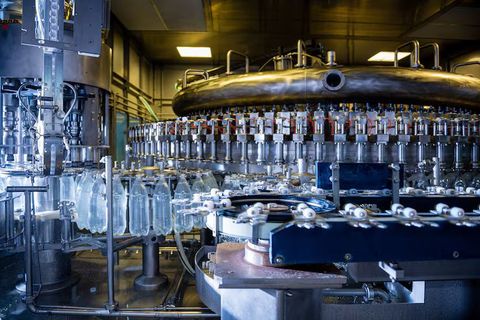
- Packaging machines
- Metal fabrication machines
- Conveyor systems
- Hydraulic presses
- Laser cutting machines
- Welding equipment
- Industrial mixers
Each machine performs a specific function within the production process, helping manufacturers maintain quality standards while reducing production delays.
| Machinery Type | Primary Purpose | Common Industries |
|---|---|---|
| CNC Machine | Precision machining | Automotive, aerospace |
| Industrial Robot | Automated assembly | Electronics, automotive |
| Packaging Machine | Product packaging | Food, pharmaceuticals |
| Hydraulic Press | Forming and pressing materials | Metalworking |
| Conveyor System | Material movement | Warehousing, manufacturing |
| Laser Cutting Machine | Precision cutting | Metal fabrication |
Importance
Manufacturing machinery supports nearly every industrial sector by improving production efficiency, reducing manual handling, and maintaining consistent product quality. Modern equipment also helps manufacturers meet growing demand while using materials and energy more effectively.
Industries that depend on manufacturing machinery include:
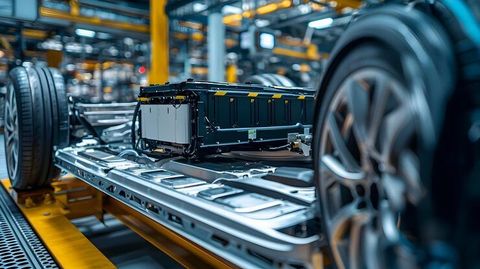
- Automotive manufacturing
- Food and beverage production
- Pharmaceutical manufacturing
- Medical device production
- Electronics manufacturing
- Textile production
- Construction materials
- Chemical processing
The impact extends beyond factories. Consumers benefit from improved product consistency, while businesses can maintain reliable production schedules. Governments also encourage advanced manufacturing because it supports industrial development, innovation, and economic growth.
Modern manufacturing machinery contributes to:
- Higher production accuracy
- Better workplace safety
- Reduced material waste
- Improved energy efficiency
- Consistent product quality
- Greater production flexibility
Digital Manufacturing and Automation
Many production facilities now combine manufacturing machinery with digital technologies. Sensors, industrial software, cloud platforms, and machine monitoring systems collect operational data in real time. This information helps operators identify maintenance needs, monitor performance, and improve production planning without interrupting manufacturing activities.
Recent Updates
Between 2024 and 2026, manufacturing machinery has continued to evolve with greater integration of digital technologies and automation. Manufacturers are focusing on improving operational efficiency while reducing environmental impact and supporting flexible production.
Several important developments include:
- Increased adoption of industrial automation and robotics.
- Greater use of artificial intelligence for predictive maintenance.
- Expansion of Industrial Internet of Things (IIoT) connectivity.
- More digital twin technology for equipment simulation.
- Improved energy-efficient machine designs.
- Growth of collaborative robots working alongside human operators.
- Increased use of additive manufacturing for specialized components.
Manufacturers are also placing greater emphasis on sustainability by reducing emissions, improving recycling processes, and optimizing resource consumption. Many factories now monitor electricity usage and machine performance through centralized digital dashboards.
Another important trend is remote machine diagnostics. Connected equipment allows technical teams to monitor system performance, detect abnormal operating conditions, and schedule maintenance before unexpected downtime occurs.
Laws or Policies
Manufacturing machinery is subject to safety, environmental, and technical regulations that vary between countries. These rules help protect workers, maintain product quality, and reduce environmental risks.
Common regulatory areas include:
- Workplace health and safety standards
- Machine guarding requirements
- Electrical safety regulations
- Environmental protection rules
- Noise and emission standards
- Energy efficiency guidelines
- Product quality management systems
Many countries require machinery to comply with recognized technical standards before industrial use. Organizations responsible for developing manufacturing standards include international and national standardization bodies.
Manufacturers often implement quality management systems and documented maintenance procedures to demonstrate compliance with applicable regulations. Regular inspections, operator training, and equipment maintenance also contribute to safer industrial operations.
Governments in many regions have introduced policies encouraging smart manufacturing, digital transformation, and environmentally responsible production through industrial modernization programs and technology initiatives.
Tools and Resources
Several online resources help people understand manufacturing machinery, production methods, technical standards, and industrial technology.
Useful resources include:
- International manufacturing associations
- Government industry departments
- Standards organizations
- Occupational safety agencies
- Engineering reference libraries
- Industrial automation learning platforms
- University manufacturing research centers
Helpful digital tools include:
- Machine maintenance scheduling software
- Production planning templates
- Preventive maintenance checklists
- Manufacturing process calculators
- CAD and CAM software
- Energy consumption monitoring platforms
- Equipment documentation management systems
These resources support learning, technical planning, equipment management, and continuous process improvement across manufacturing environments.
FAQs
What is manufacturing machinery?
Manufacturing machinery includes industrial equipment used to process raw materials, assemble products, package goods, inspect quality, and support production operations in factories.
Which industries use manufacturing machinery?
Automotive, electronics, pharmaceuticals, food processing, construction, textiles, aerospace, medical equipment, and metal fabrication industries all depend on manufacturing machinery.
What is smart manufacturing?
Smart manufacturing combines manufacturing machinery with automation, sensors, artificial intelligence, cloud computing, and real-time data analysis to improve production efficiency and decision-making.
Why is preventive maintenance important?
Preventive maintenance helps identify potential equipment problems before they become major failures, improving machine reliability and reducing unexpected production interruptions.
How has manufacturing machinery changed in recent years?
Recent developments include greater automation, robotic systems, digital monitoring, predictive maintenance, Industrial Internet of Things technologies, and improved energy-efficient equipment.
Conclusion
Manufacturing machinery remains one of the most important foundations of modern industrial production. Continuous improvements in automation, digital technologies, and sustainable manufacturing are changing how factories operate across many sectors. Understanding different types of machinery, industry developments, regulations, and available resources helps individuals better understand today's manufacturing environment. As technology continues to evolve, manufacturing machinery will remain central to efficient, safe, and high-quality production worldwide.