Fiber Laser Cutting Systems Guide: Basics, Benefits, and Key Insights
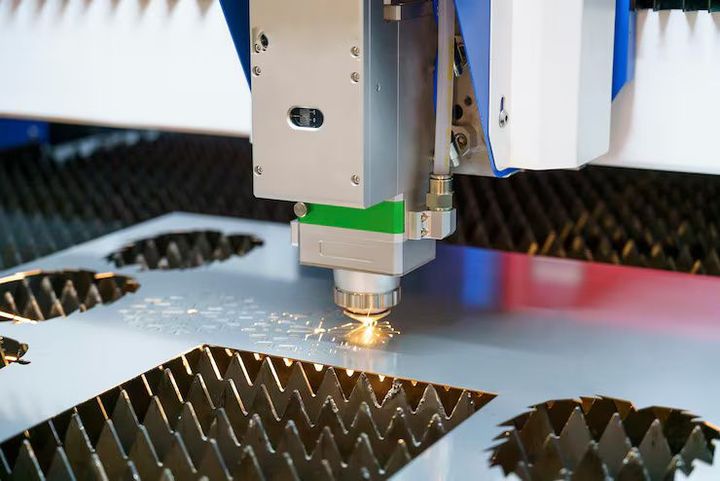
Fiber laser cutting systems are advanced manufacturing technologies used to cut materials such as metal, alloys, and composites with high precision. These systems use a fiber optic laser beam, which is generated through a solid-state laser source and delivered through optical fibers to the cutting head.
Fiber laser cutting systems are designed to deliver accurate, clean, and efficient material cutting in industrial production. Traditional cutting methods often rely on mechanical tools or less efficient thermal processes, which can reduce precision and increase waste.
These systems improve cutting accuracy, minimize material loss, and support automated manufacturing environments. They are widely used across industries that require consistent and high-quality results.
Key Components of a Fiber Laser Cutting System
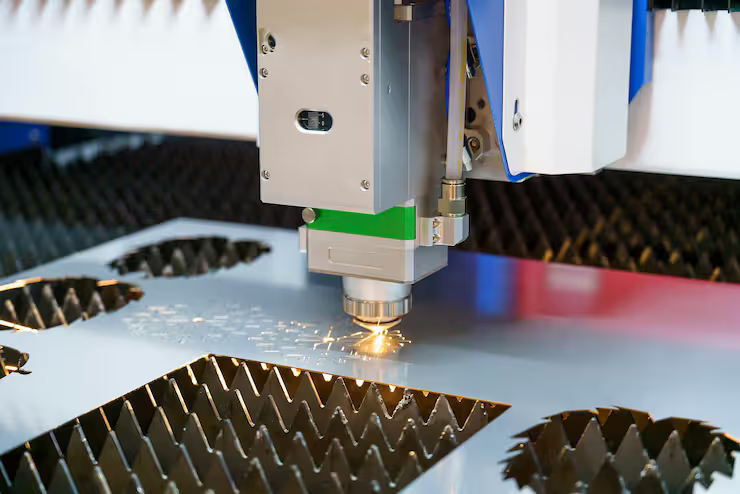
A typical fiber laser cutting setup consists of several integrated components that work together for precision and automation.
Core Components
- Laser source (fiber laser generator)
- CNC control system
- Cutting head with focusing lens
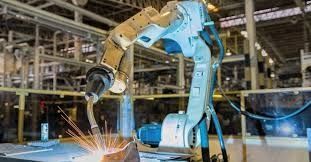
- Motion system (gantry or robotic arm)
- Cooling and exhaust systems
Role of Automation
The integration of CNC automation allows operators to execute complex cutting patterns with minimal manual intervention. This ensures repeatability and reduces operational errors in high-volume production.
Why Fiber Laser Cutting Systems Matter Today
Fiber laser cutting technology has become essential in modern manufacturing due to increasing demand for precision and efficiency. It supports industries transitioning toward automation and digital transformation.
Key Benefits
- High precision for complex geometries
- Reduced material waste
- Faster processing speeds
- Compatibility with automated systems
- Efficient cutting of reflective metals
Industry Challenges Solved
- Inconsistent cut quality in traditional methods
- Downtime caused by tool wear
- Difficulty cutting reflective materials
- Limited flexibility in design changes
Industries Using Fiber Laser Cutting
- Automotive: chassis and structural parts
- Aerospace: lightweight and strong materials
- Electronics: precision components
- Construction: structural steel fabrication
Recent Updates and Trends in 2025
Fiber laser cutting systems continue to evolve with advancements in power, automation, and sustainability. These updates reflect the growing demand for smarter manufacturing solutions.
Key Trends
- Adoption of high-power lasers (20 kW and above)
- Integration of artificial intelligence for optimization
- Improved beam quality for smoother finishes
- Hybrid machines combining multiple functions
Smart Manufacturing Integration
Modern systems are now connected to Industrial IoT platforms. These platforms enable real-time monitoring of performance metrics such as energy usage, cutting speed, and maintenance requirements.
Sustainability Focus
Manufacturers are adopting energy-efficient laser sources and optimized cutting paths. This supports green manufacturing practices and reduces environmental impact.
Regulatory and Policy Considerations
Fiber laser cutting systems must comply with safety and environmental regulations across different regions. These regulations ensure safe operation and product quality.
Common Regulatory Areas
- Workplace safety standards
- Emission and air quality controls
- Electrical and machinery safety compliance
- Environmental protection laws
Regional and Global Standards
- India: Governed by the Factories Act and labor safety guidelines
- European Union: CE marking and machinery directives
- Global: ISO 11553 (laser safety) and ISO 9001 (quality management)
Governments also promote Industry 4.0 adoption, encouraging the use of automated and energy-efficient technologies.
Tools and Resources for Fiber Laser Cutting
Various digital tools support the efficient operation of fiber laser cutting systems. These tools enhance design accuracy, production speed, and process monitoring.
Common Tools
- CAD software for design creation
- CAM software for generating cutting paths
- CNC control interfaces
- Nesting software for material optimization
- Simulation tools for testing processes
- Industrial IoT dashboards
Important File Formats
- DXF (Drawing Exchange Format)
- DWG (AutoCAD format)
- G-code for CNC instructions
Comparison of Cutting Technologies
| Cutting Technology | Precision Level | Speed | Material Compatibility |
|---|---|---|---|
| Fiber Laser | Very High | Very Fast | Metals and alloys |
| CO2 Laser | High | Moderate | Non-metals and some metals |
| Plasma Cutting | Moderate | Fast | Thick conductive metals |
| Waterjet Cutting | High | Slow | Wide range including composites |
Basic Workflow
- Design part using CAD software
- Convert design into instructions with CAM
- Load material into the machine
- Execute automated cutting
- Inspect finished components
Performance Priorities
| Performance Factor | Importance Level |
|---|---|
| Cutting Precision | High |
| Energy Efficiency | High |
| Automation Integration | High |
| Manual Intervention | Low |
Frequently Asked Questions
What materials can fiber laser cutting systems process?
Fiber laser systems are primarily used for metals such as stainless steel, carbon steel, aluminum, brass, and copper. They are especially effective for reflective materials.
How does fiber laser differ from CO2 laser cutting?
Fiber lasers use a solid-state source and are more efficient for metal cutting. CO2 lasers are typically better suited for non-metal materials like wood and plastics.
Is fiber laser cutting suitable for high-volume production?
Yes, these systems are widely used in both mass production and customized manufacturing due to their speed and automation capabilities.
What factors affect cutting quality?
Cutting quality depends on laser power, beam focus, material type, thickness, and machine calibration.
Are fiber laser systems energy efficient?
Fiber laser systems are generally more energy-efficient than traditional laser technologies due to better energy conversion.
Additional Insights on Industry Applications
Fiber laser cutting systems are increasingly used in smart factories where machines communicate to optimize workflows. This integration improves overall productivity and efficiency.
Key Applications
- Sheet metal fabrication
- Aerospace precision parts
- Electric vehicle battery components
- Electronic device enclosures
Advantages in Modern Manufacturing
- Reduced production time
- Improved batch consistency
- Lower maintenance requirements
- Greater flexibility for design changes
The integration with robotic systems further enhances automation in production lines.
Conclusion
Fiber laser cutting systems represent a major advancement in industrial manufacturing. They offer high precision, speed, and adaptability, making them essential for modern production environments.
Ongoing innovations in automation, artificial intelligence, and energy efficiency continue to shape their future. Understanding these systems helps businesses and professionals stay competitive in a rapidly evolving manufacturing landscape.