Flour Milling Machines Guide: Technology, Applications, and Industry Insights
Flour milling machines are specialized industrial equipment used to convert grains such as wheat, maize, rice, barley, oats, and millet into flour. These machines have become an essential part of modern food processing because they improve efficiency, consistency, and grain quality while reducing manual effort.
The history of flour milling dates back thousands of years when people used hand stones to crush grains. Over time, watermills, windmills, and mechanical roller mills transformed grain processing. Today, advanced flour milling technology combines automation, precision engineering, digital monitoring, and energy-efficient systems to produce flour suitable for different food applications.
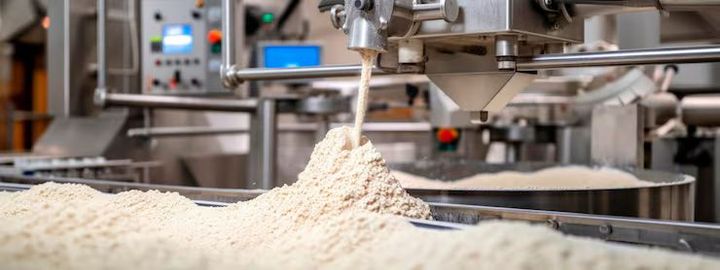
Modern flour milling machines perform several important functions, including grain cleaning, conditioning, grinding, separating, sifting, and packaging preparation. Every stage helps improve flour quality while minimizing waste and maintaining food safety standards.
As global demand for processed food continues to grow, flour milling technology plays a vital role in supplying flour for bakeries, food manufacturers, restaurants, educational institutions, and households. Advances in industrial automation and smart manufacturing have further improved productivity, quality control, and operational efficiency across the milling industry.
Importance
Flour milling machines are important because they help transform raw agricultural products into food ingredients used every day. High-quality flour supports the production of bread, noodles, biscuits, pasta, cakes, breakfast cereals, and many other food products consumed worldwide.
The importance of flour milling technology continues to increase due to several factors.
- Supports growing global food demand.
- Improves grain utilization and reduces processing waste.
- Produces consistent flour quality.
- Enhances food safety through controlled processing.
- Improves production efficiency with automation.
- Reduces manual handling and processing errors.
- Supports large-scale food manufacturing.
- Enables processing of multiple grain varieties.
Modern milling equipment also contributes to sustainability. Many facilities now incorporate energy-efficient motors, automated monitoring systems, dust control equipment, and optimized material flow to reduce environmental impact.
For agricultural economies, flour milling strengthens the food supply chain by connecting farmers, grain storage facilities, transportation systems, and food manufacturers. It creates a reliable pathway for converting harvested grains into valuable food products.
Industries that benefit from flour milling technology include:
| Industry | Application |
|---|---|
| Food Manufacturing | Flour production for packaged foods |
| Baking Industry | Bread, cakes, cookies, pastries |
| Pasta Production | Wheat flour processing |
| Snack Manufacturing | Grain-based snack ingredients |
| Educational Institutions | Food research and training |
| Agriculture | Value-added grain processing |
These applications demonstrate why flour milling remains one of the most important sectors within food processing and industrial manufacturing.
Recent Updates
The flour milling industry has experienced significant technological developments during the past year. Throughout 2025 and into 2026, manufacturers have focused on improving efficiency, digital monitoring, sustainability, and food safety.
One major trend is the adoption of smart automation systems. Modern mills increasingly use sensors that monitor grain flow, moisture content, machine performance, and production efficiency in real time. These systems help operators identify maintenance needs before equipment downtime occurs.
Artificial intelligence is also becoming more common in industrial grain processing. AI-assisted quality monitoring can analyze flour consistency, detect process variations, and improve production planning.
Energy efficiency continues to receive attention. New milling systems feature improved roller designs, efficient motors, and optimized airflow that reduce energy consumption while maintaining production capacity.
Digital production management is another growing trend. Cloud-connected monitoring systems allow production managers to review operational performance, maintenance schedules, and production reports from centralized dashboards.
Food safety remains a key priority. Many processing facilities have upgraded dust collection systems, sanitation procedures, and contamination monitoring equipment to meet evolving food quality expectations.
Sustainability initiatives have also expanded during 2025. Many milling operations are improving grain utilization, reducing waste generation, and implementing environmentally responsible production practices.
These technological improvements are helping flour milling operations become more reliable, efficient, and adaptable to changing food production requirements.
Laws or Policies
Flour milling operations are influenced by food safety regulations, industrial manufacturing standards, environmental requirements, and workplace safety policies. Although regulations vary between countries, several common regulatory areas apply globally.
Food safety regulations require grain processing facilities to maintain hygienic production environments, monitor contamination risks, and implement quality assurance procedures throughout manufacturing.
Many countries encourage the use of preventive food safety management systems that identify potential hazards before products reach consumers.
Industrial safety regulations focus on protecting workers from machinery hazards, dust exposure, electrical risks, and mechanical equipment operation. Proper machine guarding, emergency shutdown systems, and employee training are common safety requirements.
Environmental regulations often address:
- Dust emission control
- Waste management
- Air quality protection
- Noise reduction
- Energy efficiency
- Water management
Some governments also promote sustainable manufacturing initiatives that encourage modern processing equipment with reduced environmental impact.
Export-oriented flour manufacturers may also follow international quality management frameworks to ensure consistent production standards for global food markets.
Following these regulatory requirements helps improve food quality, operational safety, and environmental responsibility across the milling industry.
Tools and Resources
Several general tools and educational resources can help individuals, students, manufacturers, and researchers better understand flour milling technology.
Useful resources include:
- Grain moisture calculators
- Production capacity calculators
- Equipment maintenance checklists
- Energy efficiency assessment templates
- Industrial process flow diagrams
- Preventive maintenance schedules
- Food safety documentation templates
- Quality inspection checklists
- Manufacturing productivity trackers
- Industrial automation learning platforms
- Technical training materials
- Grain storage planning resources
- Process optimization worksheets
- Engineering design software
- Industrial data monitoring dashboards
Educational materials covering food engineering, grain science, industrial automation, mechanical engineering, and manufacturing technology also provide valuable information for learning modern flour milling processes.
These resources support continuous learning while improving operational understanding and production efficiency.
Frequently Asked Questions
What is a flour milling machine?
A flour milling machine is industrial equipment designed to process grains into flour through cleaning, grinding, separating, and refining stages.
Which grains can be processed using flour milling machines?
Modern milling machines commonly process wheat, maize, rice, barley, oats, rye, millet, sorghum, and several other cereal grains depending on machine design.
Why is grain cleaning important before milling?
Grain cleaning removes stones, dust, metal particles, husks, and other impurities before grinding. This improves flour quality, protects equipment, and supports food safety.
How has automation improved flour milling?
Automation improves production accuracy, monitors machine performance, reduces manual intervention, enhances quality consistency, and supports preventive maintenance through digital monitoring systems.
What industries use flour milling machines?
Flour milling machines are widely used in food manufacturing, bakery production, pasta manufacturing, cereal processing, snack production, agricultural processing, research institutions, and educational facilities.
Conclusion
Flour milling machines continue to play a fundamental role in modern food production by transforming raw grains into high-quality flour for countless applications. Advances in automation, smart monitoring, digital manufacturing, and energy-efficient engineering have significantly improved the performance and reliability of today's milling systems.