Foundry Machinery Information and Guide for Industrial Manufacturing
Foundry Machinery plays an important role in modern industrial manufacturing. It supports the production of metal components used in automotive systems, construction equipment, aerospace parts, machinery, and household products. Processes such as Die Casting, Sand Casting, CNC Foundry operations, and Metal Casting help manufacturers create strong and precise metal parts in large volumes.
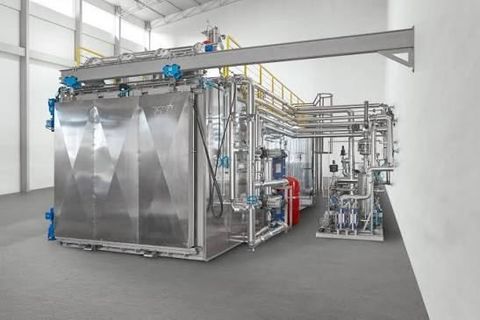
Industrial equipment such as an Industrial Furnace and a Melting Furnace are essential for heating and processing metals before shaping them into final products. Over the years, foundry technology has improved through automation, digital monitoring, and energy-efficient systems. These developments continue to influence manufacturing industries around the world.
Context
What Is Foundry Machinery?
Foundry Machinery refers to equipment and systems used to melt, shape, mold, and finish metal products. These machines are commonly used in factories that produce cast metal components from materials such as iron, aluminum, steel, brass, and bronze.
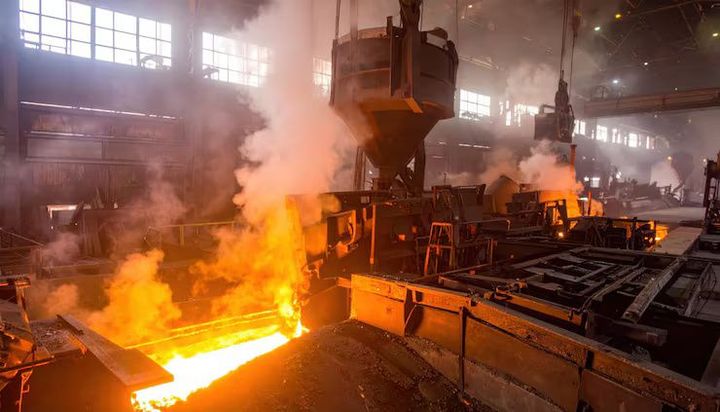
The manufacturing process usually begins with heating metal inside a Melting Furnace or Industrial Furnace. The molten metal is then poured into molds where it cools and hardens into a desired shape. After cooling, the product may go through machining, cleaning, and inspection stages.
Main Types of Metal Casting Processes
Sand Casting
Sand Casting is one of the oldest and most widely used casting methods. It uses sand molds to shape molten metal into different forms. This process is useful for producing large or complex components.
Die Casting
Die Casting uses reusable metal molds and high-pressure injection systems. It is commonly used for aluminum and zinc parts that require smooth surfaces and accurate dimensions.
CNC Foundry Operations
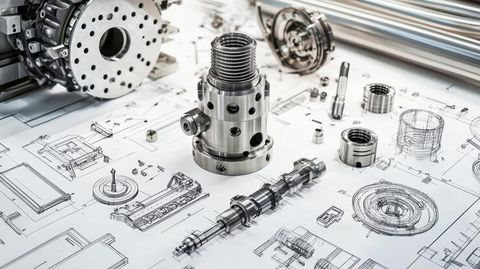
A CNC Foundry combines casting processes with computer-controlled machining systems. CNC machines help improve precision, reduce waste, and maintain product consistency.
Common Foundry Equipment
| Equipment Type | Main Purpose |
|---|---|
| Melting Furnace | Heats and melts metal materials |
| Industrial Furnace | Maintains high temperatures for processing |
| Sand Mixer | Prepares molding sand |
| Die Casting Machine | Injects molten metal into molds |
| CNC Machine | Performs precision finishing |
| Dust Collection System | Controls airborne particles |
Importance
Why Foundry Machinery Matters
Foundry Machinery supports industries that depend on metal components for production and infrastructure. Without metal casting systems, many industrial products would be difficult to manufacture at scale.
Industries such as transportation, renewable energy, mining, agriculture, and heavy equipment manufacturing rely on foundry operations. Metal Casting allows manufacturers to create durable parts with complex designs and consistent quality.
Benefits of Modern Foundry Systems
Modern foundry systems provide several operational advantages:
- Improved production accuracy
- Faster manufacturing cycles
- Better temperature control
- Reduced material waste
- Safer working conditions
Advanced Industrial Furnace systems also help reduce energy consumption through improved insulation and automated heat management.
Environmental and Workplace Impact
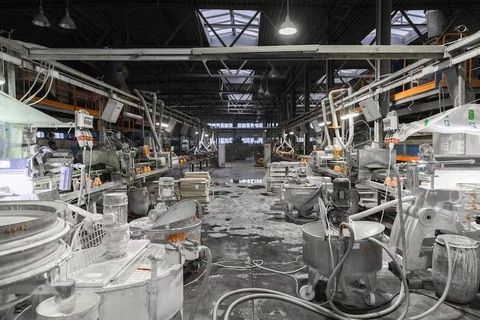
Foundry facilities can produce dust, fumes, and high heat levels. Because of this, manufacturers increasingly use filtration systems, emission monitoring tools, and automated handling equipment to improve workplace safety and environmental performance.
Governments and industrial organizations continue to encourage cleaner furnace technologies and energy-efficient production systems.
Recent Updates
Automation and Smart Manufacturing
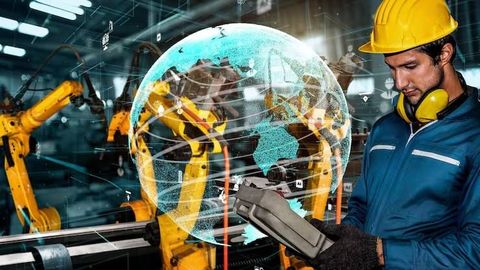
Between 2024 and 2026, many manufacturers adopted smart manufacturing technologies in foundry operations. Sensors, machine monitoring systems, and artificial intelligence tools are now used to track furnace temperatures, detect equipment issues, and improve production planning.
CNC Foundry systems have become more integrated with digital software platforms that support automated quality inspection and predictive maintenance.
Growth of Energy-Efficient Furnaces
Industrial Furnace and Melting Furnace technologies have improved in energy efficiency. New furnace systems use advanced insulation materials and automated controls to reduce energy loss during metal heating processes.
Electric induction furnaces are also becoming more common because they can reduce emissions compared to some traditional fuel-based systems.
Increased Use of Lightweight Metals
Manufacturers are increasingly using lightweight metals such as aluminum and magnesium. This trend is especially visible in transportation and electric vehicle manufacturing, where lower vehicle weight can improve energy efficiency.
As a result, Die Casting technologies have expanded to support lightweight metal component production.
Recycling and Sustainable Manufacturing
Many foundries now include recycled metal materials in their operations. Recycling helps reduce raw material consumption and lowers industrial waste generation.
Modern Metal Casting facilities are also adopting water recycling systems and improved air filtration equipment to support environmental goals.
Laws or Policies
Environmental Regulations
Foundry facilities are commonly regulated under air quality and industrial emission laws. These regulations may include limits on particulate matter, furnace emissions, and hazardous substances released during Metal Casting operations.
Manufacturers often need to monitor air quality and maintain filtration systems to comply with environmental standards.
Workplace Safety Rules
Industrial foundries must follow workplace safety policies related to heat exposure, protective equipment, machine operation, and ventilation systems.
Common safety measures include:
- Heat-resistant protective clothing
- Emergency shutdown systems
- Ventilation and dust control
- Noise reduction measures
- Equipment maintenance inspections
Energy Efficiency Policies
Several countries introduced industrial energy-efficiency programs between 2024 and 2026. These policies encourage manufacturers to modernize furnace systems and reduce industrial energy consumption.
Some programs support the use of electric furnace systems and automated monitoring technologies that improve operational efficiency.
Quality and Certification Standards
Foundry manufacturers may follow international standards such as ISO quality management systems and metal testing procedures. These standards help maintain consistency in Metal Casting and machining processes.
Tools and Resources
Useful Industrial Platforms
The following platforms provide educational information, standards, and technical resources related to Foundry Machinery and Metal Casting:
| Resource Type | Purpose |
| Industry Associations | Technical guidance and research |
| CAD Software | Mold and component design |
| CNC Simulation Software | Machine programming and testing |
| Furnace Monitoring Systems | Temperature and energy tracking |
| Safety Training Platforms | Workplace safety education |
Common Digital Tools
Furnace Monitoring Software
These systems help operators monitor temperature levels, fuel use, and equipment performance in real time.
CNC Programming Platforms
CNC software allows engineers to design and automate machining operations after casting processes are completed.
Production Planning Systems
Factories use planning software to schedule casting operations, manage materials, and reduce downtime.
Educational Resources
Technical institutes, manufacturing organizations, and engineering publications regularly publish guides related to Die Casting, Sand Casting, CNC Foundry operations, and Industrial Furnace technologies.
These resources help manufacturers stay informed about safety standards, process improvements, and equipment developments.
FAQs
What is the purpose of Foundry Machinery?
Foundry Machinery is used to melt, mold, shape, and finish metal products for industrial manufacturing applications.
What is the difference between Die Casting and Sand Casting?
Die Casting uses reusable metal molds and high-pressure injection systems, while Sand Casting uses sand molds that are typically replaced after each use.
Why is a Melting Furnace important in metal manufacturing?
A Melting Furnace heats metal materials until they become liquid, allowing them to be shaped into molds during Metal Casting operations.
How does CNC Foundry technology improve manufacturing?
CNC Foundry systems improve precision, automate machining tasks, and help maintain consistent product quality.
What industries use foundry equipment?
Industries such as automotive manufacturing, aerospace, agriculture, construction, transportation, and heavy machinery production commonly use foundry equipment.
Conclusion
Foundry Machinery remains a key part of industrial manufacturing and metal production. Processes such as Die Casting, Sand Casting, CNC Foundry operations, and Metal Casting support the creation of durable and precise components used across many industries. Modern Industrial Furnace and Melting Furnace systems continue to improve efficiency, automation, and environmental performance. As manufacturing technology develops further, foundry operations are expected to become more energy-efficient, digitally connected, and environmentally responsible.

You May Also Like