Gym Equipment Manufacturing: Processes and Industry Trends
Gym equipment manufacturing refers to the design, development, testing, and production of machines and accessories used for physical exercise and fitness training. These products include strength-training machines, cardio equipment, free weights, functional training systems, exercise benches, resistance devices, and rehabilitation equipment.
The industry emerged from the growing demand for structured fitness solutions. As people became more aware of the importance of physical health, fitness facilities expanded and required reliable equipment capable of supporting frequent use. Over time, manufacturing methods evolved from simple mechanical designs to highly engineered systems that integrate electronics, sensors, and digital technologies.
Modern gym equipment is designed to improve exercise efficiency, enhance user safety, and accommodate different fitness levels. Manufacturers focus on ergonomics, durability, and performance while ensuring products meet industry standards and user expectations.
The manufacturing process typically involves research, design, material selection, fabrication, assembly, testing, and quality control before products reach fitness facilities and consumers.
Why Gym Equipment Manufacturing Matters Today
The gym equipment manufacturing industry plays an important role in supporting global health and wellness initiatives. As physical activity becomes a priority for individuals, organizations, and governments, the demand for reliable exercise equipment continues to increase.
Several groups are directly affected by developments in this industry:
- Fitness centers and training facilities
- Educational institutions
- Sports organizations
- Rehabilitation and healthcare centers
- Home fitness users
- Professional athletes
One of the main challenges addressed by gym equipment manufacturing is accessibility to structured exercise. Well-designed equipment helps users perform exercises safely and effectively while reducing the risk of injury.
The industry also contributes to technological innovation. Modern equipment often includes digital displays, performance tracking systems, connectivity features, and user analytics that support personalized fitness experiences.
Another important aspect is durability. Commercial fitness facilities require equipment capable of handling continuous usage while maintaining performance and safety standards. Manufacturers therefore invest heavily in material engineering and product testing.
Materials Commonly Used in Gym Equipment Manufacturing
The quality and lifespan of gym equipment depend heavily on the materials selected during production.
| Material | Common Application | Key Benefits |
|---|---|---|
| Steel | Frames and structural components | Strength and durability |
| Aluminum | Lightweight structures | Corrosion resistance |
| Rubber | Grips, flooring, weight coatings | Shock absorption |
| Plastic Composites | Covers and protective panels | Lightweight and versatile |
| Foam Materials | Seats and cushions | User comfort |
| Stainless Steel | High-moisture environments | Corrosion protection |
Steel remains one of the most widely used materials because it provides the structural strength required for heavy-duty exercise equipment. Protective coatings are often applied to improve appearance and reduce wear over time.
Manufacturers increasingly explore recyclable materials and environmentally conscious production methods as sustainability becomes a greater priority across industrial sectors.
Key Manufacturing Processes
Gym equipment manufacturing involves multiple production stages that ensure quality, consistency, and safety.
Product Design and Engineering
Engineers create digital models and prototypes to evaluate structural integrity, ergonomics, and functionality. Computer-aided design software helps optimize product performance before production begins.
Material Processing
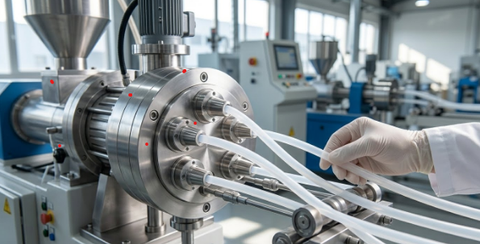
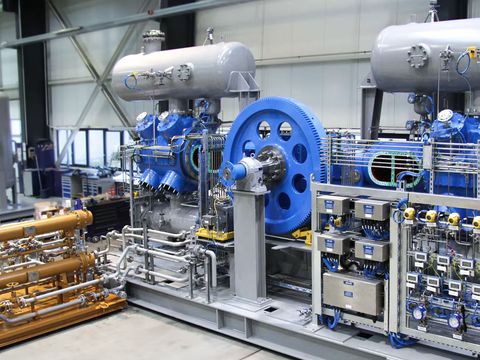
Raw materials are cut, shaped, welded, bent, or machined according to engineering specifications. Precision manufacturing techniques help maintain consistency across production batches.
Surface Treatment
Frames and metal components often undergo surface preparation and protective finishing processes. Powder coating and specialized treatments improve durability and resistance to corrosion.
Assembly and Integration
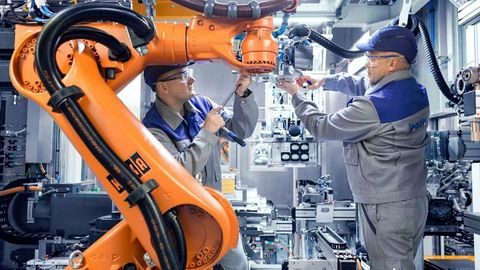
Mechanical parts, cables, pulleys, bearings, electronic systems, and accessories are assembled into complete products. Modern equipment may also include sensors and digital interfaces.
Quality Testing
Manufacturers conduct extensive testing to evaluate durability, load capacity, safety performance, and reliability. Products are assessed under simulated usage conditions to ensure long-term performance.
Technologies Transforming the Industry
Technology continues to reshape gym equipment manufacturing and product functionality.
The following chart highlights major technological trends influencing the industry:
| Technology Area | Industry Impact |
| Smart Sensors | Real-time performance monitoring |
| Internet Connectivity | Data synchronization and tracking |
| Artificial Intelligence | Personalized workout recommendations |
| Automation | Improved manufacturing efficiency |
| Robotics | Greater production precision |
| Data Analytics | Equipment usage insights |
| Virtual Training Systems | Interactive exercise experiences |
Connected fitness solutions have become increasingly common. Many modern machines collect workout data such as repetitions, heart rate, speed, resistance levels, and training duration.
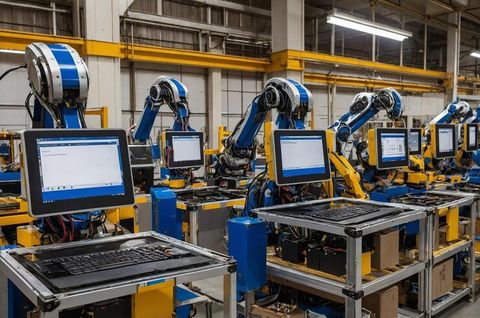
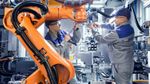
Automation is also transforming production facilities. Automated welding, robotic assembly systems, and advanced quality-control technologies help improve consistency while reducing manufacturing errors.
Artificial intelligence is beginning to influence both equipment design and user experiences by supporting predictive maintenance and adaptive workout recommendations.
Recent Updates and Industry Trends
The gym equipment manufacturing sector has experienced several notable developments during the past year.
Growth of Connected Fitness Solutions (2025–2026)
Manufacturers continue integrating digital tracking capabilities into equipment. Users increasingly expect machines that can record workouts, monitor progress, and provide performance feedback.
Focus on Sustainable Manufacturing
Throughout 2025 and early 2026, many production facilities expanded efforts to reduce material waste, improve energy efficiency, and incorporate recyclable materials into product designs.
Expansion of Hybrid Fitness Models
The combination of facility-based exercise and home workouts continues influencing equipment development. Manufacturers are designing products that support flexible training environments.
Increased Demand for Functional Training Equipment
Functional fitness remains a significant trend. Equipment supporting mobility, balance, strength, and athletic performance has gained attention across both commercial and personal fitness settings.
Greater Use of Automation
Manufacturing facilities increasingly implement automated production technologies to improve efficiency, consistency, and quality control.
These trends indicate that the industry is moving toward smarter, more connected, and environmentally responsible manufacturing practices.
Laws and Policies Affecting Gym Equipment Manufacturing
Gym equipment manufacturers operate within various regulatory frameworks designed to promote safety, quality, and environmental responsibility.
In many countries, manufacturers must comply with product safety standards that address structural integrity, load testing, stability, labeling, and user safety requirements.
Common regulatory areas include:
- Product safety standards
- Material compliance requirements
- Workplace safety regulations
- Environmental protection policies
- Manufacturing quality management systems
- Equipment testing and certification requirements
Governments may also encourage sustainable industrial practices through environmental policies that support waste reduction, resource efficiency, and responsible manufacturing processes.
International manufacturers frequently align products with globally recognized standards to ensure compatibility across different markets and regions.
Compliance helps improve consumer confidence while reducing potential safety risks associated with fitness equipment usage.
Helpful Tools and Resources
Various tools and resources support professionals involved in gym equipment manufacturing, product development, and quality management.
Useful resources include:
- Computer-aided design software
- Engineering simulation tools
- Material selection databases
- Manufacturing planning systems
- Quality inspection checklists
- Production scheduling platforms
- Compliance documentation templates
- Load-testing calculators
- Ergonomic assessment frameworks
- Supply chain management platforms
Educational resources such as industry publications, technical guides, engineering courses, and manufacturing research reports can also help individuals stay informed about emerging technologies and industry developments.
Frequently Asked Questions
What is gym equipment manufacturing?
Gym equipment manufacturing is the process of designing, engineering, producing, testing, and assembling fitness machines and exercise equipment used in commercial and personal fitness environments.
Which material is most commonly used in gym equipment?
Steel is one of the most commonly used materials because it provides excellent strength, durability, and structural stability for fitness equipment.
Why is quality testing important in gym equipment production?
Quality testing helps ensure equipment performs safely under expected usage conditions, reducing the likelihood of structural failures and user injuries.
How is technology changing gym equipment manufacturing?
Technology is improving both production processes and equipment functionality through automation, smart sensors, connectivity features, data analytics, and artificial intelligence applications.
What are the major trends shaping the industry in 2026?
Key trends include connected fitness technologies, sustainable manufacturing practices, automation, functional training equipment, and increased use of digital performance tracking systems.
Conclusion
Gym equipment manufacturing is a specialized industry that combines engineering, material science, safety standards, and technological innovation to create products that support physical fitness and wellness. From raw material processing and product design to assembly and testing, every stage contributes to producing reliable exercise equipment for a wide range of users.