Hydraulic Machinery Development: A Complete Guide to Modern Industrial Systems
Hydraulic machinery refers to mechanical systems that use pressurized fluid to generate motion, force, or power. These systems are widely used in industries such as manufacturing, construction, energy, mining, and transportation. Hydraulic technology converts fluid pressure into mechanical movement, allowing machines to lift heavy loads, operate industrial equipment, and perform precise mechanical tasks.
The development of hydraulic machinery began during the early industrial era when engineers discovered that liquids under pressure could efficiently transmit power. This principle, known as Pascal’s Law, explains that pressure applied to a confined fluid is distributed equally in all directions.
Modern hydraulic systems use this concept to generate high force with precise control. These systems are essential in industries that require heavy lifting, controlled motion, and reliable power transmission.
Common Hydraulic Components
Hydraulic systems consist of several interconnected components that work together to deliver power and control:
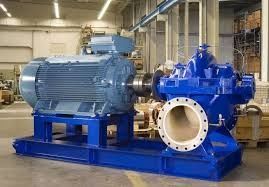
- Hydraulic pumps
- Hydraulic cylinders
- Control valves
- Hydraulic motors
- Fluid reservoirs
- Pressure regulators
These components form the foundation of machines used in construction, manufacturing, aerospace, and heavy engineering.
Why Hydraulic Machinery Development Matters Today
Hydraulic machinery plays a critical role in modern infrastructure and industrial operations. It enables industries to perform tasks that require high force and precision while maintaining efficiency.
As industries continue to evolve, hydraulic systems remain essential for supporting automation, manufacturing, and large-scale engineering projects.
Key Reasons for Importance
- Expansion of industrial automation worldwide
- Increased demand for infrastructure development
- Need for precise force control in manufacturing
- Integration with renewable energy systems
Hydraulic systems solve complex industrial challenges. For example, hydraulic presses apply extreme pressure in metal forming, while cranes safely lift heavy loads.
Advantages of Hydraulic Systems
- High power-to-weight ratio
- Smooth and controlled movement
- Reliable operation under heavy loads
- Compatibility with automated systems
Industry Applications
| Industry Sector | Common Hydraulic Applications |
|---|---|
| Construction | Excavators, cranes, loaders |
| Manufacturing | Hydraulic presses, CNC machines |
| Aerospace | Aircraft landing gear systems |
| Agriculture | Tractors, harvesting equipment |
| Energy | Turbine control systems |
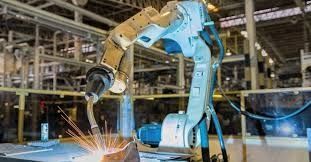
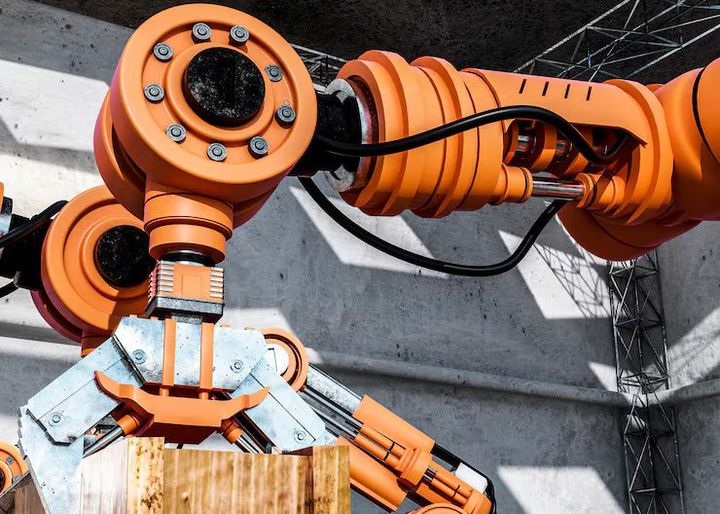
Hydraulic machinery is also widely used in robotics and automated production lines, making it a key technology in modern engineering.
Recent Developments and Trends in Hydraulic Machinery
Recent advancements in hydraulic machinery have focused on improving efficiency, automation, and sustainability. These developments are shaping how industries use hydraulic systems today.
One major trend is the adoption of smart hydraulic systems that use sensors and data analytics for real-time monitoring.
Key Trends in 2024–2025
- Smart hydraulic systems with IoT integration
- Advanced electro-hydraulic actuators
- Energy-efficient variable-speed pumps
- Predictive maintenance software
In 2025, hybrid electro-hydraulic systems have gained attention for combining electric and hydraulic technologies. These systems improve energy efficiency and enhance control accuracy.
Another important trend is the use of environmentally friendly hydraulic fluids. Biodegradable oils are increasingly used in industries such as agriculture and marine engineering.
Regulations and Policies Affecting Hydraulic Machinery
Hydraulic machinery is subject to various safety and environmental regulations. These rules ensure safe operation, worker protection, and reduced environmental impact.
Regulations vary by region but generally focus on equipment safety, fluid handling, and system performance.
Key Regulatory Areas
- Machinery safety standards
- Industrial equipment certification
- Environmental regulations for fluids
- Pressure system safety requirements
Important Standards
| Standard | Purpose |
|---|---|
| ISO 4413 | Hydraulic system safety requirements |
| ISO 12100 | General machinery safety principles |
| ISO 9001 | Quality management systems |
In regions like the European Union and the United States, compliance with safety guidelines is mandatory. Environmental policies also encourage the use of eco-friendly hydraulic fluids and leak prevention technologies.
Useful Tools and Resources for Hydraulic Systems
Engineers rely on various tools to design, analyze, and maintain hydraulic systems. These tools improve efficiency and help detect issues before they cause failures.
Digital solutions play a major role in modern hydraulic engineering.
Common Engineering Tools
- Hydraulic system design software
- CAD modeling tools
- Fluid simulation software
- IoT monitoring platforms
- Pressure calculators
- Maintenance tracking systems
Tool Categories and Functions
| Tool Category | Purpose |
|---|---|
| CAD Software | Designing system components |
| Simulation Software | Testing hydraulic circuits |
| Monitoring Platforms | Tracking system performance |
| Maintenance Software | Scheduling inspections |
Hydraulic diagrams are also essential resources. They help engineers understand system flow, component interaction, and control mechanisms.
Key Elements in Hydraulic Diagrams
- Pumps and motors
- Valves and actuators
- Fluid reservoirs
- Pressure gauges
- Control systems
Frequently Asked Questions
What is hydraulic machinery used for?
Hydraulic machinery is used to generate mechanical power using pressurized fluids. It is commonly found in construction equipment, industrial machines, and automated systems.
Why are hydraulic systems preferred in heavy machinery?
They provide high force output, smooth control, and reliable performance under heavy loads. This makes them ideal for demanding industrial applications.
What are the main components of a hydraulic system?
The main components include pumps, cylinders, valves, reservoirs, hoses, and control systems.
How does hydraulic pressure create movement?
Hydraulic pressure pushes fluid through cylinders or motors, converting fluid energy into mechanical motion or force.
What are modern innovations in hydraulic technology?
Modern innovations include smart sensors, electro-hydraulic actuators, energy-efficient pumps, and predictive maintenance systems.
Additional Insights into Hydraulic System Performance
Hydraulic systems rely on pressure, flow rate, and fluid properties to function efficiently. Engineers carefully balance these factors to optimize performance and safety.
Modern systems use sensors to monitor performance and detect potential issues early.
Key Performance Factors
| Performance Factor | Importance Level |
|---|---|
| System Efficiency | High |
| Reliability | High |
| Energy Consumption | Moderate |
| Maintenance Predictability | High |
Parameters Monitored in Modern Systems
- Fluid temperature
- Pressure fluctuations
- Pump efficiency
- Component wear
These metrics help improve system reliability and reduce unexpected downtime.
Conclusion
Hydraulic machinery development remains a cornerstone of modern industrial engineering. These systems provide the power, precision, and reliability needed for a wide range of applications.
Recent advancements in automation, energy efficiency, and digital monitoring have transformed hydraulic systems into intelligent platforms. Innovations such as smart sensors and predictive maintenance continue to improve performance.
As industries move toward automation and sustainability, hydraulic machinery will continue to play a vital role in supporting efficient and reliable operations worldwide.