Industrial Automation Technologies: Explore Robotics Integration and Process Efficiency
Industrial automation technologies refer to the use of machines, software, sensors, and control systems to perform industrial tasks with limited human intervention.
These technologies have evolved from simple mechanical systems to advanced digital networks that can monitor, control, and optimize production processes in real time.
The development of industrial automation systems began during the Industrial Revolution when machinery started replacing manual labor for repetitive tasks. Over time, advancements in electronics, computing, and communications transformed manufacturing environments into highly connected operations. Today, factory automation systems combine robotics, sensors, data analytics, and intelligent controls to improve consistency and operational efficiency.
Industrial control systems play a central role in modern production facilities. These systems coordinate equipment, monitor performance, and help ensure that manufacturing processes follow predefined instructions. Industries such as automotive, food processing, pharmaceuticals, electronics, energy, and logistics rely on automation to manage complex operations.
As digital transformation expands across industries, smart manufacturing technologies are becoming increasingly important. They connect machines, production lines, and business systems, enabling better visibility into operations and more informed decision-making.
Evolution of Automation Technologies
Early automation focused primarily on mechanization and fixed-function machinery. Modern automation control systems are much more flexible and capable of adapting to changing production requirements.
Key developments include:
- Introduction of programmable controllers
- Growth of industrial robotics automation
- Integration of sensors and machine communication
- Adoption of cloud-based monitoring platforms
- Expansion of artificial intelligence and predictive analytics
Core Components of Industrial Automation
Several technologies work together within industrial automation systems:
| Component | Primary Function |
|---|---|
| Sensors | Collect operational data |
| PLC automation systems | Control machines and processes |
| Industrial robots | Perform repetitive or precise tasks |
| Human-machine interfaces | Display system information |
| Drives and motors | Control movement and speed |
| Industrial networks | Enable communication between devices |
| Data analytics platforms | Analyze performance and efficiency |
These components create a connected environment where machines and systems can work together with greater coordination.
Importance
Industrial automation technologies affect many aspects of modern life, even when consumers do not directly interact with manufacturing facilities. Products used daily, including vehicles, electronics, packaged foods, and household goods, often pass through automated production processes before reaching the market.
Automation helps address several operational challenges faced by manufacturers. Production environments often require consistent quality, accurate measurements, and reliable performance. Automated systems can perform repetitive tasks with high precision while reducing variability in manufacturing processes.
Improving Process Efficiency
One major objective of process automation technologies is improving efficiency. Automated equipment can operate continuously, monitor conditions in real time, and respond quickly to changing production requirements.
Examples include:
- Monitoring temperature during food processing
- Controlling chemical mixing operations
- Managing assembly line sequences
- Tracking inventory movement within facilities
These capabilities help reduce interruptions and improve workflow coordination.
Supporting Workplace Safety
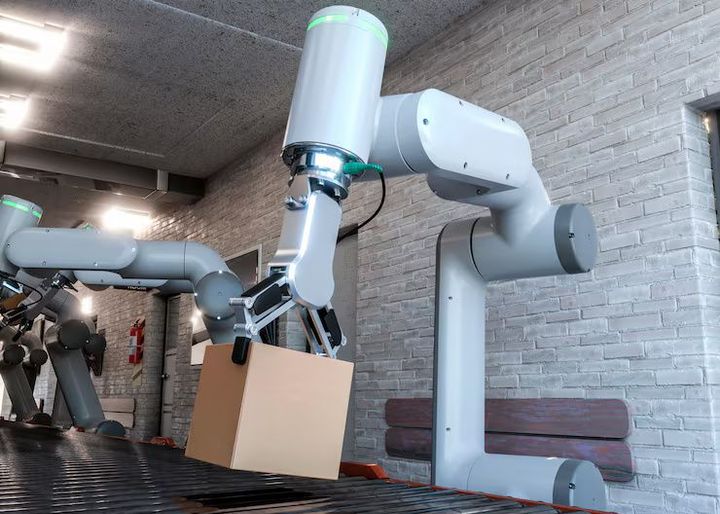
Many industrial environments involve hazardous conditions such as extreme temperatures, heavy machinery, or exposure to chemicals. Industrial robotics automation can perform tasks in these environments, reducing direct human exposure to potential risks.
Robots are commonly used for:
- Welding operations
- Material handling
- Painting applications
- Packaging processes
- Inspection activities
Automation can also support safety monitoring by detecting equipment abnormalities and alerting operators when intervention is needed.
Enhancing Product Consistency
Manufacturers often aim to maintain consistent production standards. Automation control systems follow predefined instructions, helping ensure that products are produced according to specified requirements.
For example, PLC automation systems can regulate machine timing, speed, and positioning with a high degree of accuracy. This consistency can be particularly important in industries where precise measurements are required.
Addressing Labor and Skill Challenges
Many industries face challenges related to workforce availability and specialized technical skills. Automation technologies can assist by handling repetitive operations while allowing employees to focus on supervision, maintenance, analysis, and process improvement activities.
Rather than eliminating human involvement, many modern automation environments combine human expertise with machine capabilities.
Recent Updates
Industrial automation technologies continue to evolve as digital transformation accelerates across manufacturing sectors. Recent developments between 2024 and 2026 have focused on connectivity, intelligence, flexibility, and sustainability.
Expansion of Smart Manufacturing Technologies
Smart manufacturing technologies are increasingly integrating operational data from multiple sources. Sensors, machines, and enterprise systems can share information across production environments, enabling more comprehensive monitoring and analysis.
Connected factories are becoming more capable of:
- Tracking production performance
- Identifying bottlenecks
- Monitoring energy usage
- Predicting equipment maintenance needs
Growth of Collaborative Robotics
Collaborative robots, often called cobots, are designed to work alongside human operators. Unlike traditional industrial robots that frequently operate within dedicated safety zones, collaborative systems can perform tasks in shared workspaces under appropriate safety conditions.
These robots are being used for:
- Assembly assistance
- Quality inspections
- Material transport
- Packaging activities
Artificial Intelligence Integration
Artificial intelligence is increasingly being incorporated into industrial automation systems. AI-driven applications can analyze large volumes of operational data and identify patterns that may not be immediately visible to human operators.
Common applications include:
- Predictive maintenance
- Defect detection
- Production forecasting
- Process optimization
Digital Twin Technology
Digital twins create virtual representations of physical equipment, production lines, or entire facilities. Engineers can use these digital models to simulate operations, test process changes, and evaluate performance without disrupting actual production.
Digital twin adoption continues to expand across manufacturing sectors seeking improved operational visibility.
Energy Efficiency and Sustainability
Organizations are paying greater attention to energy management and environmental performance. Modern industrial automation equipment often includes advanced monitoring tools that help identify opportunities to reduce energy consumption and improve resource utilization.
Laws or Policies
Industrial automation technologies are influenced by regulations, standards, and government initiatives that focus on workplace safety, cybersecurity, environmental protection, and industrial development.
Workplace Safety Regulations
Many countries maintain workplace safety requirements that apply to automated equipment and industrial robotics automation. These regulations generally require organizations to implement safeguards that protect workers from machinery-related hazards.
Safety measures may include:
- Emergency stop systems
- Safety barriers
- Risk assessments
- Machine guarding
- Operator training requirements
Industrial Standards
International standards organizations have developed frameworks that guide the design and operation of industrial automation systems.
Common areas addressed by standards include:
- Functional safety
- Machine safety
- Industrial communications
- Cybersecurity
- Quality management
These standards help create consistency across manufacturing environments.
Cybersecurity Requirements
As factory automation systems become more connected, cybersecurity has become increasingly important. Governments and industry organizations continue developing guidance for protecting industrial control systems from unauthorized access and cyber threats.
Cybersecurity measures often include:
- Network segmentation
- Access controls
- Software updates
- Security monitoring
- Incident response planning
Government Manufacturing Initiatives
Many governments support industrial modernization through programs that encourage digital transformation, advanced manufacturing, and technology adoption. These initiatives often focus on improving competitiveness, productivity, and innovation within manufacturing sectors.
Tools and Resources
Various tools and resources support the implementation and management of industrial automation technologies.
Automation Design Software
Engineering software helps professionals design, simulate, and test automation systems before deployment. These tools can model production processes and identify potential improvements.
Examples include:
- Computer-aided design platforms
- Simulation software
- Process modeling tools
- Digital twin platforms
PLC Programming Platforms
PLC automation systems require programming software that allows engineers to create and manage machine control logic. These platforms support monitoring, troubleshooting, and performance optimization.
Industrial Monitoring Systems
Modern monitoring platforms collect data from industrial automation equipment and provide dashboards that display operational metrics.
Common features include:
- Real-time performance tracking
- Equipment status monitoring
- Alarm management
- Maintenance scheduling
- Historical reporting
Industry Organizations and Educational Resources
Several organizations provide information about automation trends, standards, and technical guidance.
Useful resources may include:
- Manufacturing associations
- Engineering organizations
- Standards development bodies
- Technical publications
- Academic research institutions
These resources help professionals and learners stay informed about developments in automation and manufacturing technologies.
FAQs
What are industrial automation technologies?
Industrial automation technologies are systems that use machines, software, sensors, and control devices to perform industrial tasks with limited manual intervention. They help improve operational consistency, monitoring, and efficiency.
What is the role of industrial robotics automation in manufacturing?
Industrial robotics automation involves using robots to perform repetitive, precise, or hazardous tasks. Common applications include welding, assembly, material handling, inspection, and packaging operations.
How do PLC automation systems work?
PLC automation systems use programmable logic controllers to monitor inputs, process information, and control machinery based on predefined instructions. They are widely used in manufacturing and process industries.
What are industrial control systems?
Industrial control systems are networks of hardware and software used to manage industrial processes. They monitor equipment, regulate operations, and help ensure that production activities follow established procedures.
How do smart manufacturing technologies improve process efficiency?
Smart manufacturing technologies connect machines, sensors, and software platforms to collect and analyze operational data. This information helps organizations monitor performance, identify inefficiencies, and optimize production processes.
Conclusion
Industrial automation technologies have transformed manufacturing by combining machines, software, and data-driven control systems. Industrial automation systems, factory automation systems, and industrial robotics automation contribute to greater operational consistency, workplace safety, and process efficiency. Emerging developments such as artificial intelligence, digital twins, and smart manufacturing technologies continue to expand automation capabilities. As industries become increasingly connected, industrial control systems and process automation technologies are expected to remain important components of modern production environments.