Industrial Bearings Guide: Explore Types, Uses, and Key Mechanical Insights
Industrial bearings are mechanical components designed to reduce friction between moving parts while supporting loads and enabling smooth motion. They are widely used in machinery, vehicles, and industrial systems where rotating or linear movement is essential.
These components exist to improve efficiency, minimize wear and tear, and extend the lifespan of equipment. Without bearings, machines would experience higher friction, increased heat, and faster degradation, leading to frequent breakdowns.
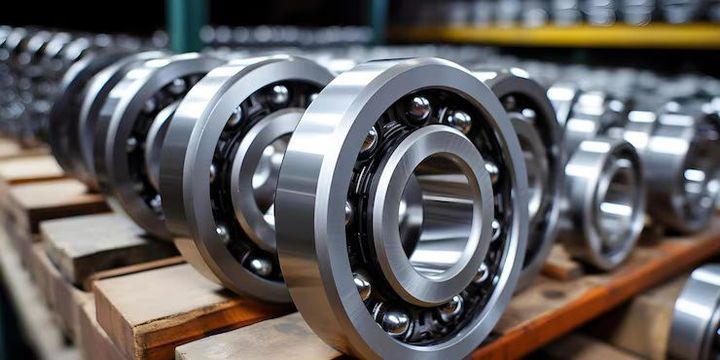
Bearings come in different types depending on their function, including ball bearings, roller bearings, thrust bearings, and plain bearings. Each type is designed for specific load conditions, speeds, and environmental factors.
Common Types of Industrial Bearings
| Bearing Type | Key Function | Typical Use Case |
|---|---|---|
| Ball Bearings | Handles radial and light axial loads | Motors, fans, conveyors |
| Roller Bearings | Supports heavy radial loads | Industrial machinery |
| Thrust Bearings | Handles axial loads | Gear systems, turbines |
| Plain Bearings | Low-speed, high-load support | Construction equipment |
Importance: Why Industrial Bearings Matter Today
Industrial bearings play a critical role in modern industries, including manufacturing, automotive, aerospace, energy, and construction. Their importance has grown with the demand for efficient, high-performance machinery.
Stakeholders Affected
- Engineers and designers rely on bearings for system performance.
- Manufacturers depend on them for productivity.
- Maintenance teams use them to ensure operational continuity.
Key Problems Solved by Bearings
- Reduction of friction and energy loss
- Improved machine efficiency
- Decreased maintenance requirements
- Enhanced safety and reliability
In industries where downtime can lead to significant losses, bearings help maintain consistent operations and reduce unexpected failures.
Performance Impact Overview
| Factor | Impact of Bearings |
|---|---|
| Friction Reduction | Improves energy efficiency |
| Load Support | Enables heavy-duty operations |
| Durability | Extends equipment lifespan |
| Precision | Ensures accurate motion control |
Recent Updates: Trends and Developments (2025–2026)
Industrial bearings have seen several advancements in the past year, driven by automation, sustainability, and digital transformation.
Key Trends
- Smart Bearings with IoT Integration (2025): Equipped with sensors to monitor temperature, vibration, and load in real time, helping predict failures.
- Advanced Materials: Use of ceramic and hybrid composites for higher heat, corrosion, and wear resistance.
- Lubrication-Free or Low-Maintenance Designs: Reduces the need for frequent maintenance.
- Renewable Energy Applications: Growth in bearings for wind turbines and other sustainable energy equipment.
- Sustainability Focus: Energy-efficient and recyclable designs reduce environmental impact.
Laws and Policies: Regulations Affecting Industrial Bearings
Industrial bearings are subject to standards and regulations to ensure safety, quality, and environmental compliance.
Key Regulatory Influences
- Quality Standards: Ensure consistent manufacturing and testing of bearings.
- Environmental Guidelines: Encourage sustainable materials and energy-efficient designs.
- Safety Requirements: Maintain machinery safety for industrial operations.
- Energy Efficiency Policies: Promote bearings that reduce friction and energy consumption.
In India, the Bureau of Indian Standards (BIS) defines specifications for bearing quality and performance. Globally, ISO standards guide the manufacturing and testing of bearings to maintain consistency.
Tools and Resources for Industrial Bearings
Several tools and resources help engineers, technicians, and learners understand and work with industrial bearings effectively.
Useful Tools
- Bearing selection calculators for load and speed optimization
- Lubrication management tools
- Vibration analysis software for predictive maintenance
- Technical datasheets and manufacturer catalogs
Helpful Online Resources
- Engineering reference websites for design guidelines
- Educational platforms offering mechanical engineering courses
- Industry reports on bearing trends and innovations
- Maintenance checklists and inspection templates
Example Bearing Selection Factors
| Parameter | Description |
|---|---|
| Load Type | Radial, axial, or combined |
| Speed | Rotational speed requirements |
| Environment | Temperature, dust, moisture |
| Material | Steel, ceramic, hybrid |
Frequently Asked Questions
What are industrial bearings used for?
Industrial bearings reduce friction and support loads in machines, enabling smooth motion in rotating or moving parts across various industries.
How do bearings reduce friction?
Bearings use rolling elements like balls or rollers to separate moving surfaces, minimizing direct contact and reducing resistance.
What factors affect bearing lifespan?
Load conditions, lubrication, operating environment, alignment, and maintenance practices all influence bearing life.
What is the difference between ball and roller bearings?
Ball bearings are suitable for lighter loads and higher speeds, while roller bearings handle heavier loads but typically operate at lower speeds.
Why is lubrication important in bearings?
Lubrication reduces friction, prevents wear, dissipates heat, and protects against corrosion, ensuring longer bearing life.
Conclusion
Industrial bearings are essential components that support the smooth and efficient operation of machinery across multiple sectors. They reduce friction, improve performance, and extend the lifespan of equipment, making them indispensable in modern industry.
With advancements such as smart bearings, improved materials, and sustainable designs, the role of bearings continues to evolve. Regulations and standards ensure reliability and safety, while tools and resources help professionals optimize their use.
Understanding industrial bearings—from their basic function to advanced trends—provides valuable knowledge for anyone involved in engineering, manufacturing, or industrial operations.