Industrial Construction Material Information: Essential Facts and Modern Applications
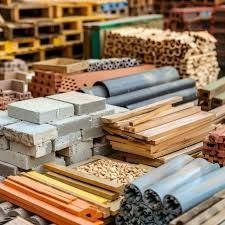
Industrial construction material refers to the wide range of materials used in factories, warehouses, processing facilities, logistics centers, power plants, and other large-scale infrastructure projects.
These materials are selected to support structural strength, durability, safety, and long-term performance under demanding conditions.
The history of industrial building materials is closely connected to the development of modern industry. As manufacturing and transportation networks expanded, construction methods evolved to accommodate larger buildings, heavier equipment, and more complex operations. Materials such as steel, concrete, masonry, insulation systems, and specialized flooring became important components of industrial facilities.
Today, industrial construction material includes both traditional and advanced products. Structural steel construction materials provide strong frameworks for large buildings, while precast concrete materials allow sections of structures to be manufactured off-site and assembled efficiently. Industrial insulation materials help regulate temperature and improve energy performance. New technologies have also introduced smart construction materials that can respond to environmental conditions or provide additional monitoring capabilities.
Commercial construction materials often overlap with industrial applications. Many office complexes, retail centers, distribution hubs, and mixed-use developments use similar construction systems designed for safety, efficiency, and long-term reliability.
Major Categories of Industrial Construction Materials
Industrial projects commonly rely on several material categories:
- Structural materials such as steel beams, columns, and reinforced concrete.
- Exterior materials including metal panels, masonry products, and roofing systems.
- Industrial flooring materials designed to withstand heavy loads and frequent traffic.
- Industrial insulation materials used for thermal and acoustic control.
- Mechanical and utility materials that support plumbing, electrical, and ventilation systems.
- Sustainable construction materials developed to reduce environmental impact.
Common Material Characteristics
Industrial construction projects typically require materials with specific properties:
| Material Type | Common Purpose | Key Characteristics |
|---|---|---|
| Structural Steel | Building framework | High strength, durability |
| Precast Concrete | Walls, floors, panels | Consistency, fast assembly |
| Industrial Insulation | Temperature control | Energy efficiency |
| Industrial Flooring | Operational surfaces | Wear resistance |
| Masonry Products | Exterior and interior walls | Fire resistance |
| Composite Materials | Specialized applications | Lightweight strength |
Importance
Industrial construction materials influence how buildings perform throughout their lifespan. Material selection affects structural stability, energy efficiency, maintenance requirements, and environmental performance.
Supporting Safety and Durability
Factories, warehouses, and production facilities often contain heavy machinery and equipment. Heavy construction materials are used to support significant loads and maintain structural integrity under demanding operating conditions.
Structural steel construction materials are frequently used because they provide strength while allowing large open interior spaces. These designs can accommodate manufacturing equipment, storage systems, and transportation operations.
Improving Energy Performance
Energy consumption remains an important consideration in industrial facilities. Industrial insulation materials help maintain indoor temperatures by reducing heat transfer through walls, roofs, and equipment systems.
Proper insulation can contribute to more stable operating environments while supporting energy management objectives. This is particularly important in facilities that require controlled temperatures for manufacturing or storage activities.
Supporting Infrastructure Growth
Industrial development plays a role in transportation, logistics, manufacturing, and public infrastructure. Commercial construction materials and industrial building materials contribute to the creation of facilities that support economic activity and community development.
Construction material manufacturers continuously develop products that address changing performance requirements, environmental standards, and construction methods.
Environmental Considerations
Sustainable construction materials have become increasingly important as organizations seek to reduce resource consumption and environmental impacts. Examples include recycled steel, low-carbon concrete mixtures, responsibly sourced wood products, and materials designed for reuse or recycling.
These materials help support broader sustainability goals while maintaining structural and operational performance.
Recent Updates
Growth of Sustainable Construction Materials
One of the most noticeable trends between 2024 and 2026 has been the growing focus on sustainable construction materials. Many projects now consider environmental factors alongside traditional performance requirements.
Common developments include:
- Increased use of recycled materials.
- Alternative cement formulations with reduced emissions.
- Expanded use of renewable building resources.
- Improved material recovery and recycling practices.
Expansion of Smart Construction Materials
Smart construction materials continue to gain attention across industrial and commercial projects. These materials may include sensors, monitoring systems, or adaptive properties that provide information about structural conditions.
Examples include:
- Concrete systems that monitor cracking or stress.
- Smart coatings that detect corrosion.
- Materials integrated with building management technologies.
- Sensors embedded within structural components.
These developments support improved monitoring and maintenance planning throughout a building's lifecycle.
Advances in Precast Concrete Materials
Precast concrete materials continue to evolve through improved manufacturing techniques and digital design tools. Modern precast systems often provide greater precision and consistency compared to traditional on-site concrete construction.
Industrial projects frequently use precast wall panels, floor systems, and structural elements to streamline construction processes and improve quality control.
Enhanced Industrial Flooring Materials
Industrial flooring materials have also seen continued development. New formulations focus on durability, chemical resistance, impact resistance, and maintenance efficiency.
Common flooring solutions include:
- Epoxy-based systems.
- Polyurethane flooring.
- Reinforced concrete floors.
- Resin-based industrial surfaces.
These materials help accommodate diverse industrial activities and operating environments.
Laws or Policies
Construction materials are influenced by building regulations, safety standards, and environmental policies. Although specific requirements vary by country and region, several common regulatory areas affect industrial construction.
Building Codes
National and local building codes establish minimum standards for structural performance, fire protection, accessibility, and occupant safety.
Industrial building materials must generally comply with requirements related to:
- Structural strength.
- Fire resistance.
- Load-bearing capacity.
- Weather resistance.
- Emergency safety provisions.
Environmental Regulations
Many governments have introduced environmental policies that influence material selection and construction practices. These regulations may address:
- Energy efficiency requirements.
- Carbon emission reduction targets.
- Waste management practices.
- Recycling and resource conservation.
As a result, sustainable construction materials are becoming more common in new industrial developments.
Product Standards and Certifications
Construction material manufacturers often produce materials according to recognized industry standards and testing procedures. Certifications help verify that products meet established performance and safety criteria.
Examples may include standards for:
- Structural steel quality.
- Concrete performance.
- Insulation effectiveness.
- Flooring durability.
- Environmental impact reporting.
Workplace Safety Requirements
Industrial facilities must also comply with workplace safety regulations. Material selection can influence fire protection, structural reliability, indoor environmental quality, and emergency preparedness.
These considerations affect both construction planning and long-term facility operation.
Tools and Resources
Various tools and resources help professionals, researchers, and property owners understand construction materials and building performance.
Digital Design Platforms
Building Information Modeling (BIM) software allows project teams to create digital building models and evaluate material performance before construction begins.
Common functions include:
- Material quantity estimation.
- Structural analysis.
- Clash detection.
- Lifecycle planning.
Construction Material Databases
Online databases provide technical information about commercial construction materials and industrial construction material products. These resources often include:
- Material specifications.
- Performance data.
- Environmental information.
- Compliance documentation.
Energy and Insulation Calculators
Energy assessment tools help evaluate the effectiveness of industrial insulation materials and building envelope systems. These calculators estimate thermal performance and potential energy impacts.
Government and Industry Resources
Government agencies, engineering organizations, and industry associations publish guidance documents covering:
- Building regulations.
- Sustainability frameworks.
- Material standards.
- Safety requirements.
- Construction practices.
Lifecycle Assessment Tools
Lifecycle assessment platforms help evaluate the environmental impact of materials throughout production, use, and end-of-life stages. These tools are increasingly used when comparing sustainable construction materials.
FAQs
What is industrial construction material?
Industrial construction material refers to products used in factories, warehouses, processing facilities, logistics centers, and other industrial structures. Examples include steel, concrete, insulation systems, flooring products, and structural components.
How are commercial construction materials different from industrial building materials?
Commercial construction materials are commonly used in offices, retail buildings, and mixed-use developments, while industrial building materials are often designed to support heavier loads, specialized equipment, and demanding operating environments. Some materials are used in both sectors.
What are common examples of structural steel construction materials?
Structural steel construction materials include beams, columns, trusses, steel decking, and reinforced framing systems. These components form the primary structural framework of many industrial facilities.
Why are precast concrete materials used in industrial projects?
Precast concrete materials are manufactured in controlled environments and then transported to construction sites for installation. They are commonly used for wall panels, floor systems, and structural elements because of their consistency and durability.
What are smart construction materials?
Smart construction materials are advanced building products that can monitor conditions, respond to environmental changes, or provide data about structural performance. Examples include sensor-equipped concrete, intelligent coatings, and monitoring-enabled structural components.
Conclusion
Industrial construction material plays a significant role in the development of factories, warehouses, infrastructure projects, and commercial facilities. Materials such as structural steel construction materials, precast concrete materials, industrial insulation materials, and industrial flooring materials support safety, durability, and operational performance. Current trends include growing interest in sustainable construction materials and the continued development of smart construction materials. Building regulations, environmental policies, and evolving technology continue to shape how construction material manufacturers and construction material distributors support modern construction projects.