Industrial Equipment Design Tools: Key Insights for Modern Manufacturing Design
Industrial equipment design tools are digital technologies and engineering platforms used to create, analyze, and optimize machinery used in manufacturing environments. These tools assist engineers and designers in planning equipment structures, mechanical systems, and production processes before physical manufacturing begins.
Modern manufacturing relies heavily on digital modeling and simulation to reduce errors and improve design accuracy. Industrial equipment design tools allow engineers to visualize machines, production lines, and components in virtual environments.
Many industries use these tools to develop complex equipment that supports automated and large-scale production systems. These technologies have become essential as manufacturing systems grow more advanced and interconnected.
Common Applications
Industries use design tools to create a wide range of equipment, including:
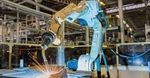
- Robotic manufacturing systems
- CNC machines and automated production lines
- Packaging and processing equipment
- Heavy industrial machinery
- Electronics manufacturing systems
Traditional drafting methods lacked the ability to simulate real-world performance. Digital platforms now allow engineers to test materials, dimensions, and operational behavior before building physical prototypes.
Core Design Technologies
Several key systems are widely used in industrial equipment development:
- Computer-Aided Design (CAD)
- Computer-Aided Engineering (CAE)
- Product Lifecycle Management (PLM)
These tools help manage engineering data, improve collaboration, and support innovation across manufacturing processes.
Why Industrial Equipment Design Tools Matter Today
Industrial equipment design tools play a critical role in modern manufacturing. Industries are increasingly focused on automation, efficiency, and product reliability, making accurate design systems essential.
Sectors benefiting from these tools include:
- Automotive production
- Aerospace engineering
- Electronics manufacturing
- Energy equipment development
- Pharmaceutical manufacturing
Key Challenges Addressed
These tools help solve several major manufacturing challenges:
- Design complexity: Modern machines combine sensors, motors, and control systems that must work together seamlessly.
- Production efficiency: Simulations help identify workflow issues and optimize performance.
- Safety analysis: Engineers can test stress, load, and thermal conditions before production.
Role of Design Tools Across Development Stages
| Design Stage | Role of Design Tools |
|---|---|
| Concept Design | Visualizing machinery concepts |
| Engineering Analysis | Testing stress, motion, and thermal behavior |
| Prototype Development | Creating accurate 3D models |
| Production Planning | Simulating assembly and workflow |
These capabilities help reduce errors and improve overall equipment reliability.
Recent Updates in Industrial Equipment Design Technology
The past year has seen significant advancements in industrial design technologies. Digital transformation continues to shape how engineers design and test equipment.
Cloud-based platforms have become more common, enabling teams in different locations to collaborate efficiently on complex projects. Artificial intelligence is also playing a growing role in design optimization.
Emerging Trends
Key developments include:
- AI-assisted design optimization
- Digital twin technology for real-time simulation
- Generative design algorithms
- Advanced 3D simulation tools
- Augmented reality (AR) for visualization
- Cloud-based collaboration platforms
Digital twins, in particular, allow engineers to create virtual replicas of machines. These models can simulate real-world performance and improve design accuracy using real-time data.
Governments and industries are also promoting Industry 4.0 initiatives, encouraging the integration of automation, IoT, and digital engineering systems.
Laws and Policies Affecting Industrial Equipment Design
Industrial equipment design is governed by safety, quality, and environmental regulations. These rules ensure machinery operates safely and meets required standards.
Key Standards
| Standard | Focus Area |
|---|---|
| ISO 12100 | Safety of machinery design principles |
| ISO 9001 | Quality management systems |
| IEC Standards | Electrical equipment safety |
| OSHA Regulations | Workplace safety requirements |
Safety Requirements
Designers must consider several safety features, including:
- Emergency stop systems
- Machine guarding mechanisms
- Electrical safety measures
- Noise and vibration limits
Environmental regulations also influence equipment design, especially regarding energy efficiency and emissions.
Government initiatives promoting advanced manufacturing and Industry 4.0 are encouraging the adoption of digital engineering technologies while maintaining compliance with safety and environmental standards.
Tools and Resources for Industrial Equipment Design
A wide range of digital tools supports industrial equipment design. These platforms help engineers create models, simulate performance, and manage engineering data.
Computer-Aided Design (CAD) Software
CAD software enables the creation of detailed 3D models of machinery.
Key features include:
- Mechanical part modeling
- Assembly design
- Dimensioning and tolerancing
- Structural visualization
Engineering Simulation Platforms
Simulation tools analyze how machines perform under operational conditions.
They can simulate:
- Mechanical stress
- Motion and kinematics
- Heat distribution
- Fluid dynamics
Product Lifecycle Management (PLM) Systems
PLM systems manage engineering data throughout the lifecycle of equipment.
Benefits include:
- Version control
- Team collaboration
- Documentation management
Overview of Design Tool Categories
| Tool Category | Main Function |
|---|---|
| CAD Software | Mechanical design and 3D modeling |
| CAE Software | Engineering simulation and analysis |
| CAM Software | Manufacturing process planning |
| PLM Platforms | Data and lifecycle management |
Engineers also use digital prototyping tools to test machinery in simulated environments. This approach improves efficiency and supports better decision-making before production begins.
Frequently Asked Questions
What are industrial equipment design tools used for?
Industrial equipment design tools help engineers create digital models of machines and systems. They support visualization, analysis, and production planning.
What is the difference between CAD and CAE software?
CAD software focuses on creating designs and models, while CAE software performs engineering analysis such as stress testing and simulation.
Why is simulation important in equipment design?
Simulation allows engineers to evaluate performance before manufacturing. This reduces risks and improves reliability.
What industries rely on these tools?
Industries such as automotive, aerospace, electronics, and energy rely heavily on industrial design tools.
How do digital twins improve design?
Digital twins create virtual models of machines that simulate real-world conditions. This helps engineers analyze performance and optimize designs.
Conclusion
Industrial equipment design tools are essential in modern manufacturing. They enable engineers to design complex machinery, simulate performance, and improve production efficiency before physical manufacturing begins.
Advancements in AI, cloud computing, and digital twin technology continue to expand the capabilities of these tools. These innovations support faster development and more reliable equipment design.
Regulations and global standards ensure safety and quality, while Industry 4.0 initiatives promote digital transformation. As manufacturing evolves, these tools will remain critical for innovation and efficient production development.