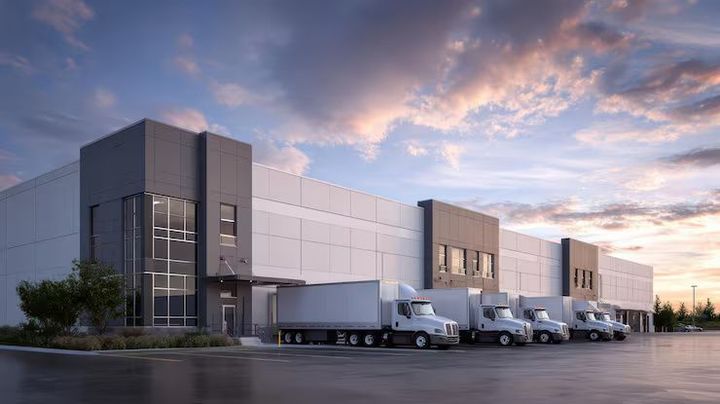
Industrial Logistics Parks Guide for Modern Supply Chain Infrastructure
Industrial logistics parks are specially planned areas designed to support transportation, warehousing, manufacturing, and distribution activities. These parks usually include large warehouses, cargo handling facilities, road and rail connectivity, storage units, and smart logistics systems. They are often located near ports, highways, airports, or industrial corridors to improve movement of goods.
The growth of e-commerce, global trade, and digital supply chains has increased the importance of logistics parks in many countries. Businesses today require faster transportation, organized inventory systems, and efficient delivery networks. Industrial logistics parks help solve these challenges by bringing logistics operations into one connected environment.
Modern logistics parks may include:
- Automated warehouses
- Cold storage facilities
- Truck terminals
- Container yards
- Data-driven inventory systems
- Renewable energy infrastructure
- Smart security and surveillance systems
These developments support industries such as manufacturing, retail, automotive, pharmaceuticals, agriculture, and electronics.
Why Industrial Logistics Parks Matter Today
Industrial logistics parks play a major role in economic development and supply chain efficiency. As international trade and online shopping continue to expand, countries are investing heavily in transportation infrastructure and logistics hubs.
Efficient logistics parks help reduce delivery delays, improve inventory management, and support smoother movement of goods between cities and countries. They also contribute to regional development by improving industrial connectivity.
Key Benefits of Industrial Logistics Parks
| Benefit | Explanation |
|---|---|
| Faster Distribution | Goods move more efficiently between suppliers and consumers |
| Better Infrastructure | Integrated roads, railways, and warehouses improve operations |
| Supply Chain Efficiency | Centralized logistics reduce delays and congestion |
| Technology Integration | Smart systems improve inventory tracking and automation |
| Sustainability Support | Modern parks increasingly use renewable energy and green buildings |
Industrial logistics parks also support disaster recovery planning and supply chain resilience. During global disruptions, businesses with access to organized logistics hubs can maintain more stable operations.
The rise of electric vehicles and smart transportation systems is also influencing logistics infrastructure planning. Many logistics parks now include EV charging facilities and intelligent fleet management systems.
Recent Updates and Industry Trends
The industrial logistics sector has seen major changes during 2025 due to advances in automation, digital tracking, and international trade strategies.
Smart Warehousing Expansion
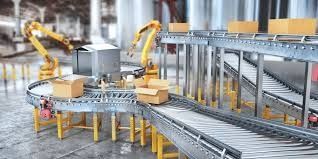
In 2025, several logistics operators increased investments in artificial intelligence and robotics. Automated storage systems and robotic sorting technology are becoming more common in large distribution hubs.
Growth of Green Logistics
Governments and private developers are focusing on sustainable logistics infrastructure. New industrial logistics parks increasingly include:
- Solar energy systems
- Energy-efficient warehouse lighting
- Rainwater harvesting
- Electric truck charging stations
- Smart climate control systems
Rise of Regional Supply Chains
Recent global supply chain disruptions encouraged many companies to diversify manufacturing and storage locations. This has increased demand for regional logistics hubs closer to consumers.
Infrastructure Development Programs
Countries such as India, the United States, Germany, and the United Arab Emirates announced infrastructure corridor projects during 2024 and 2025 to improve freight transportation efficiency.
Increased Demand for Cold Chain Facilities
Pharmaceuticals and food industries continue expanding temperature-controlled logistics facilities. Cold storage zones are becoming a key feature in industrial logistics parks.
Laws and Government Policies
Industrial logistics parks are influenced by transportation laws, land regulations, environmental standards, and infrastructure policies.
Infrastructure and Industrial Corridor Programs
Many governments support logistics development through industrial corridor projects and freight modernization programs. These programs aim to improve:
- Highway connectivity
- Rail freight systems
- Port accessibility
- Export-import efficiency
In India, logistics infrastructure development has been linked with national industrial corridor initiatives and multimodal transportation planning.
Environmental Regulations
Environmental laws affect warehouse construction, energy usage, emissions, and waste management within logistics parks. Developers often must follow green building guidelines and environmental clearance procedures.
Zoning and Land Use Policies
Industrial logistics parks usually operate under special industrial zoning regulations. These rules define warehouse operations, transportation access, and safety standards.
Customs and Trade Regulations
Logistics parks connected to international trade routes may include customs processing zones and bonded warehouse systems. These areas help improve import and export procedures.
Data and Security Compliance
As logistics parks increasingly use digital systems and IoT devices, cybersecurity and data protection regulations have become more important.
Tools and Resources for Industrial Logistics Planning
Technology is transforming industrial logistics operations. Several digital tools help organizations improve transportation planning, warehouse management, and inventory visibility.
Warehouse Management Systems
Warehouse management platforms help businesses track inventory, automate storage systems, and improve order accuracy.
Common functions include:
- Barcode scanning
- Inventory monitoring
- Shipment tracking
- Demand forecasting
Transportation Management Platforms
Transportation systems improve route planning and delivery coordination. These platforms support fuel efficiency and real-time tracking.
Supply Chain Analytics Tools
Analytics dashboards provide insights into inventory trends, shipping performance, and logistics efficiency.
Geographic Information Systems
GIS mapping tools help planners identify suitable locations for logistics parks based on transportation access and industrial activity.
Sustainability Monitoring Tools
Environmental monitoring systems help logistics parks measure energy consumption, emissions, and operational efficiency.
Helpful online resources include:
- Government infrastructure portals
- Trade and logistics research websites
- Industrial corridor planning documents
- Smart warehouse technology platforms
- Freight transportation databases
Technology Trends Shaping Logistics Parks
Technology is changing how logistics parks operate and manage supply chains. Smart infrastructure is improving efficiency while reducing operational delays.
Automation and Robotics
Automated guided vehicles and robotic sorting systems are increasingly used in warehouses to reduce manual handling and improve productivity.
Internet of Things (IoT)
IoT sensors help track goods, monitor temperature conditions, and improve equipment maintenance.
Artificial Intelligence
AI-powered forecasting systems analyze demand patterns and optimize warehouse operations.
Digital Twin Technology
Some logistics parks now use digital twin simulations to test transportation flows and infrastructure performance before construction.
Blockchain in Logistics
Blockchain systems are being explored for secure freight documentation and transparent supply chain tracking.
Challenges Facing Industrial Logistics Parks
Despite their advantages, industrial logistics parks also face several operational and infrastructure challenges.
Urban Congestion
Large transportation hubs can increase traffic congestion near industrial regions.
High Energy Consumption
Warehouses and cold storage facilities require significant electricity usage.
Land Availability Issues
Rapid urban expansion sometimes limits space for future logistics development.
Workforce Skill Gaps
Advanced logistics technologies require trained professionals in automation, analytics, and warehouse systems.
Climate Risks
Flooding, extreme weather, and heat conditions can affect logistics operations and transportation networks.
Frequently Asked Questions
What is an industrial logistics park?
An industrial logistics park is a planned area designed for warehousing, transportation, distribution, and supply chain operations. It combines logistics infrastructure into one connected location.
Why are logistics parks important for supply chains?
They improve transportation efficiency, reduce delivery delays, support inventory management, and strengthen regional trade connectivity.
How do smart logistics parks use technology?
Smart logistics parks use automation, IoT sensors, AI systems, digital tracking, and warehouse management software to improve operations.
What industries use industrial logistics parks?
Industries such as retail, manufacturing, automotive, pharmaceuticals, agriculture, and e-commerce rely heavily on logistics infrastructure.
How do environmental regulations affect logistics parks?
Environmental policies influence energy usage, emissions control, waste management, and green building standards within logistics facilities.
Conclusion
Industrial logistics parks have become an essential part of modern trade and transportation systems. As supply chains become more connected and technology-driven, these logistics hubs continue evolving to support faster distribution, smarter inventory management, and sustainable infrastructure.
Recent developments in automation, artificial intelligence, and green logistics are reshaping how industrial logistics parks operate across the world. Governments and industries are also investing heavily in freight corridors and smart infrastructure projects to improve supply chain resilience.
Understanding logistics parks helps businesses, researchers, policymakers, and the general public better recognize the role of transportation infrastructure in global economic growth and industrial development.