Industrial Machine Components: A Complete Guide to Functions, Materials, and Applications
Industrial machine components are the individual parts that work together to make machines operate efficiently.
These parts are found in manufacturing plants, processing facilities, transportation systems, construction equipment, and many other industrial environments. Without these components, modern machinery would not be able to perform tasks such as cutting, lifting, packaging, assembling, or transporting materials.
The development of industrial machinery components has evolved alongside industrial progress. Early machines relied on simple mechanical parts, while modern systems use a combination of mechanical, electrical, hydraulic, pneumatic, and digital technologies. As industries continue to automate processes, the demand for reliable industrial machine components has grown across many sectors.
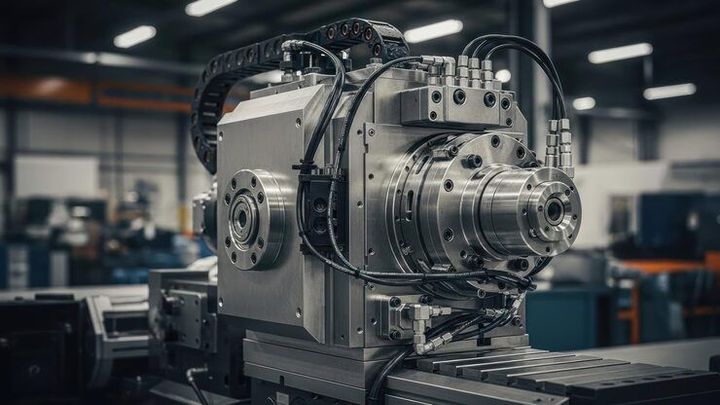
Today, machine component manufacturers produce a wide range of products designed for different operating conditions. These include gears, bearings, shafts, motors, sensors, couplings, valves, and many other industrial equipment components. Some applications require standard parts, while others depend on custom machine components designed for specialized machinery.
Understanding the functions, materials, and applications of these components helps businesses, engineers, students, and equipment operators better understand how industrial systems work.
Importance
Supporting Industrial Operations
Industrial machine components form the foundation of manufacturing and production systems. Every machine relies on multiple interconnected parts to perform its intended function. If one component fails, the overall machine performance may be affected.
Improving Efficiency
Properly designed precision machine components help machines operate smoothly and accurately. Components such as bearings, gears, and linear guides reduce friction and support precise movement, which contributes to efficient operation.
Enabling Automation
Modern industries increasingly use industrial automation components to reduce manual intervention. Sensors, controllers, actuators, and communication modules allow machines to perform tasks automatically while maintaining consistent performance.
Extending Equipment Lifespan
Regular maintenance and replacement of industrial machine spare parts help machinery continue operating for longer periods. Spare parts are often used to replace worn or damaged components before larger mechanical issues develop.
Supporting Multiple Industries
Industrial machinery components are used in various sectors, including:
- Manufacturing and assembly
- Food and beverage processing
- Automotive production
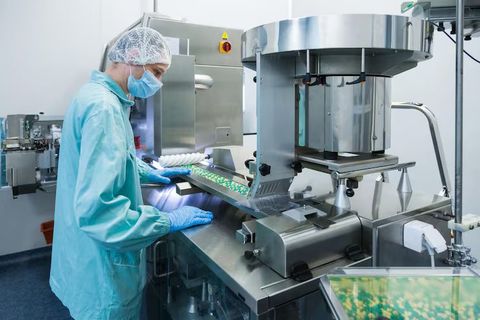
- Pharmaceutical manufacturing
- Construction equipment
- Mining operations
- Energy generation
- Packaging and logistics
Recent Updates
Increased Use of Smart Components
Recent industrial trends show growing integration of smart technologies into machinery. Sensors and monitoring devices are increasingly embedded into industrial equipment components to collect operational data and support predictive maintenance.
Growth of CNC Manufacturing
The production of CNC machine components continues to expand as industries seek greater precision and repeatability. Computer-controlled machining processes allow manufacturers to produce complex parts with high accuracy.
Greater Customization
Many industries now require custom machine components tailored to specific production requirements. This trend is driven by specialized manufacturing processes and unique operational environments.
Advanced Material Development
New materials are being introduced to improve durability, corrosion resistance, and performance. Composite materials, advanced alloys, and engineered polymers are increasingly used in demanding industrial applications.
Focus on Energy Efficiency
Industrial machinery designs increasingly prioritize energy efficiency. Components such as motors, drives, and transmission systems are being optimized to reduce energy consumption while maintaining operational performance.
Laws or Policies
Safety Standards
Industrial machinery is often subject to safety regulations that require components to meet specific performance and reliability requirements. These standards help reduce workplace risks and improve operational safety.
Quality Certification Requirements
Many machine component manufacturers follow internationally recognized quality management systems. Certifications help ensure consistent manufacturing processes and product quality.
Environmental Regulations
Environmental policies influence the materials and manufacturing methods used for industrial machinery components. Regulations may address waste management, emissions, recycling, and material handling practices.
Machinery Compliance Programs
Various countries require industrial equipment to comply with machinery safety regulations before use. Compliance assessments may examine component design, safety features, and operating procedures.
Worker Protection Requirements
Occupational safety regulations often require protective systems, emergency stop mechanisms, guards, and other industrial automation components that contribute to safer machine operation.
Functions and Types of Industrial Machine Components
Mechanical Components
Mechanical parts provide movement, support, and power transmission within machines.
Common examples include:
- Gears
- Bearings
- Shafts
- Pulleys
- Chains
- Sprockets
- Couplings
These components transfer energy between different machine sections and help maintain smooth operation.
Electrical Components
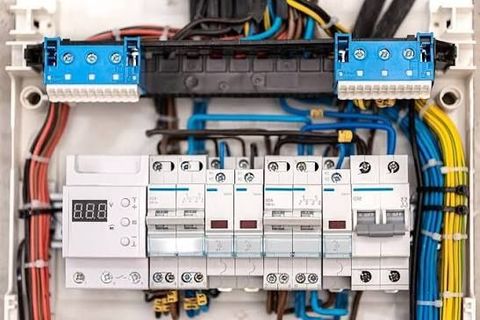
Electrical components control power distribution and machine functions.
Examples include:
- Electric motors
- Switches
- Relays
- Circuit breakers
- Power supplies
These parts enable machinery to perform automated and controlled operations.
Hydraulic Components
Hydraulic systems use fluid pressure to generate force and motion.
Examples include:
- Hydraulic cylinders
- Pumps
- Valves
- Reservoirs
Hydraulic components are commonly used in heavy machinery and industrial equipment.
Pneumatic Components
Pneumatic systems use compressed air to create movement and control functions.
Common components include:
- Air cylinders
- Compressors
- Air regulators
- Pneumatic valves
These systems are frequently used in automated manufacturing environments.
Automation Components
Industrial automation components enable machine monitoring and control.
Examples include:
- Sensors
- Programmable controllers
- Actuators
- Human-machine interfaces
- Communication modules
These technologies support modern automated production systems.
Materials Used in Industrial Machine Components
The choice of material depends on factors such as strength, temperature, corrosion resistance, and operating conditions.
| Material | Common Applications | Key Characteristics |
|---|---|---|
| Carbon Steel | Shafts, gears, frames | Strong and durable |
| Stainless Steel | Food processing equipment | Corrosion resistant |
| Aluminum | Lightweight machine structures | Low weight and good strength |
| Brass | Valves and fittings | Corrosion resistance |
| Cast Iron | Machine bases | Stability and vibration absorption |
| Engineering Plastics | Bushings and guides | Lightweight and wear resistant |
| Composite Materials | Specialized applications | High strength-to-weight ratio |
Manufacturers often select materials based on the specific environment where the machine will operate.
Applications of Industrial Machinery Components
Manufacturing Facilities
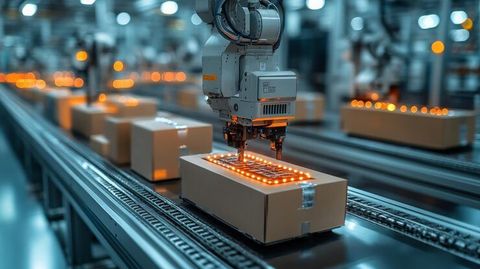
Factories use industrial machine components in assembly lines, robotic systems, conveyors, and processing equipment.
Automotive Production
Vehicle manufacturing relies on precision machine components for assembly equipment, welding systems, and automated production machinery.
Food Processing
Food production equipment uses specialized components designed for hygiene, corrosion resistance, and reliable operation.
Energy Sector
Power generation facilities use industrial machinery components in turbines, pumps, compressors, and control systems.
Construction Equipment
Heavy equipment such as excavators, loaders, and cranes depend on hydraulic, mechanical, and electrical components.
Packaging Operations
Packaging machinery uses sensors, motors, belts, and pneumatic systems to handle products efficiently.
Tools and Resources
Several resources can help individuals understand and manage industrial machine components.
Computer-Aided Design Software
CAD platforms allow engineers and designers to create detailed component models and technical drawings.
CNC Programming Resources
Educational platforms and simulation tools help users understand CNC machine components and machining processes.
Maintenance Management Platforms
Maintenance software helps organizations track inspections, replacement schedules, and industrial machine spare parts inventory.
Technical Documentation Libraries
Equipment manuals, engineering databases, and manufacturer documentation provide valuable information about industrial equipment components and maintenance requirements.
FAQs
What are industrial machine components?
Industrial machine components are the individual parts that make up industrial machinery. Examples include gears, bearings, motors, sensors, valves, shafts, and control systems.
What is the difference between industrial machine components and industrial machine spare parts?
Industrial machine components refer to the parts used within a machine. Industrial machine spare parts are replacement components kept available for maintenance or repair purposes.
Why are precision machine components important?
Precision machine components are manufactured to tight tolerances, allowing machinery to operate accurately, consistently, and efficiently in demanding applications.
What are CNC machine components used for?
CNC machine components are used in computer-controlled manufacturing equipment. They help produce parts with high levels of accuracy and repeatability.
How do industrial automation components improve machinery?
Industrial automation components such as sensors, controllers, and actuators help machines perform tasks automatically, monitor performance, and support efficient production processes.
Conclusion
Industrial machine components play an essential role in modern industrial operations. They support mechanical movement, power transmission, automation, and machine control across many sectors. Advances in materials, manufacturing methods, and automation technologies continue to influence how industrial machinery components are designed and used. Understanding their functions, materials, and applications provides valuable insight into the systems that support modern industry.