Industrial Paper Cup Making Machine for Modern Manufacturing
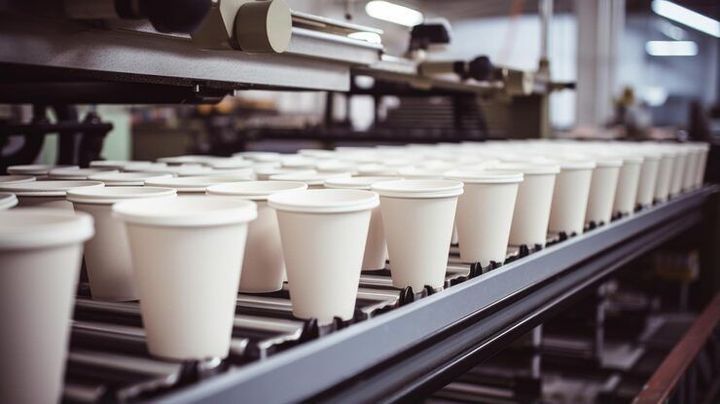
Industrial paper cup making machines are specialized manufacturing systems designed to produce disposable paper cups in large quantities. These machines automate multiple production processes, including paper feeding, side sealing, bottom punching, heating, forming, curling, and final collection. Automation helps improve production speed while maintaining consistent quality.
The increasing demand for disposable beverage containers has encouraged manufacturers to adopt advanced paper cup production technology. Restaurants, cafes, educational institutions, hospitals, offices, transportation services, and food packaging industries rely on paper cups for serving hot and cold beverages. As a result, paper cup manufacturing has become an important segment of the packaging industry.
Modern industrial paper cup making machines use programmable controls, automated sensors, and precision forming systems that reduce production errors while improving operational efficiency. These systems are designed to support continuous production with minimal material waste.
The growing awareness of sustainable packaging has also influenced machine design. Manufacturers now focus on improving energy efficiency, reducing raw material consumption, and supporting recyclable paper materials.
Why Industrial Paper Cup Manufacturing Matters Today
Paper cup manufacturing has become increasingly important because consumers, businesses, and governments are encouraging alternatives to certain single-use plastic products. This transition has increased demand for disposable paper-based beverage containers across multiple industries.
The importance of industrial paper cup making machines includes:
- High-volume production capability
- Consistent product quality
- Improved manufacturing efficiency
- Reduced manual labor requirements
- Better material utilization
- Faster production cycles
- Support for sustainable packaging initiatives
The machines benefit numerous sectors including:
| Industry | Common Usage |
|---|---|
| Food & Beverage | Tea, coffee, juice, and soft drinks |
| Healthcare | Disposable drinking cups |
| Hospitality | Beverage serving |
| Educational Institutions | Cafeterias and events |
| Corporate Offices | Pantry and vending areas |
| Transportation | Railway stations, airports, and buses |
| Events | Conferences and public gatherings |
Modern production systems also improve workplace safety through automated operations, reducing direct human involvement during repetitive manufacturing tasks.
Manufacturers increasingly adopt digital monitoring systems that help identify production issues quickly, reducing downtime and improving overall equipment performance.
Recent Updates in Paper Cup Manufacturing
The paper cup manufacturing industry has experienced several important developments over the past year.
Greater Focus on Sustainable Manufacturing
During 2025 and into 2026, manufacturers have increased the use of recyclable paper materials and improved production techniques that minimize manufacturing waste. Environmental awareness continues to encourage improvements in packaging technology.
Increased Production Automation
Modern machines now include advanced control systems capable of automatically monitoring production speed, temperature, paper feeding, and sealing accuracy. Automation improves consistency while reducing production interruptions.
Energy-Efficient Equipment
Many new industrial machines now consume less electricity compared to older models. Improved heating systems and optimized motor designs contribute to better energy efficiency.
Smart Monitoring Features
Digital displays, programmable controllers, and real-time production monitoring have become increasingly common. Operators can monitor production performance more accurately and detect maintenance requirements earlier.
Improved Quality Control
Machine manufacturers have introduced enhanced inspection systems capable of identifying defects during production. Better quality control reduces rejected products and supports more consistent manufacturing output.
The following chart illustrates the major industry trends observed during the past year.
| Manufacturing Trend | Industry Focus |
|---|---|
| Automation | Very High |
| Energy Efficiency | High |
| Digital Monitoring | High |
| Waste Reduction | Very High |
| Sustainable Materials | Very High |
| Quality Control | High |
These developments reflect the industry's continued movement toward smarter and more environmentally responsible manufacturing.
Laws and Policies Affecting Paper Cup Manufacturing
Industrial paper cup manufacturing operates within various regulatory frameworks that promote product safety, environmental responsibility, and manufacturing standards.
Environmental regulations increasingly encourage businesses to reduce dependence on certain plastic products while promoting recyclable alternatives. Manufacturers are expected to follow environmental guidelines related to waste management and resource conservation.
Factories typically follow industrial safety regulations that cover machinery operation, worker protection, electrical systems, and workplace safety practices. Compliance helps maintain safe manufacturing environments.
Quality standards are also important for paper cups intended for food and beverage use. Manufacturers generally use food-grade materials that comply with national packaging requirements for consumer safety.
Environmental compliance may include:
- Proper waste disposal practices
- Responsible paper material sourcing
- Pollution control measures
- Energy conservation initiatives
- Recycling support
Manufacturing facilities often maintain documentation related to production quality, safety inspections, equipment maintenance, and environmental compliance as required by applicable regulations.
As governments continue promoting environmentally responsible packaging, manufacturers are increasingly adapting production processes to align with updated sustainability objectives.
Tools and Resources for Paper Cup Manufacturing
Efficient manufacturing depends on a combination of production equipment, planning resources, maintenance practices, and quality management systems.
Common resources include:
- Production planning software
- Inventory management systems
- Machine maintenance schedules
- Quality inspection checklists
- Production reporting templates
- Equipment performance dashboards
- Material consumption calculators
- Energy monitoring tools
- Manufacturing efficiency trackers
- Preventive maintenance records
Useful learning resources may include:
- Manufacturing training manuals
- Industrial safety guides
- Packaging technology publications
- Process optimization templates
- Quality management documentation
- Environmental compliance guides
Using these resources helps manufacturers improve operational efficiency while maintaining consistent production quality.
Paper Cup Manufacturing Process Overview
Although machine designs differ, the manufacturing workflow generally follows similar production stages.
| Production Stage | Purpose |
|---|---|
| Paper Feeding | Supplies printed paper sheets |
| Side Sealing | Joins cup body edges |
| Bottom Punching | Creates cup base |
| Bottom Sealing | Attaches bottom paper |
| Cup Forming | Shapes the paper cup |
| Heating Process | Strengthens sealing |
| Rim Curling | Creates smooth drinking edge |
| Inspection | Checks product quality |
| Collection | Stacks finished cups |
Automation allows these processes to operate continuously, producing large quantities while maintaining consistent product dimensions.
Benefits of Modern Industrial Paper Cup Machines
Today's manufacturing equipment provides numerous operational advantages.
Key benefits include:
- Faster production speed
- Consistent cup dimensions
- Reduced production errors
- Lower material wastage
- Improved operational efficiency
- Better production monitoring
- Enhanced workplace safety
- Reduced maintenance downtime
- Greater production reliability
- Support for sustainable manufacturing
These advantages help manufacturers meet increasing demand while maintaining production quality and operational efficiency.
Frequently Asked Questions
What is an industrial paper cup making machine?
It is an automated manufacturing machine designed to produce disposable paper cups through multiple integrated production processes such as forming, sealing, heating, and finishing.
Which industries commonly use paper cup manufacturing machines?
Food and beverage businesses, healthcare facilities, educational institutions, hospitality organizations, transportation services, and event management industries commonly rely on paper cup production.
Why has paper cup manufacturing become more important?
Growing environmental awareness, increased demand for disposable beverage containers, and the shift toward sustainable packaging have contributed to the industry's continued growth.
What factors improve production efficiency?
Automation, regular maintenance, quality monitoring, proper operator training, energy-efficient equipment, and preventive maintenance all contribute to improved manufacturing performance.
How do manufacturers maintain product quality?
Quality is maintained through automated inspection systems, consistent raw material selection, machine calibration, production monitoring, and routine equipment maintenance.
Conclusion
Industrial paper cup making machines have become an essential part of modern manufacturing by supporting efficient, high-volume production of disposable paper cups. Advances in automation, digital monitoring, energy efficiency, and quality control have significantly improved manufacturing performance while reducing production waste.