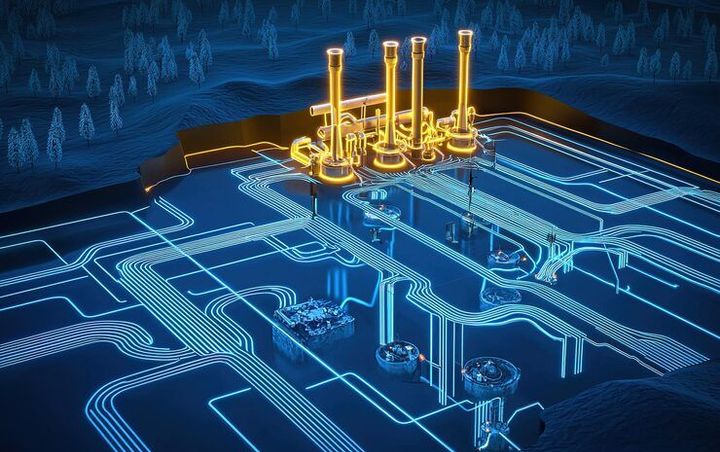
Industrial Power Flow Systems Guide for Energy Management and Grid Efficiency
Industrial power flow systems refer to the structured movement of electrical energy from generation sources to industrial loads through transmission and distribution networks. These systems are designed to ensure that electricity flows efficiently, safely, and reliably across complex infrastructures such as factories, processing plants, and utility networks.
The concept of industrial power flow exists because consistent and stable energy is critical for operating heavy machinery, automation systems, and other essential processes. Any imbalance in power can lead to inefficiencies, equipment damage, or operational downtime.
Power flow analysis is a core part of electrical engineering that determines how voltage, current, and power interact within a system. It helps engineers understand how energy travels across networks and identify potential issues before they become critical.
Why Industrial Power Flow Systems Matter Today
Modern industries rely heavily on uninterrupted and optimized energy distribution. Industrial power flow systems ensure electricity reaches the right place at the right time while maintaining stability.
Key Importance
- Prevent Overloads and Voltage Drops: Essential for large-scale industrial operations.
- Support Automation: Critical for digital manufacturing environments.
- Enhance Energy Efficiency: Reduces power losses and operational costs.
- Enable Better Planning: Assists with infrastructure expansion and upgrades.
Industries such as manufacturing, oil and gas, data centers, and utilities depend on these systems. Even minor disruptions can cause significant production losses, making accurate power flow analysis essential.
Recent Updates and Trends in Industrial Power Flow Systems
Industrial power flow systems have evolved with new technologies and energy priorities.
- Smart Grid Technologies (2025): Real-time data and digital monitoring improve power flow accuracy.
- Renewable Energy Integration: Solar and wind introduce variable generation, requiring advanced algorithms for stability.
- Artificial Intelligence and Machine Learning: Predict demand patterns, optimize load distribution, and enhance reliability.
- Energy Storage Systems: Batteries and storage units balance supply and demand for smooth operation.
These trends make power flow systems more intelligent, responsive, and resilient.
Laws and Policies Affecting Industrial Power Flow Systems
Industrial power flow systems are governed by national and international regulations to ensure safety, efficiency, and environmental compliance. In India, key policy areas include:
- Grid Codes: Define how electricity is transmitted and distributed.
- Energy Efficiency Regulations: Encourage reduced power losses.
- Renewable Energy Guidelines: Integrate sustainable sources into industrial systems.
- Safety Standards: Ensure safe electrical installations and equipment.
- Infrastructure Modernization Programs: Support adoption of advanced analysis tools and upgrades.
Compliance with these regulations is essential for operational safety and uninterrupted production.
Tools and Resources for Power Flow Analysis
A variety of tools help engineers and industries analyze and optimize power flow systems.
Common Tools
- Simulation Software: Analyze power flow scenarios and predict system behavior.
- Monitoring Systems: Track real-time energy usage and improve operational efficiency.
- Design Platforms: Plan electrical networks and optimize infrastructure.
- Analytics Tools: Evaluate performance data and support decision-making.
Tool Comparison Table
| Tool Type | Primary Function | Key Benefit |
|---|---|---|
| Simulation Software | Analyze power flow scenarios | Predict system behavior |
| Monitoring Systems | Track real-time energy usage | Improve operational efficiency |
| Design Platforms | Plan electrical networks | Optimize infrastructure design |
| Analytics Tools | Evaluate performance data | Support decision-making |
These resources enhance system reliability, reduce energy losses, and enable better planning for future growth.
Basic Power Flow Representation
| Component | Function | Example Role |
|---|---|---|
| Generator | Produces electrical energy | Power plant output |
| Transmission Line | Transfers energy over distance | High-voltage lines |
| Transformer | Adjusts voltage levels | Step-up or step-down systems |
| Load | Consumes electrical energy | Industrial machinery |
This structured flow ensures efficient energy delivery from the source to consumption points.
Frequently Asked Questions About Industrial Power Flow
What is power flow analysis in industrial systems?
It is the study of how electrical power moves through a network, determining voltage levels, current flow, and power distribution.
Why is power flow important in industries?
It ensures efficient energy distribution, prevents overloads, and maintains system stability for continuous operations.
What are the main components of a power flow system?
Generators, transmission lines, transformers, and loads produce, transfer, and consume electricity.
How do renewable energy sources affect power flow?
Variable sources like solar and wind introduce fluctuations, requiring advanced tools to manage power stability.
What tools are used for power flow analysis?
Simulation software, monitoring systems, and analytics platforms are used to study and optimize industrial networks.
Conclusion
Industrial power flow systems form the backbone of modern energy distribution in industrial environments. They ensure electricity is delivered efficiently, safely, and reliably across complex networks.
With smart grids, renewable energy integration, and digital technologies, power flow systems are becoming more advanced and dynamic. Industries must use modern tools, follow regulations, and continuously improve energy management strategies. Understanding these systems supports operational stability, long-term sustainability, and efficiency goals.