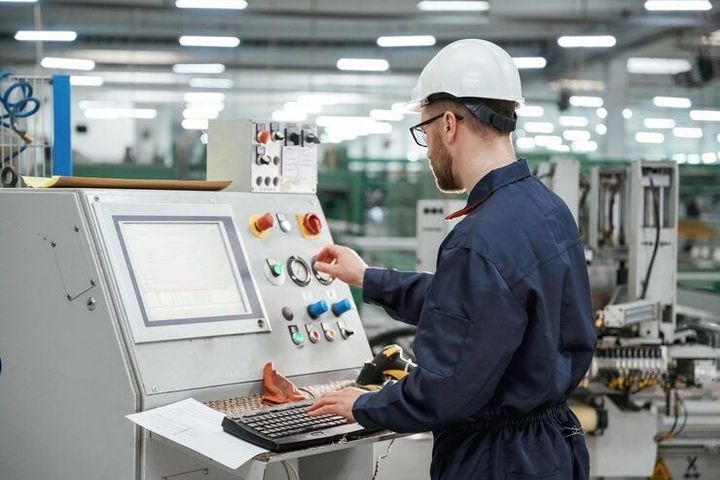
Industrial Press Control and Automation in Manufacturing
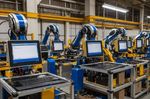
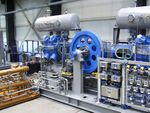
Industrial press control and automation refer to the systems, technologies, and processes used to manage and monitor industrial presses within manufacturing environments. Industrial presses are machines designed to shape, cut, form, stamp, or assemble materials through controlled force. These machines play an important role in industries such as automotive manufacturing, metal fabrication, electronics production, aerospace engineering, and consumer goods manufacturing.
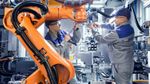
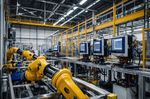
Industrial press automation combines sensors, programmable controllers, data monitoring systems, and intelligent software to improve machine performance. These systems help manufacturers maintain consistent quality standards while reducing operational errors. Today, automation has become an essential component of advanced manufacturing environments where productivity and precision are critical.
The growing adoption of digital technologies has further expanded the capabilities of industrial press control systems. Modern solutions can collect operational data, monitor machine health, and support predictive maintenance strategies, making manufacturing operations more reliable and efficient.
Why Industrial Press Control and Automation Matters Today
Manufacturing industries face increasing pressure to improve productivity while maintaining high-quality standards. Industrial press control and automation help address these challenges by creating more efficient and predictable production environments.
One of the primary advantages is improved accuracy. Automated systems ensure that pressing operations follow precise specifications during every production cycle. This consistency reduces defects and helps manufacturers maintain product quality.
Another important benefit is operational efficiency. Automated control systems can optimize machine performance, reduce downtime, and improve overall production output. As a result, manufacturing facilities can achieve higher levels of productivity without compromising quality.
Industrial press automation also contributes to workplace safety. Automated controls reduce the need for direct interaction with moving machine components, helping minimize workplace risks. Safety monitoring systems can detect abnormalities and trigger protective actions when necessary.
The technology affects multiple stakeholders, including:
- Manufacturing companies
- Production engineers
- Machine operators
- Quality assurance teams
- Industrial maintenance professionals
- Supply chain organizations
The following table highlights common manufacturing challenges and how automation addresses them.
| Manufacturing Challenge | Automation Solution |
|---|---|
| Production inconsistencies | Precision-controlled operations |
| Equipment downtime | Predictive maintenance monitoring |
| Human error | Automated process control |
| Quality variation | Real-time inspection systems |
| Safety concerns | Automated safety mechanisms |
As manufacturing continues to evolve, industrial press control systems play an increasingly important role in supporting operational excellence and long-term competitiveness.
Recent Updates and Industry Trends
The industrial automation sector has experienced significant developments throughout 2025 and early 2026. Several trends are shaping how manufacturers implement press control technologies.
One major trend is the integration of Industrial Internet of Things (IIoT) technologies. Connected sensors and smart devices now provide continuous machine monitoring, allowing manufacturers to collect valuable performance data. This information helps improve maintenance planning and operational decision-making.
Artificial intelligence and machine learning applications have also gained attention during the past year. These technologies can analyze production patterns, identify inefficiencies, and recommend process improvements. Manufacturers increasingly use intelligent systems to support predictive maintenance and quality optimization.
Another notable development is the expansion of digital twin technology. Digital twins create virtual representations of physical equipment, enabling engineers to simulate performance scenarios before implementing changes in actual production environments.
Recent trends include:
- Increased use of real-time monitoring systems
- Expansion of predictive maintenance programs
- Greater adoption of cloud-based industrial analytics
- Improved cybersecurity measures for connected equipment
- Enhanced energy efficiency monitoring solutions
The chart below summarizes major automation trends observed during 2025–2026.
| Trend Area | Industry Adoption Growth |
| IIoT Integration | High |
| Predictive Maintenance | High |
| Digital Twins | Moderate to High |
| AI-Based Analytics | Moderate |
| Energy Monitoring | High |
Manufacturers are also focusing on sustainability objectives. Modern press control systems help reduce material waste, optimize energy consumption, and improve resource utilization. These improvements support environmental goals while maintaining production efficiency.
The continued development of smart factory initiatives is expected to accelerate automation adoption over the coming years.
Laws and Policies Influencing Industrial Automation
Industrial press control and automation systems operate within regulatory frameworks designed to ensure safety, reliability, and environmental responsibility.
Many countries have workplace safety regulations that apply directly to industrial machinery. These regulations establish requirements for machine guarding, emergency stop functions, operator protection systems, and risk assessments.
Manufacturing facilities often follow standards related to:
- Machine safety
- Electrical safety
- Functional safety systems
- Industrial cybersecurity
- Environmental compliance
- Workplace health and safety
Government initiatives promoting advanced manufacturing and digital transformation have encouraged greater automation adoption. In several regions, national manufacturing modernization programs support investments in smart manufacturing technologies and industrial digitalization.
Environmental regulations also influence automation strategies. Manufacturers increasingly use automated monitoring systems to track energy consumption and improve sustainability performance. These systems help organizations align with environmental compliance requirements while improving operational efficiency.
Data security has become another important consideration. As industrial equipment becomes more connected, manufacturers must implement cybersecurity measures to protect operational systems and sensitive production information.
Organizations typically conduct regular audits, maintenance inspections, and compliance reviews to ensure that automated systems operate according to applicable regulations and industry standards.
Useful Tools and Resources for Learning and Implementation
Industrial press control and automation involve a variety of tools and educational resources that support learning, monitoring, and operational management.
Common categories of tools include:
- Production monitoring dashboards
- Maintenance scheduling platforms
- Industrial data analytics systems
- Energy consumption calculators
- Equipment performance tracking tools
- Process simulation software
- Digital documentation templates
- Safety assessment checklists
Manufacturers frequently use machine performance indicators to evaluate operational effectiveness. Key metrics often include production output, downtime frequency, cycle time consistency, and equipment utilization rates.
Helpful learning resources may include:
- Manufacturing industry publications
- Technical training courses
- Engineering certification programs
- Industrial automation workshops
- Professional associations
- Research journals
- Technical documentation libraries
Organizations often develop internal templates for equipment inspections, preventive maintenance planning, safety audits, and production reporting. These resources help maintain consistent operational practices across manufacturing facilities.
Continuous learning remains important because automation technologies continue to evolve rapidly. Engineers, technicians, and manufacturing professionals benefit from staying informed about emerging trends and industry best practices.
Frequently Asked Questions
What is industrial press control?
Industrial press control refers to the systems used to manage and regulate the operation of industrial press machines. These systems help ensure accurate, safe, and consistent manufacturing processes.
How does automation improve manufacturing quality?
Automation reduces process variability by controlling machine operations according to predefined parameters. This consistency helps improve product quality and minimize production defects.
What industries use industrial press automation?
Industries such as automotive manufacturing, aerospace, electronics, metal fabrication, packaging, and consumer goods production commonly use industrial press automation technologies.
What is predictive maintenance in automated systems?
Predictive maintenance uses sensors and data analysis to identify potential equipment issues before failures occur. This approach helps reduce downtime and improve equipment reliability.
Why is cybersecurity important in industrial automation?
Connected manufacturing systems exchange large amounts of operational data. Cybersecurity measures help protect equipment, production processes, and sensitive information from unauthorized access and potential disruptions.
Conclusion
Industrial press control and automation have become fundamental components of modern manufacturing. These technologies improve production accuracy, enhance operational efficiency, support workplace safety, and enable data-driven decision-making. As manufacturing environments continue to adopt digital transformation strategies, automation systems are expected to play an even greater role in optimizing production processes.