Industrial Pumping Systems Overview: Guide to Types, Functions, and Applications
Industrial pumping systems are essential mechanical setups used to move liquids, gases, or slurries from one location to another within industrial environments. These systems are widely used across sectors such as manufacturing, water treatment, oil and gas, agriculture, and chemical processing. Their main purpose is to ensure the controlled and efficient transfer of fluids under different pressure and flow conditions.
At the core of industrial pumping systems are pumps, which convert mechanical energy into fluid movement. Common types include centrifugal pumps, positive displacement pumps, and diaphragm pumps. Each type is designed for specific applications depending on fluid characteristics, required pressure, and flow rate.
These systems exist because many industrial processes require consistent fluid handling—whether transporting water, circulating coolants, or safely moving chemicals. Without them, operations would face inefficiencies, delays, and operational risks.
Why Industrial Pumping Systems Matter Today
Industrial pumping systems play a critical role in modern infrastructure and production. As industries expand, efficient fluid handling becomes increasingly important for energy management, operational efficiency, and sustainability.
Key Applications
- Water Management – For municipal and industrial supply systems.
- Energy Production – Including thermal and renewable power plants.
- Chemical Processing – Ensures precise fluid control and safety.
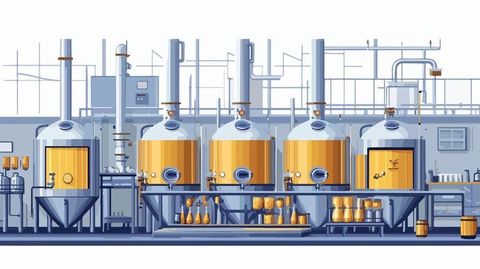
- Food and Beverage Industries – Maintains hygiene and consistent production.
These systems solve problems like maintaining continuous flow in complex processes and optimizing energy use, which is essential for sustainable industrial development.
Recent Updates and Trends in Industrial Pumping Systems
Several trends in 2024–2025 are shaping industrial pumping systems:
Key Developments
- Smart Pumping Systems (2024) – IoT sensors and automation enable real-time monitoring of pressure, flow, and performance.
- Energy Efficiency Standards (2025) – Guidelines encourage energy-efficient pump designs and system optimization.
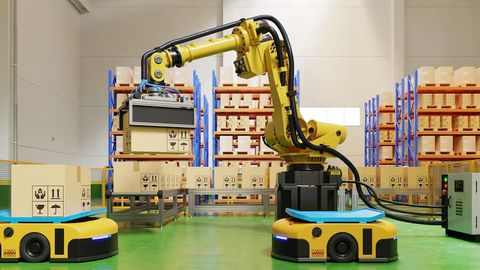
- Predictive Maintenance Technologies (2024) – AI tools predict failures before they occur, reducing downtime.
- Sustainable Materials and Designs (2025) – Corrosion-resistant and eco-friendly materials improve durability and reduce environmental impact.
These updates highlight the industry’s focus on digitalization, reliability, and environmental compliance.
Laws, Policies, and Regulatory Influence
Industrial pumping systems are governed by regulations ensuring safety, efficiency, and environmental protection.
Key Regulatory Aspects
- Energy Efficiency Regulations – Encourage high-efficiency motors and pumps.
- Environmental Protection Laws – Control fluid leakage, emissions, and waste handling.
- Safety Standards – Ensure proper installation, operation, and maintenance.
- Water Management Policies – Promote efficient water usage and conservation.
Relevant Frameworks
- Bureau of Energy Efficiency (BEE) guidelines (India)
- ISO standards for pump performance and testing
- Environmental compliance rules for industrial discharge
These policies influence the design, installation, and operation of pumping systems, ensuring safety and sustainability.
Tools and Resources for Industrial Pumping Systems
Engineers and technicians rely on tools and resources to optimize pumping systems.
Useful Tools and Platforms
- Pump Selection Software – Choose the correct pump type.
- Flow Rate and Pressure Calculators – Ensure proper system sizing.
- Energy Efficiency Analysis Tools – Identify energy savings opportunities.
- Maintenance Scheduling Software – Plan preventive maintenance.
- Simulation Tools – Model system performance.
Educational Resources
- Engineering textbooks on fluid mechanics
- Online courses on industrial systems
- Technical documentation from manufacturers
- Government and industry guidelines
Templates and Practical Aids
- Maintenance checklists
- System design templates
- Performance monitoring logs
Key Components of Industrial Pumping Systems
| Component | Function |
|---|---|
| Pump | Moves fluid by converting energy |
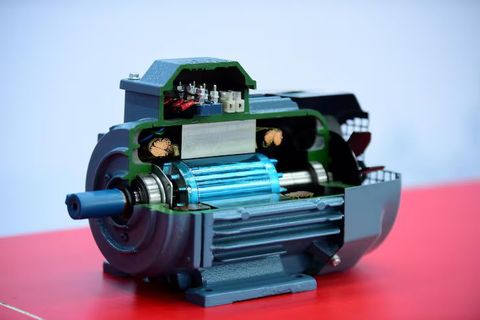
| Motor | Provides power to the pump |
| Pipes and Valves | Direct and control fluid flow |
| Sensors | Monitor pressure, temperature, and flow |
| Control System | Automates and regulates system operation |
Basic Performance Relationship
| Parameter | Description |
|---|---|
| Flow Rate | Volume of fluid moved per unit time |
| Pressure | Force applied to move the fluid |
| Efficiency | Ratio of useful output to energy input |
Higher efficiency means less energy is wasted, making operations more sustainable and cost-effective.
Frequently Asked Questions (FAQs)
What are the main types of industrial pumps?
Centrifugal pumps, positive displacement pumps, and diaphragm pumps, each suited for specific fluid properties and requirements.
How do industrial pumping systems improve efficiency?
They maintain consistent fluid flow, reduce manual effort, and optimize energy use through design and automation.
What factors affect pump performance?
Fluid type, temperature, pressure requirements, system design, and maintenance practices.
Why is maintenance important in pumping systems?
Regular maintenance prevents breakdowns, improves efficiency, and extends equipment lifespan.
What is the role of automation in modern pumping systems?
Automation enables real-time monitoring, fault detection, and system optimization, improving reliability and reducing downtime.
Conclusion
Industrial pumping systems are fundamental to modern industry, enabling efficient fluid movement across diverse applications. From water management to chemical processing, these systems ensure smooth and reliable operations.
With advancements in smart technologies, energy efficiency, and sustainable designs, pumping systems are increasingly environmentally friendly and reliable. Regulatory frameworks ensure safety and compliance, guiding their proper design and operation.
Understanding the components, performance, and trends of industrial pumping systems helps organizations make informed decisions, optimize efficiency, and adapt to evolving industrial needs.