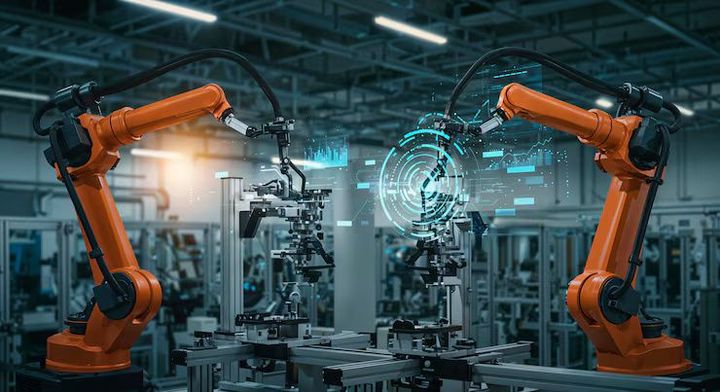
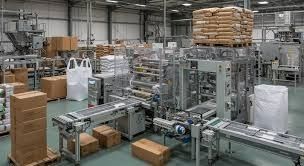
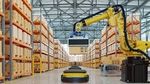
The concept of industrial automation began developing in the mid-20th century as manufacturers looked for ways to increase productivity and reduce human error. Over time, robotics technology evolved through advancements in computer control systems, artificial intelligence, sensors, and machine learning.
Today, industrial robotics equipment includes a wide range of systems designed for specific operational needs. Some robots specialize in precision assembly, while others handle heavy materials or high-speed production tasks.
Types of Industrial Robots
Industrial robots are designed to perform specialized tasks across manufacturing and production environments. Each type serves a unique function based on speed, flexibility, and precision requirements.
Common Robot Types
-
Articulated robots used for welding and assembly
-
SCARA robots designed for high-speed precision work
-
Cartesian robots used for pick-and-place operations
-
Delta robots used in packaging and sorting
-
Collaborative robots (cobots) designed to work with humans
Importance of Industrial Robotics Equipment
Industrial robotics equipment plays a critical role in modern manufacturing transformation. Automation systems help industries maintain productivity, improve quality, and adapt to increasing technological demands.
Key Industry Applications
-
Automotive manufacturing
-
Electronics production
-
Aerospace engineering
-
Pharmaceutical manufacturing
-
Food processing
-
Logistics and warehousing
Benefits of Robotics
Improved Production Efficiency
Robotic systems can perform repetitive tasks continuously with high consistency. This reduces production delays and increases output levels.
Precision and Quality Control
Robots equipped with sensors and machine vision systems detect small variations during production. This helps maintain consistent product quality and reduces defects.
Safety Improvements
Automation reduces the need for human involvement in hazardous tasks such as welding, chemical handling, or heavy lifting. This improves workplace safety significantly.
Scalable Manufacturing
Modern robotic systems integrate with AI platforms, control systems, and ERP software. This allows manufacturers to scale operations efficiently in response to demand.
Recent Updates in Industrial Robotics
Industrial robotics has seen rapid advancements in recent years due to increased investment in automation and digital infrastructure. New developments are improving efficiency, safety, and adaptability.
Key Trends (2024–2025)
-
Introduction of advanced collaborative robots with improved safety features
-
Expansion of AI-driven robotics for workflow optimization
-
Growth of machine vision systems for quality inspection
-
Adoption of digital twin technology for simulation
-
Use of cloud robotics for remote monitoring
Emerging Technologies
-
AI automation platforms for predictive maintenance
-
Edge computing for real-time processing
-
Autonomous mobile robots (AMRs) for logistics operations
Robot Applications Comparison
| Robot Type | Typical Application | Key Advantage |
|---|
| Articulated Robot | Welding, assembly | High flexibility |
| SCARA Robot | Electronics assembly | Fast precision movement |
| Delta Robot | Packaging, sorting | High-speed operation |
| Collaborative Robot | Human-robot interaction | Enhanced safety |
Laws and Policies
Industrial robotics equipment is governed by safety regulations and international standards. These frameworks ensure safe operation and responsible deployment in industrial environments.
Key Safety Standards
-
ISO 10218 – Industrial robot safety requirements
-
ISO/TS 15066 – Collaborative robot safety guidelines
-
IEC 61508 – Functional safety for automated systems
Government and Industry Initiatives
-
Smart manufacturing programs for digital factories
-
Technology modernization initiatives
-
Research funding for robotics and AI integration
Environmental regulations may also apply in industries dealing with chemicals or electronic waste. Compliance ensures sustainable and safe use of automation technologies.
Tools and Resources
Various tools and platforms support the development, testing, and deployment of industrial robotics systems. These resources help professionals design efficient and reliable automation solutions.
Robotics Simulation Software
-
RobotStudio for virtual simulation
-
RoboDK for robotics programming and testing
-
Gazebo for open-source simulation environments
Automation Programming Tools
-
ROS (Robot Operating System)
-
PLC programming platforms
-
Industrial automation control systems
Machine Vision Systems
-
Object detection tools
-
Quality inspection systems
-
Automated measurement solutions
Industrial IoT Platforms
-
Real-time analytics dashboards
-
Predictive maintenance systems
-
Equipment performance monitoring tools
Automation Technology Overview
| Technology | Purpose | Industry Application |
|---|
| Industrial IoT | Equipment connectivity | Smart factories |
| Machine Vision | Visual inspection | Electronics manufacturing |
| Digital Twin | Virtual simulation | Production optimization |
| AI Analytics | Data-driven automation | Predictive maintenance |
Frequently Asked Questions
What is industrial robotics equipment?
Industrial robotics equipment refers to automated machines used in manufacturing to perform tasks like assembly, welding, packaging, and inspection with high precision.
What industries use industrial robots most?
Industries such as automotive, electronics, logistics, pharmaceuticals, and aerospace widely use robotics for efficiency and precision.
What is the difference between traditional and collaborative robots?
Traditional robots operate in isolated environments, while collaborative robots are designed to safely work alongside human operators using advanced sensors.
How do robots improve efficiency?
Robots perform repetitive tasks continuously and accurately, reducing errors and increasing production output.
What technologies support modern robotics?
Modern robotics systems rely on AI, industrial IoT, machine vision, automation software, and digital twin technologies.
Conclusion
Industrial robotics equipment has become a core component of modern manufacturing systems. It enhances efficiency, precision, and operational consistency across multiple industries.
Recent advancements in artificial intelligence, machine vision, and simulation technologies are expanding robotic capabilities. These innovations are shaping the future of smart manufacturing environments.
With strong regulatory frameworks and ongoing technological progress, industrial robotics will continue to play a vital role in global industrial development. Understanding these systems helps organizations and professionals stay competitive in an evolving automation landscape.