Industrial Ventilation Systems Overview Guide for Airflow Efficiency Insights
Industrial ventilation systems are engineered solutions designed to control air quality, temperature, humidity, and airborne contaminants in industrial environments. These systems exist to ensure that workplaces such as factories, warehouses, and processing units maintain safe and breathable air conditions for workers and equipment.
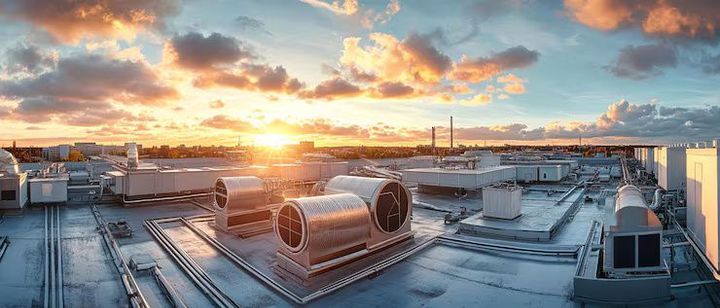
Ventilation systems typically include components such as ducts, fans, filters, exhaust outlets, and air intake units. They are broadly categorized into two types: natural ventilation, which relies on airflow through openings, and mechanical ventilation, which uses powered equipment to regulate air movement.
These systems are essential where processes generate heat, dust, fumes, or chemical vapors. By continuously exchanging indoor and outdoor air, they help maintain a balanced and controlled environment.
Why Industrial Ventilation Systems Matter Today
The importance of industrial ventilation systems has grown due to increasing awareness of workplace safety, environmental standards, and operational efficiency.
Key Reasons Industrial Ventilation Is Critical
-
Worker Health Protection
Proper ventilation reduces exposure to harmful particles and gases, preventing respiratory issues, fatigue, and long-term health risks. -
Regulatory Compliance
Industries must meet air quality and safety standards set by authorities, making ventilation systems essential for compliance. -
Improved Productivity
A well-ventilated environment helps maintain comfortable temperatures, reducing worker fatigue and improving efficiency. -
Equipment Longevity
Removing excess heat and contaminants prevents damage to machinery and reduces maintenance requirements. -
Environmental Responsibility
Modern systems control emissions and minimize environmental impact, aligning with sustainability goals.
Industries such as manufacturing, pharmaceuticals, food processing, and chemical production rely heavily on ventilation systems to solve air contamination and heat management challenges.
Recent Updates and Trends in 2025
Industrial ventilation has seen several advancements, particularly with the integration of smart technologies and sustainability-focused designs.
Key Developments
-
Smart Ventilation Systems (2024–2025)
IoT sensors allow real-time monitoring of air quality, temperature, and humidity, with automatic airflow adjustments. -
Energy-Efficient Designs
Systems now reduce energy consumption using variable speed fans and optimized airflow patterns. -
AI-Based Predictive Maintenance (2025)
Artificial intelligence predicts equipment failures and optimizes maintenance schedules, reducing downtime. -
Improved Filtration Technologies
Advanced filters, including HEPA and activated carbon filters, capture finer particles and harmful gases. -
Focus on Indoor Air Quality Post-2024
Industries are investing more in air purification and ventilation upgrades following global health concerns.
These trends reflect a shift toward intelligent, energy-efficient, and health-focused ventilation systems.
Laws and Policies Affecting Industrial Ventilation
Industrial ventilation systems are governed by various safety and environmental regulations, especially in countries like India.
Key Regulatory Frameworks
-
Factories Act, 1948 (India)
Mandates proper ventilation and temperature control in industrial workplaces. -
National Building Code (NBC) of India
Provides guidelines for ventilation design, airflow rates, and safety requirements. -
Central Pollution Control Board (CPCB)
Sets standards for air emissions and pollution control, requiring proper exhaust management. -
Occupational Safety and Health Guidelines
Emphasize maintaining acceptable air quality and minimizing exposure to hazardous substances. -
Energy Conservation Building Code (ECBC)
Encourages energy-efficient ventilation systems to reduce power consumption.
Compliance with these policies ensures safer workplaces and reduces environmental impact.
Tools and Resources for Industrial Ventilation
A range of tools and resources help design, analyze, and maintain ventilation systems effectively.
Useful Tools
- Airflow Calculation Software – Designs systems based on airflow requirements and space dimensions.
- HVAC Design Tools – Simulate temperature, humidity, and airflow distribution.
- Air Quality Monitoring Devices – Measure pollutants, CO₂ levels, and humidity in real time.
- Energy Efficiency Calculators – Estimate energy consumption and identify optimization opportunities.
- Maintenance Management Systems – Track system performance and schedule inspections.
Common Ventilation Components and Their Functions
| Component | Function |
|---|---|
| Fans | Move air through the system |
| Ducts | Transport air to different areas |
| Filters | Remove dust and contaminants |
| Exhaust Systems | Expel polluted air outside |
| Air Intakes | Bring fresh air into the system |
Frequently Asked Questions
What is the main purpose of industrial ventilation systems?
To maintain safe air quality by removing contaminants, controlling temperature, and ensuring proper airflow.
What are the types of industrial ventilation systems?
There are two main types: natural ventilation and mechanical ventilation. Mechanical systems are more common due to better control and efficiency.
How often should ventilation systems be maintained?
Regular inspections are recommended every 3–6 months, with detailed maintenance schedules depending on usage and industry standards.
What factors affect ventilation system performance?
Airflow design, filter efficiency, system maintenance, and environmental conditions such as temperature and humidity.
Can ventilation systems improve energy efficiency?
Yes, modern systems with smart controls and efficient components can reduce energy consumption while maintaining optimal air quality.
Conclusion
Industrial ventilation systems play a vital role in ensuring safe, efficient, and compliant industrial operations. They protect worker health, improve productivity, and support environmental goals by managing air quality and temperature effectively.
With advancements in smart technology, energy efficiency, and regulatory standards, these systems are becoming more sophisticated and essential across industries. Understanding their design, importance, and maintenance helps organizations create safer and more sustainable working environments.
As industries evolve, ventilation systems remain central to balancing operational efficiency with health and environmental responsibility.