Injectable Liquid Filling Lines Overview: Complete Guide to Systems and Applications
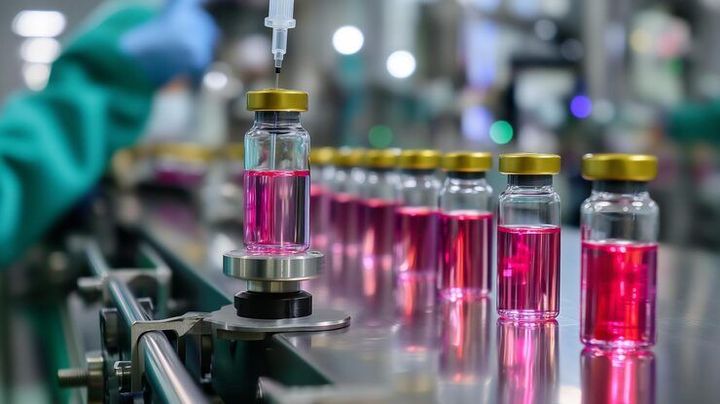
Injectable liquid filling lines are specialized production systems used in pharmaceutical and biotechnology industries to fill sterile liquids into containers such as vials, ampoules, and prefilled syringes. These systems are designed to ensure accuracy, sterility, and consistency in the packaging of injectable drugs.
Injectable liquid filling lines are specialized systems used in pharmaceutical manufacturing to fill sterile liquid drugs into containers such as vials, ampoules, and syringes. These systems are designed to operate under highly controlled conditions to ensure product safety and quality.
Since injectable drugs are administered directly into the human body, even minor contamination or dosing errors can lead to serious health risks. Therefore, these systems are typically installed in cleanroom environments with strict air quality standards.
Key Components of Filling Lines
A typical injectable liquid filling line consists of several integrated components working together to ensure efficiency and sterility.
- Washing and sterilization units
- Filling machines with precise dosing mechanisms
- Stoppering and sealing equipment
- Inspection systems
- Labeling and packaging units
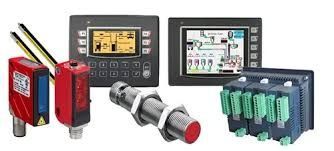
Automation technologies such as PLC and SCADA systems are widely used to minimize human intervention and improve consistency. These technologies help ensure compliance with strict pharmaceutical regulations.
Why Injectable Filling Systems Matter Today
Injectable filling systems play a crucial role in modern healthcare manufacturing. The increasing demand for vaccines, biologics, and insulin has made these systems more important than ever.
They support safe drug delivery while maintaining high production standards and minimizing risks.
Key Factors Driving Importance
- Rising global demand for injectable therapies
- Growth in biologics and biosimilars
- Increased focus on patient safety
- Expansion of pharmaceutical manufacturing in emerging markets
Challenges Addressed by These Systems
- Maintaining sterility throughout production
- Ensuring precise dosing
- Reducing contamination risks
- Meeting global regulatory standards
Advancements in personalized medicine and chronic disease treatments have also increased the need for flexible and scalable filling systems.
Recent Trends and Developments in 2025
Injectable liquid filling technology has seen rapid advancements in 2025. These developments focus on automation, efficiency, and improved product safety.
Key Trends
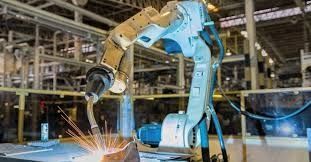
- Adoption of robotic filling systems for higher precision
- Growth of single-use technologies
- Integration of AI for real-time quality monitoring
- Expansion of modular and flexible production lines
Modern systems now use advanced sensors and vision systems to detect defects and maintain quality control. There is also a growing shift toward prefilled syringes and auto-injectors, which require highly accurate filling technologies.
Sustainability is another focus area, with manufacturers adopting energy-efficient equipment and reducing material waste.
Regulatory Framework and Compliance Requirements
Injectable filling lines are governed by strict regulations due to the critical nature of sterile drugs. Compliance ensures safety, quality, and consistency in production.
Key Regulations and Standards
- Good Manufacturing Practices (GMP)
- ISO cleanroom standards
- Sterility assurance protocols
- Validation and documentation requirements
Regional Regulatory Authorities
- India: Central Drugs Standard Control Organization (CDSCO)
- United States: FDA (cGMP guidelines)
- European Union: EMA guidelines for aseptic processing
Key Compliance Areas
- Environmental monitoring
- Equipment validation and calibration
- Personnel training and hygiene
- Documentation and traceability
Failure to meet these requirements can result in recalls, delays, or regulatory penalties.
Tools and Resources for Injectable Filling Systems
Modern injectable filling lines rely on advanced tools and digital systems to maintain efficiency and compliance. These technologies enable real-time monitoring and process optimization.
Common Tools
- SCADA systems for monitoring
- PLC-based automation
- Cleanroom monitoring software
- Batch record management systems
- Quality inspection software
Digital Technologies
- Machine vision systems
- Data analytics platforms
- Predictive maintenance tools
- Electronic batch recording systems
Container Types Comparison
| Container Type | Typical Use Case | Advantages |
|---|---|---|
| Vials | Vaccines, antibiotics | Versatile and widely used |
| Ampoules | Single-dose medications | High sterility assurance |
| Prefilled Syringes | Biologics, insulin | Convenient and accurate dosing |
Basic Workflow of a Filling Line
- Container washing and sterilization
- Precise liquid filling
- Stoppering or sealing
- Visual inspection
- Labeling and packaging
Performance Monitoring Metrics
- Fill accuracy
- Contamination rates
- Equipment uptime
- Production throughput
Additional Insights on System Design
Modern filling lines are designed for flexibility and scalability. Manufacturers prefer modular systems that can adapt to different production needs.
Key Design Considerations
- Compatibility with multiple container formats
- Ease of cleaning and maintenance
- Integration with digital systems
- Compliance with global standards
Filling Technologies Comparison
| Filling Method | Accuracy Level | Suitable Applications |
|---|---|---|
| Time-pressure filling | Moderate | General liquid filling |
| Peristaltic filling | High | Sensitive biologics |
| Piston filling | Very high | Precise dosing applications |
Frequently Asked Questions
What are injectable liquid filling lines used for?
They are used to fill sterile liquid medications into containers such as vials, ampoules, and syringes under controlled conditions.
Why is sterility important in injectable filling?
Sterility ensures that no harmful microorganisms are present, which is critical because injectable drugs enter directly into the body.
What is the difference between aseptic and terminal sterilization?
Aseptic processing involves filling sterile products into sterile containers, while terminal sterilization sterilizes the product after sealing.
What industries use injectable filling systems?
These systems are mainly used in pharmaceutical, biotechnology, and healthcare industries.
How is accuracy maintained during filling?
Accuracy is ensured through precision pumps, sensors, and automated control systems that regulate the fill volume.
Conclusion
Injectable liquid filling lines are essential in pharmaceutical manufacturing, ensuring sterile drugs are accurately filled and safely packaged. These systems support high standards of quality and regulatory compliance.
With advancements in automation, AI, and modular design, these systems are becoming more efficient and adaptable. The developments in 2025 highlight a shift toward smarter, safer, and more sustainable production environments.