The skin around the eyes is thinner and more delicate than other areas of the face.
As people age, changes in skin elasticity, collagen levels, and fat distribution can make the area beneath the eyes appear puffy or tired. For some individuals, laser resurfacing is one of several cosmetic procedures that may help improve the appearance of this area by targeting skin texture and encouraging collagen production.
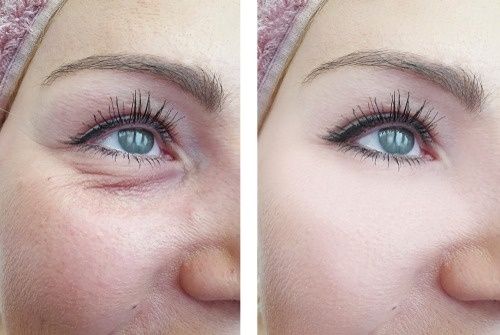
This guide explains what laser resurfacing for eye bags involves, how the procedure works, its potential benefits, recovery process, possible considerations, and factors to discuss with a qualified healthcare professional before deciding whether it is an appropriate option.
What Is Laser Resurfacing for Eye Bags?
Laser resurfacing for eye bags is a cosmetic skin procedure that uses controlled laser energy to treat the skin around the lower eyelids. The laser removes or heats targeted layers of skin, encouraging the body's natural healing process and stimulating new collagen production.
The goal is to improve the appearance of fine lines, uneven texture, mild skin laxity, and certain types of under-eye puffiness. While laser resurfacing may improve skin quality, it is not suitable for every cause of eye bags. In some cases, prominent fat deposits or significant loose skin may require different treatment approaches.
How the Procedure Works
Before treatment, a healthcare professional evaluates the skin around the eyes, reviews medical history, and discusses treatment goals.
During the procedure, the treatment area is cleaned, and protective eye shields are used to safeguard the eyes. Depending on the type of laser and the treatment plan, a topical anesthetic or another form of pain management may be used to improve comfort.
The laser delivers controlled energy to the targeted skin, creating tiny treatment zones or removing thin layers of damaged skin. This process stimulates the body's natural repair response, encouraging the formation of new collagen and healthier skin over time.
After the procedure, the treated area begins healing gradually as fresh skin develops.
Potential Benefits
Laser resurfacing may provide several cosmetic improvements for suitable candidates.
Possible benefits include:
- Smoother skin texture
- Reduction in the appearance of fine lines
- Improved skin firmness
- More even skin tone
- Enhanced collagen production
- A refreshed appearance around the eyes
The results vary depending on individual skin characteristics, the type of laser used, and the underlying cause of the eye bags.
Recovery and Aftercare
Recovery differs from person to person and depends on the treatment intensity.
It is common to experience temporary redness, swelling, mild discomfort, and skin sensitivity during the early healing period. These effects generally improve as the skin recovers.
Following aftercare instructions is important for proper healing. Recommendations often include keeping the treated area clean, using approved moisturizers, protecting the skin from direct sunlight, and avoiding activities that may irritate the healing skin.
Because the skin remains sensitive after treatment, consistent sun protection is especially important while recovery continues.
Who May Be a Suitable Candidate?
Laser resurfacing may be considered for individuals with:
- Mild to moderate skin laxity beneath the eyes
- Fine lines around the lower eyelids
- Uneven skin texture
- Sun-related skin changes
- Good overall skin health
The procedure may not be appropriate for everyone. Individuals with certain skin conditions, active infections, or specific medical concerns may require alternative approaches. A consultation with a qualified healthcare professional helps determine the most appropriate treatment based on individual needs.
Possible Risks and Considerations
Like many cosmetic procedures, laser resurfacing has potential risks and temporary side effects.
Possible considerations include temporary swelling, redness, skin irritation, changes in skin pigmentation, delayed healing, or infection in uncommon cases. Following professional guidance before and after treatment can help reduce these risks.
It is also important to have realistic expectations. While many people notice cosmetic improvement, results differ between individuals and multiple treatment sessions may sometimes be recommended depending on the treatment plan.
Conclusion
Laser resurfacing for eye bags is a cosmetic procedure designed to improve the appearance of the delicate skin beneath the eyes by encouraging natural skin renewal and collagen production. It may help reduce the appearance of fine lines, improve skin texture, and create a smoother under-eye appearance for appropriate candidates.
Because every person's skin and cosmetic goals are different, a professional evaluation is an important first step. Understanding the procedure, recovery process, potential benefits, and possible limitations can help individuals make informed decisions about whether laser resurfacing aligns with their personal goals.
Disclaimer
The information provided in this article is for informational purposes only. We do not make any claims or guarantees regarding the accuracy, reliability, or completeness of the information presented. The content is not intended as professional advice and should not be relied upon as such. Readers are encouraged to conduct their own research and consult with appropriate professionals before making any decisions based on the information provided in this article.