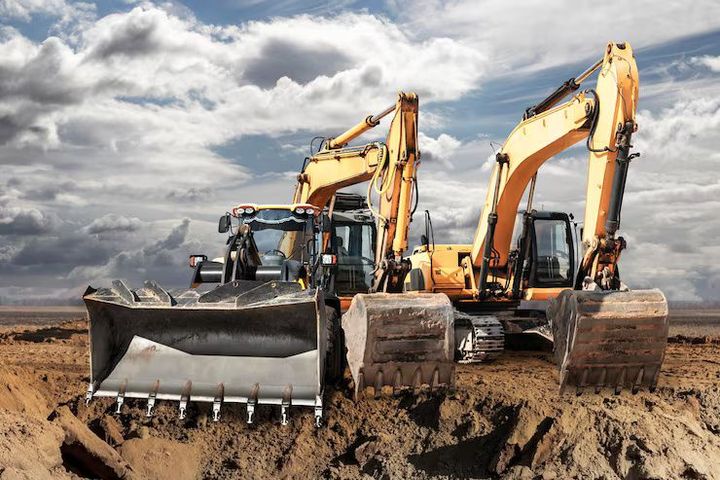
Learn About Earthmoving Equipment for Construction and Mining
Earthmoving equipment plays an essential role in modern construction and mining by making large-scale excavation, grading, material handling, and site preparation more efficient. These powerful machines help complete projects that would otherwise require significant manual labor and time. From road construction to mineral extraction, earthmoving equipment supports a wide range of industries around the world.
This guide explains the purpose, importance, recent developments, regulations, and practical resources related to earthmoving equipment for construction and mining. Whether you are a student, equipment operator, engineer, or simply interested in heavy machinery, understanding these machines helps build knowledge of how modern infrastructure and mining projects are completed safely and efficiently.
Context
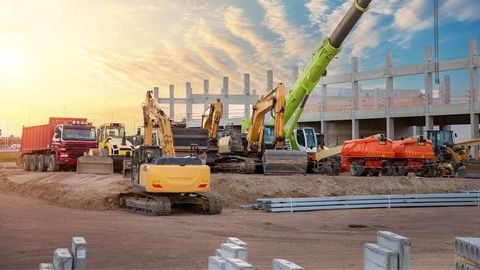
Earthmoving equipment refers to heavy machines designed to move soil, rocks, sand, gravel, and other materials during construction and mining operations. These machines are used throughout the project lifecycle, including land clearing, excavation, transportation, grading, and site restoration.
The development of earthmoving equipment has transformed construction and mining over the past century. Early operations relied heavily on manual labor and simple mechanical tools. Today, advanced hydraulic systems, electronic controls, and automation have greatly improved productivity, accuracy, and operator safety.
Different types of earthmoving equipment are designed for specific tasks depending on terrain, project size, and material type.
Common Types of Earthmoving Equipment
| Equipment | Primary Purpose |
|---|---|
| Excavator | Digging, trenching, demolition, lifting |
| Bulldozer | Pushing soil, clearing land, grading |
| Wheel Loader | Loading loose materials into trucks |
| Backhoe Loader | Excavation and light material handling |
| Motor Grader | Road leveling and surface finishing |
| Dump Truck | Transporting excavated materials |
| Skid Steer Loader | Compact excavation and site cleaning |
| Wheel Tractor Scraper | Moving and leveling large volumes of soil |
Each machine is selected based on project requirements, ground conditions, and operational efficiency.
Importance
Earthmoving equipment is fundamental to construction and mining because it improves efficiency while reducing physical labor. Large infrastructure projects such as highways, railways, airports, tunnels, dams, and commercial developments depend on heavy machinery to prepare sites accurately and within planned schedules.
Mining operations also rely on earthmoving equipment to remove overburden, transport minerals, prepare access roads, and restore land after extraction. Without specialized equipment, large-scale mining activities would become far more difficult and less productive.
The use of modern machinery provides several benefits:
- Faster excavation and material movement
- Improved precision during grading
- Better workplace safety through advanced controls
- Reduced project delays
- Greater fuel efficiency in newer equipment
- Increased productivity across large work sites
These machines benefit construction companies, mining operators, civil engineers, contractors, equipment operators, government infrastructure projects, and environmental restoration initiatives.
Recent Updates
Between 2024 and 2026, earthmoving equipment has continued to evolve with greater emphasis on automation, sustainability, digital monitoring, and operator assistance technologies.
Manufacturers are increasingly integrating telematics systems that allow equipment owners to monitor machine performance, maintenance schedules, fuel usage, and operating hours through connected digital platforms.
Another important trend is the development of electric and hybrid earthmoving equipment for selected applications. These machines aim to reduce emissions and improve energy efficiency while supporting environmental objectives.
Artificial intelligence and machine guidance technologies have also become more common. GPS-assisted grading systems, automated excavation assistance, and remote monitoring improve operational accuracy and reduce unnecessary rework.
Additional developments include:
- Improved hydraulic efficiency
- Enhanced operator comfort
- Predictive maintenance using machine data
- Better safety sensors and camera systems
- Remote fleet management software
- Increased use of recycled construction materials
These innovations continue to improve productivity while supporting environmental and operational goals across construction and mining industries.
Laws or Policies
Construction and mining activities are generally regulated by occupational safety, environmental protection, emissions, and equipment operation standards. These regulations help reduce workplace risks while protecting surrounding communities and natural resources.
Operators are typically required to follow workplace safety procedures, use appropriate personal protective equipment, inspect machinery regularly, and comply with local environmental regulations related to dust control, noise management, fuel handling, and waste disposal.
Examples of Regulatory Areas
| Regulation Area | Purpose |
| Workplace safety standards | Protect operators and nearby workers |
| Equipment inspection requirements | Improve machine reliability and safety |
| Environmental protection rules | Reduce pollution and land disturbance |
| Emission standards | Limit engine emissions |
| Noise regulations | Reduce community and workplace noise |
| Mining safety regulations | Improve operational safety during extraction |
Many countries regularly update these requirements to reflect technological improvements and environmental objectives.
Tools and Resources
Several educational and technical resources help individuals understand earthmoving equipment for construction and mining. These resources provide technical guidance, safety information, equipment documentation, and operational best practices.
Useful resources include:
- Government construction and mining safety agencies
- Occupational health and safety organizations
- Equipment manufacturer documentation
- Digital equipment maintenance platforms
- Fleet management software
- GPS machine guidance systems
- Fuel consumption calculators
- Equipment maintenance checklists
- Construction project planning templates
Online training materials and operator manuals also help users understand equipment controls, maintenance requirements, and safe operating procedures.
Digital monitoring platforms continue to improve equipment management by providing information on engine hours, maintenance intervals, machine location, utilization rates, and operational efficiency.
FAQs
What is earthmoving equipment?
Earthmoving equipment consists of heavy machinery used to excavate, transport, grade, and move soil, rocks, and construction materials during building and mining projects.
Which industries use earthmoving equipment?
Construction, mining, road development, agriculture, quarrying, infrastructure development, and land restoration commonly use earthmoving equipment.
What is the difference between an excavator and a bulldozer?
An excavator is mainly used for digging and lifting, while a bulldozer primarily pushes soil, rocks, and other materials across the ground.
Why is regular equipment inspection important?
Routine inspections help identify wear, improve operational safety, reduce unexpected breakdowns, and support efficient machine performance.
How has technology improved earthmoving equipment?
Modern equipment includes GPS guidance, telematics, automated controls, fuel-efficient engines, predictive maintenance systems, and enhanced operator safety features.
Conclusion
Earthmoving equipment is an essential part of modern construction and mining, supporting efficient excavation, material handling, and site preparation. Advances in automation, digital monitoring, and environmental technologies continue to improve machine performance and workplace safety. Understanding different equipment types, applicable regulations, and available technical resources helps individuals appreciate the important role these machines play in infrastructure development and responsible mining operations. Continuous innovation will likely shape the future of heavy equipment across many industries.