Learn About PCR Machines: Knowledge, Strategies, and Advanced Tips
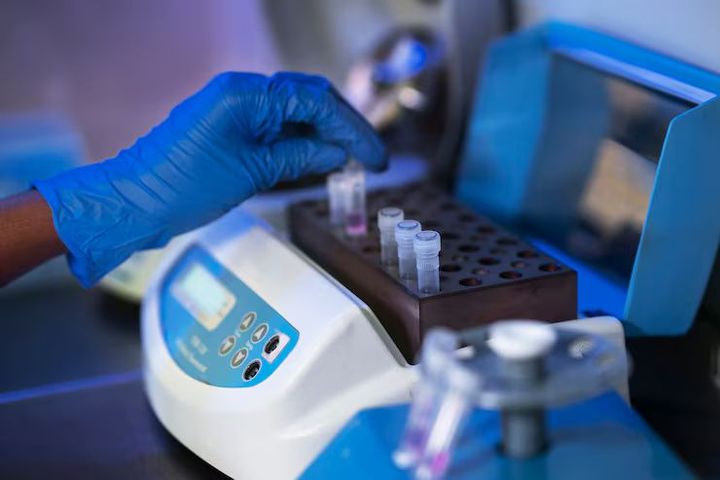
PCR machines are laboratory instruments used to perform polymerase chain reaction (PCR), a scientific technique that amplifies small amounts of genetic material. Since its development in the late twentieth century, PCR has become one of the most widely used methods in molecular biology, genetics, environmental science, agriculture, and medical research.
The primary purpose of PCR is to create multiple copies of specific DNA sequences, making them easier to study and analyze. Researchers and laboratory professionals use PCR machines for laboratory work involving genetic testing, pathogen detection, forensic investigations, food quality analysis, and biological research.
Modern PCR technology has evolved significantly from its early versions. Today, laboratories use a variety of systems ranging from conventional thermal cyclers to advanced real-time instruments. As a result, PCR machine manufacturers and real time PCR machine suppliers continue to develop equipment with enhanced accuracy, automation, and data analysis capabilities.
PCR testing equipment for laboratories is now found in universities, research institutes, hospitals, biotechnology facilities, agricultural laboratories, and environmental monitoring centers. These instruments support scientific investigations that require precise analysis of genetic material.
Basic Components of PCR Machines
A PCR machine typically contains several key components that work together during the amplification process:
- Thermal cycling system for precise temperature control
- Sample block for holding reaction tubes or plates
- Software interface for programming experiments
- Optical detection systems in real-time PCR instruments
- Data analysis tools for interpreting results
These components allow laboratories to perform highly controlled reactions under specific temperature conditions.
Common Types of PCR Equipment
| Type of PCR Machine | Main Purpose |
|---|---|
| Conventional PCR | DNA amplification |
| Real-Time PCR | DNA amplification and monitoring |
| Digital PCR | Highly sensitive genetic analysis |
| Multiplex PCR | Simultaneous analysis of multiple targets |
| Portable PCR | Field and mobile laboratory applications |
Understanding these categories helps explain the broad range of applications associated with PCR technology.
Importance
PCR machines have become essential tools in modern science because they help researchers detect, analyze, and study genetic material with a high degree of precision.
Supporting Medical Research
Medical researchers use PCR technology to investigate genetic conditions, infectious diseases, and biological processes. The ability to analyze DNA and RNA has transformed many areas of healthcare research and laboratory science.
PCR machines for laboratory environments support activities such as:
- Genetic studies
- Biomarker research
- Disease surveillance
- Pharmaceutical development
- Clinical laboratory investigations
These applications contribute to scientific understanding and ongoing research efforts.
Advancing Agricultural Science
Agricultural laboratories use PCR technology to study crops, livestock, and plant diseases. Researchers can analyze genetic characteristics and monitor biological conditions affecting food production.
Examples include:
- Plant genetics research
- Crop improvement studies
- Livestock breeding analysis
- Agricultural disease monitoring
- Food authenticity testing
Environmental Monitoring
Environmental scientists often use PCR testing equipment for laboratories to analyze water, soil, and ecological samples.
PCR technology can assist with:
- Biodiversity assessments
- Microbial studies
- Water quality investigations
- Ecosystem monitoring
- Environmental research projects
Forensic Applications
Forensic laboratories use PCR techniques when examining biological evidence. DNA analysis plays an important role in scientific investigations involving identification and relationship studies.
The reliability and sensitivity of PCR technology have made it a valuable tool in forensic science worldwide.
Recent Updates
PCR technology continues to evolve as laboratories seek greater efficiency, accuracy, and automation.
Growth of Automation
Recent developments have focused on reducing manual laboratory processes. Automated sample preparation systems and integrated workflows are becoming increasingly common.
Automation may support:
- Improved consistency
- Reduced handling errors
- Faster processing
- Enhanced laboratory productivity
Many PCR machine manufacturers now incorporate automation features into newer instruments.
Expanded Real-Time PCR Capabilities
Real-time PCR remains an important area of innovation. Real time PCR machine suppliers continue to develop systems with improved detection technologies and more sophisticated software platforms.
Recent improvements include:
- Enhanced fluorescence detection
- Faster thermal cycling
- Improved data visualization
- Greater multiplexing capabilities
These advancements help laboratories manage increasingly complex analytical tasks.
Portable and Compact Systems
Smaller PCR instruments have become more widely available. Portable systems can be useful in remote research locations, field investigations, and mobile laboratory settings.
The growing availability of compact instruments has expanded access to PCR technology beyond traditional laboratory environments.
Digital Integration
Modern PCR systems increasingly incorporate digital technologies that assist with data storage, reporting, and analysis.
Examples include:
- Cloud-connected data management
- Laboratory information system integration
- Automated reporting functions
- Remote monitoring capabilities
These developments reflect broader trends in laboratory digitization.
Sustainability Considerations
Laboratories are also paying greater attention to environmental considerations. Equipment designers increasingly focus on energy efficiency, reduced material consumption, and sustainable laboratory practices.
Laws or Policies
PCR equipment is often subject to regulatory frameworks that help ensure safety, reliability, and quality in laboratory environments.
Laboratory Standards
Many countries maintain laboratory quality standards that govern equipment operation and analytical procedures.
These standards may address:
- Equipment performance
- Documentation practices
- Quality management systems
- Personnel training requirements
- Laboratory safety procedures
Compliance helps support consistency and reliability in scientific work.
Medical Device Regulations
In some jurisdictions, certain PCR instruments may fall under medical device regulations when used for specific healthcare-related applications.
Regulatory authorities may evaluate factors such as:
- Equipment safety
- Manufacturing quality
- Performance validation
- Risk management processes
Requirements vary depending on intended use and regional regulations.
Calibration and Quality Control
Laboratories often follow established procedures to verify instrument performance. PCR machine maintenance services and calibration activities help support reliable operation.
Common quality activities include:
- Performance verification
- Temperature validation
- Instrument inspection
- Documentation reviews
- Routine monitoring
Data Protection Requirements
Because laboratory systems increasingly use digital platforms, data protection and information management regulations may also apply.
| Regulatory Area | Purpose |
|---|---|
| Laboratory Standards | Promote quality and consistency |
| Medical Device Rules | Support safety and performance |
| Calibration Requirements | Verify instrument accuracy |
| Data Protection Rules | Protect digital information |
| Workplace Safety Policies | Support laboratory safety |
Laboratories generally follow applicable local and national regulations based on their specific activities.
Tools and Resources
A variety of resources help laboratory professionals understand, operate, and maintain PCR equipment.
Instrument Documentation
PCR machine manufacturers typically provide technical documentation that explains instrument operation, maintenance procedures, and troubleshooting guidance.
Common documents include:
- User manuals
- Technical specifications
- Validation guides
- Operating procedures
These materials help laboratory personnel understand equipment capabilities.
Laboratory Information Systems
Many laboratories use information management platforms to organize data generated by PCR instruments.
Such systems may support:
- Sample tracking
- Data storage
- Report generation
- Workflow management
These platforms help improve organization and documentation.
Training Resources
Educational materials are available through scientific organizations, universities, and professional associations.
Examples include:
- Laboratory training programs
- Scientific publications
- Technical webinars
- Research journals
- Laboratory practice guides
These resources help users stay informed about evolving technologies.
Calibration and Monitoring Resources
PCR machine maintenance services often involve performance verification tools and calibration equipment.
Laboratories may use:
- Temperature validation tools
- Calibration software
- Quality control templates
- Equipment tracking systems
These resources assist with maintaining reliable instrument performance.
Research Databases
Scientific databases provide access to peer-reviewed studies involving PCR methodologies and applications.
Researchers frequently consult these resources when designing experiments or evaluating analytical techniques.
FAQs
What are PCR machines used for?
PCR machines are used to amplify DNA or RNA sequences for scientific research, genetic analysis, environmental studies, agricultural investigations, and laboratory testing.
What is the difference between conventional PCR and real-time PCR?
Conventional PCR primarily focuses on amplifying genetic material, while real-time PCR allows researchers to monitor the amplification process as it occurs and analyze data during the reaction.
Why are real time PCR machine suppliers important to laboratories?
Real time PCR machine suppliers provide access to instruments that support advanced genetic analysis, data monitoring, and quantitative research applications.
What types of organizations use PCR testing equipment for laboratories?
PCR testing equipment for laboratories is commonly used by universities, biotechnology facilities, hospitals, environmental research centers, agricultural laboratories, and forensic institutions.
Why are PCR machine maintenance services important?
PCR machine maintenance services help laboratories verify equipment performance, maintain temperature accuracy, support quality control procedures, and reduce the risk of operational issues.
Conclusion
PCR machines have become fundamental tools in modern scientific research and laboratory analysis. They support a wide range of applications, including genetics, environmental science, agriculture, forensic investigations, and biomedical research. Continuous innovation from PCR machine manufacturers and real time PCR machine suppliers has improved automation, data management, and analytical capabilities. As laboratory technology continues to advance, PCR machines for laboratory environments remain important instruments for studying genetic material and supporting scientific discovery.