High-Performance Liquid Chromatography (HPLC) exists because scientists need precise and reliable methods to analyze complex substances. Traditional techniques often lack the sensitivity required for modern research, especially when dealing with trace-level compounds.
HPLC improves upon earlier liquid chromatography methods by using advanced pumps, detectors, and software systems. These enhancements allow faster analysis, higher resolution, and better reproducibility across industries like pharmaceuticals, biotechnology, and diagnostics.
Comparison of Chromatography Techniques
| Technique Type | Pressure Level | Speed | Sensitivity | Common Use Case |
|---|
| Traditional LC | Low | Slow | Moderate | Basic chemical separation |
| HPLC | High | Fast | High | Pharmaceuticals, research |
| UHPLC | Very High | Very Fast | Very High | Advanced analytical labs |
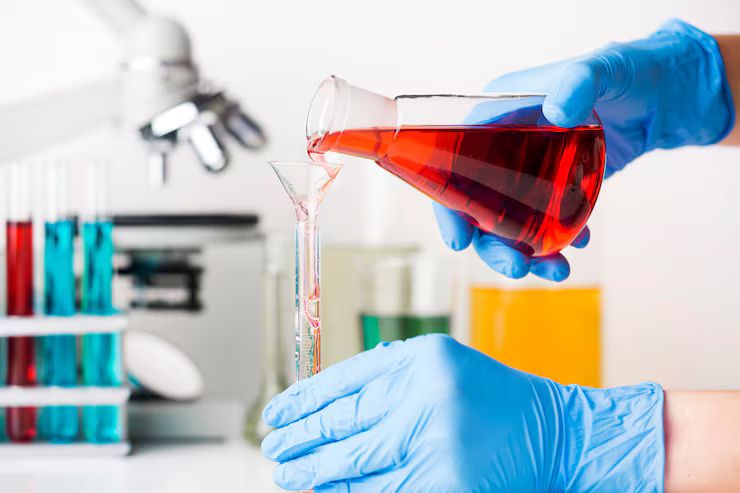
Importance – Why HPLC Matters Today
HPLC plays a crucial role in delivering accurate and repeatable analytical results. Its ability to separate and identify compounds makes it essential in multiple industries.
In the pharmaceutical sector, HPLC ensures drug safety by identifying impurities and verifying active ingredients. This helps maintain strict quality standards and protects public health.
Environmental scientists use HPLC to detect pollutants in water, soil, and air. It supports monitoring efforts and helps organizations comply with environmental regulations.
Food and beverage industries rely on HPLC to test additives, preservatives, and nutritional content. It ensures that products meet safety guidelines and labeling requirements.
Healthcare laboratories also use HPLC for diagnostic testing, including biomarker analysis and disease detection.
Key Problems HPLC Solves
-
Accurate identification of complex chemical mixtures
-
Detection of trace-level substances
-
Ensuring compliance with safety and quality standards
-
Supporting research and innovation across industries
Recent Updates – Trends and Developments in HPLC
Recent advancements in HPLC technology have significantly improved efficiency and accuracy. One major development is the growing adoption of Ultra-High Performance Liquid Chromatography (UHPLC), which operates at higher pressures for faster and more precise analysis.
Artificial intelligence and automation are also transforming HPLC systems. Modern software can optimize methods, detect errors, and process data more efficiently, reducing manual workload.
Green chromatography is another emerging trend. Researchers are focusing on reducing solvent usage and adopting environmentally friendly practices.
Portable HPLC systems are gaining popularity as well. These compact devices allow on-site analysis, particularly useful in environmental monitoring and food safety inspections.
Key Trends in HPLC
| Trend | Description | Impact on Labs |
|---|
| UHPLC Adoption | Higher pressure for faster analysis | Increased productivity |
| AI Integration | Smart automation and data analysis | Improved accuracy |
| Green Chemistry Practices | Reduced solvent use and waste | Environmental sustainability |
| Portable HPLC Systems | Compact systems for field testing | Greater flexibility |
Laws or Policies – Regulatory Framework and Compliance
HPLC is closely tied to regulatory standards, especially in industries where safety is critical. Pharmaceutical testing must follow strict guidelines set by regulatory authorities to ensure accuracy and reliability.
Good Laboratory Practice (GLP) and Good Manufacturing Practice (GMP) are key frameworks that govern how HPLC is used. These standards ensure proper documentation, validation, and monitoring of laboratory processes.
Environmental regulations also require accurate analytical methods like HPLC to monitor contaminants. Government agencies set limits for pollutants, and HPLC helps ensure compliance.
Food safety regulations mandate testing of additives, toxins, and residues. HPLC is widely used to meet these requirements and protect consumers.
Data integrity is another important factor. Laboratories must maintain secure, accurate, and traceable records of all HPLC analyses.
Tools and Resources – Supporting HPLC Workflows
Various tools and resources support efficient HPLC operations. These tools enhance accuracy, streamline workflows, and improve data management.
Common Tools Used in HPLC
-
Chromatography data software for analysis and reporting
-
Method development tools for optimizing separation conditions
-
Laboratory Information Management Systems (LIMS)
-
Calibration standards and reference materials
-
Chemical databases for compound identification
Useful HPLC Resources
| Tool/Resource Type | Purpose |
|---|
| Data Analysis Software | Process and interpret chromatographic data |
| Method Optimization Tools | Improve separation efficiency |
| LIMS Platforms | Manage workflows and laboratory records |
| Chemical Databases | Access compound information |
| Training Platforms | Learn techniques and best practices |
Educational platforms and scientific journals also help professionals stay updated with the latest advancements in chromatography.
FAQs – Common Questions About HPLC
What is the main purpose of HPLC?
HPLC is used to separate, identify, and quantify components in a mixture. It is widely applied in research, pharmaceuticals, and environmental analysis.
How is HPLC different from traditional chromatography?
HPLC uses high pressure to move the sample through the column, resulting in faster and more accurate separation compared to traditional methods.
What types of detectors are used in HPLC?
Common detectors include UV-visible detectors, fluorescence detectors, and mass spectrometry detectors. The choice depends on the specific analysis.
Is HPLC suitable for all types of samples?
HPLC is versatile but works best for compounds that dissolve in liquid solvents. Some samples may require preparation before analysis.
What are the key components of an HPLC system?
An HPLC system includes a solvent reservoir, pump, injector, column, detector, and data analysis software.
Conclusion – The Role of HPLC in Modern Science
High-Performance Liquid Chromatography remains a cornerstone of modern analytical science. Its precision and reliability make it essential across industries such as pharmaceuticals, environmental science, and healthcare.
With advancements like automation, artificial intelligence, and portable systems, HPLC continues to evolve. These innovations improve efficiency and expand its applications in real-world scenarios.
Strict regulatory standards ensure that HPLC delivers trustworthy results. From ensuring drug safety to monitoring environmental pollutants, HPLC plays a vital role in improving quality of life and advancing scientific research.