LPG Filling Stations Overview: Safety Systems, Operations, and Modern Infrastructure Insights
Liquefied Petroleum Gas (LPG) filling stations are specialized facilities designed to store, handle, and dispense LPG for vehicles, cylinders, and industrial applications. LPG is a widely used alternative fuel made primarily from propane and butane. Because it can be easily liquefied under pressure, LPG is efficient to transport and store, making it an important part of the global energy infrastructure.
These stations are built with carefully designed storage tanks, pipelines, pumps, and safety monitoring systems to ensure that LPG can be transferred safely. The facilities are typically connected to fuel distribution networks that supply gas to residential users, commercial kitchens, industries, and LPG-powered vehicles.
Unlike traditional petrol stations, LPG filling stations must manage pressurized fuel storage and temperature-sensitive equipment. This requires specific operational procedures and trained personnel who understand gas handling practices and safety standards.
Context
LPG filling stations exist to support the distribution and accessibility of LPG as an energy source. LPG is commonly used in households for cooking, in vehicles as an alternative fuel, and in industries for heating and manufacturing processes.
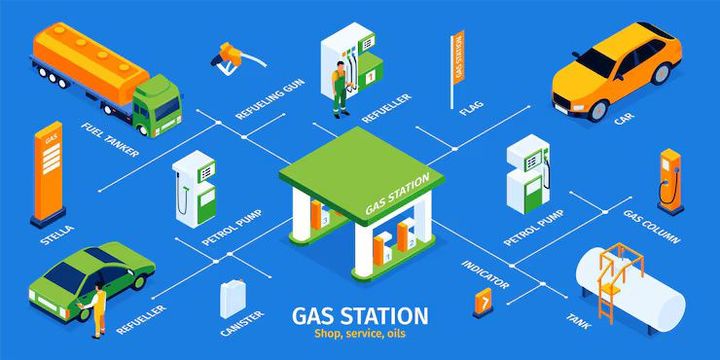
A typical LPG filling station includes several key components:
| Component | Purpose |
|---|---|
| Storage Tanks | Hold liquefied petroleum gas under pressure |
| Dispensers | Deliver LPG to vehicles or cylinders |
| Compressors and Pumps | Transfer LPG from storage to dispensing systems |
| Safety Valves | Control pressure and prevent gas leaks |
| Monitoring Systems | Track pressure, temperature, and fuel levels |
These facilities are designed to ensure smooth distribution while maintaining strict safety conditions. Because LPG is stored under pressure, stations are built using materials and engineering standards that reduce risks associated with leaks or over-pressurization.
LPG filling stations can vary in size and capacity depending on the region and demand. Some stations serve residential cylinder distribution, while others are dedicated to automotive LPG refueling.
Importance
LPG filling stations play a key role in modern energy systems. They support energy access, fuel diversification, and cleaner transportation alternatives.
Several reasons explain why these stations are important today:
• Cleaner fuel alternative – LPG produces fewer emissions compared with some conventional fuels, which helps reduce urban air pollution.
• Energy accessibility – LPG infrastructure allows households and small businesses to access reliable cooking and heating energy.
• Support for alternative vehicles – Many taxis, delivery vehicles, and public transport fleets use LPG to reduce fuel emissions.
• Energy storage efficiency – Because LPG can be stored in pressurized tanks, it is easier to transport to areas without natural gas pipelines.
• Industrial energy supply – Manufacturing, agriculture, and food processing industries rely on LPG for heating and process operations.
The infrastructure around LPG distribution also supports emergency energy supply systems. During power outages or disruptions in other fuels, LPG storage can provide backup energy for cooking or heating.
Another important role of LPG stations is supporting rural energy distribution. In many regions, LPG cylinders are filled at central stations and transported to households through distribution networks.
Safety Systems and Operational Practices
LPG filling stations operate with strict safety procedures because LPG is stored under pressure and can ignite if released in high concentrations. Modern stations rely on a combination of engineering design and operational monitoring.
Some commonly used safety systems include:
| Safety System | Function |
|---|---|
| Pressure Relief Valves | Release excess pressure from tanks |
| Gas Leak Detectors | Identify LPG leaks quickly |
| Emergency Shutoff Systems | Stop gas flow during emergencies |
| Fire Suppression Equipment | Control fires if ignition occurs |
| Ventilation Systems | Prevent gas accumulation |
Operators also follow operational practices such as:
• Regular inspection of storage tanks and pipelines
• Monitoring fuel pressure and temperature levels
• Controlled filling procedures for LPG cylinders
• Clear safety zones around storage tanks
• Staff training in emergency response procedures
Many stations also maintain digital monitoring systems that track fuel levels and equipment performance in real time.
Recent Updates
LPG infrastructure has seen several technological and regulatory developments during the past year.
In 2024, several energy agencies introduced updates focused on improving LPG safety monitoring and expanding alternative fuel infrastructure. These changes aim to support cleaner transportation and safer energy distribution.
Key developments include:
• 2024 infrastructure modernization programs in several countries encouraged the upgrade of older LPG stations with digital monitoring sensors and automated safety shutoff systems.
• Early 2025 transportation initiatives promoted LPG-powered vehicle fleets in urban areas as part of air quality improvement strategies.
• 2025 smart monitoring systems were introduced in some facilities, using Internet of Things (IoT) sensors to monitor tank pressure, gas flow, and equipment health remotely.
• Expansion of LPG auto-fueling stations continued in developing regions where LPG vehicles are widely used for taxis and commercial transportation.
These developments show a growing focus on modernizing fuel infrastructure and improving operational transparency through digital monitoring systems.
Laws or Policies
LPG filling stations operate under strict regulations to ensure public safety and environmental protection. These rules govern how LPG is stored, transported, and dispensed.
In India, LPG operations are influenced by several regulatory frameworks:
• Petroleum and Explosives Safety Organisation (PESO) regulations that define safety standards for LPG storage tanks and dispensing facilities.
• Gas Cylinder Rules that regulate filling, testing, and handling of LPG cylinders.
• Environment and safety compliance requirements that ensure stations meet hazard management and emergency planning standards.
Government programs promoting cleaner fuels also influence LPG infrastructure. Policies supporting alternative fuels encourage the development of LPG auto-fueling stations to diversify transportation energy sources.
Operators must also follow inspection schedules, safety audits, and certification processes to ensure compliance with national safety regulations.
Tools and Resources
Various tools and digital resources help operators, researchers, and policymakers manage LPG filling station operations and planning.
Useful tools and resources include:
• Fuel consumption calculators used to estimate LPG usage for vehicles or industrial applications
• Safety inspection templates that help operators conduct regular equipment checks
• LPG tank pressure monitoring dashboards used in modern stations for digital monitoring
• Energy data portals that track LPG consumption and infrastructure growth
• Industry training manuals that explain safe LPG handling practices
Some organizations also provide online safety guidelines and training materials that explain safe fuel handling and emergency procedures.
These resources support both operational management and public awareness regarding LPG infrastructure.
Frequently Asked Questions
What is an LPG filling station used for?
An LPG filling station stores liquefied petroleum gas and dispenses it to vehicles or cylinders. It acts as a distribution point within the fuel supply network.
Is LPG safe to store in large tanks?
Yes. LPG tanks are designed to withstand high pressure and include safety valves, monitoring systems, and strict inspection standards to ensure safe storage.
How is LPG different from petrol or diesel fuel?
LPG is stored as a liquid under pressure but vaporizes when released. It is often used as an alternative vehicle fuel and for cooking or industrial heating.
Do LPG filling stations require special safety equipment?
Yes. Stations include gas detectors, pressure relief systems, emergency shutdown controls, and fire suppression equipment to manage potential risks.
Why are LPG vehicles used in some cities?
LPG-powered vehicles can produce lower emissions compared with some conventional fuels, which helps reduce urban air pollution.
Conclusion
LPG filling stations are an important part of modern fuel infrastructure. They enable the safe storage and distribution of liquefied petroleum gas for households, industries, and transportation systems.
Through specialized storage tanks, monitoring systems, and safety equipment, these stations manage pressurized fuel while maintaining strict operational standards. Their role has become increasingly important as countries explore diversified energy options and cleaner transportation fuels.
Recent infrastructure upgrades, digital monitoring technologies, and regulatory updates show that LPG distribution systems continue to evolve. These developments aim to improve safety, efficiency, and accessibility in energy supply networks.