Machine Vision Systems Explained: Applications in Modern Manufacturing
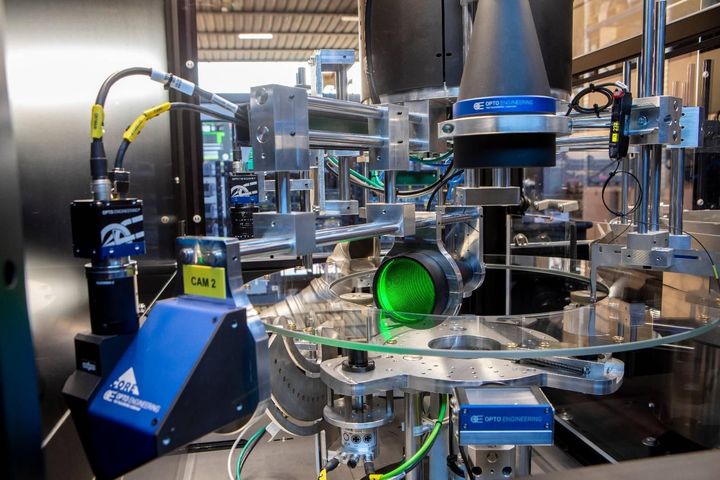
Machine vision systems use cameras, lighting, sensors, image-processing software, and artificial intelligence to help machines interpret visual information. In manufacturing, these systems examine products, components, machines, and production processes to identify patterns, defects, measurements, and changes.
The basic idea is simple. A camera captures an image, software analyzes the visual data, and the system produces information that can support a manufacturing decision. Depending on the application, the system may check whether a component has the correct shape, identify surface damage, verify assembly, read printed codes, or guide a robotic arm.
Machine vision exists because modern production environments require consistent inspection and accurate data. Human inspection remains important, but visual checking can become difficult when production runs continuously, products move quickly, or very small differences must be identified.
A typical machine vision system includes several important elements:
- Industrial cameras for capturing images
- Lighting systems for improving image clarity
- Lenses for controlling focus and viewing angles
- Sensors for detecting objects and movement
- Image-processing software for analyzing visual information
- Artificial intelligence and machine learning models for complex recognition tasks
- Industrial computers or edge devices for processing data
- Communication interfaces for connecting with production equipment
Traditional machine vision generally follows predefined rules. For example, software may check whether an object is within a specific size range. Modern AI-based vision systems can learn from image datasets and recognize more complex patterns, including variations that are difficult to describe through simple rules.
This combination of cameras, computing, automation, and AI has made machine vision an important part of smart manufacturing.
Why Machine Vision Matters in Modern Manufacturing
Manufacturing companies operate in environments where quality, consistency, safety, and production efficiency are closely connected. A small defect can affect later production stages, product reliability, or customer satisfaction. Machine vision systems help manufacturers collect visual information earlier in the process.
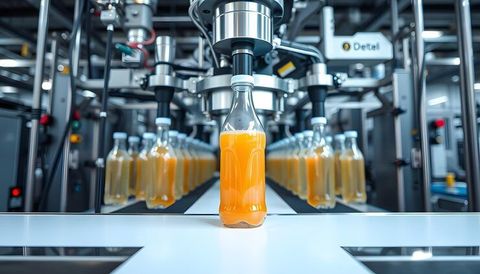
One important application is automated quality inspection. Vision systems can examine surfaces, dimensions, labels, colors, shapes, and assembly conditions. They can support inspection of products such as electronics, automotive components, food packaging, pharmaceuticals, metal parts, and consumer products.
Machine vision also helps address the limitations of manual inspection. Human inspectors can experience fatigue, especially when checking large numbers of similar products. Automated visual systems can perform repetitive inspections with consistent operating rules.
The technology affects several groups within manufacturing:
- Production teams that monitor product quality
- Engineers who design inspection and automation processes
- Maintenance teams that monitor equipment conditions
- Quality departments that analyze defects and production trends
- Robotics teams that use visual guidance for automated movement
- Managers who need reliable production data for decision-making
Machine vision can also support traceability. Images and inspection results may be connected with production records, allowing teams to study when and where a problem appeared.
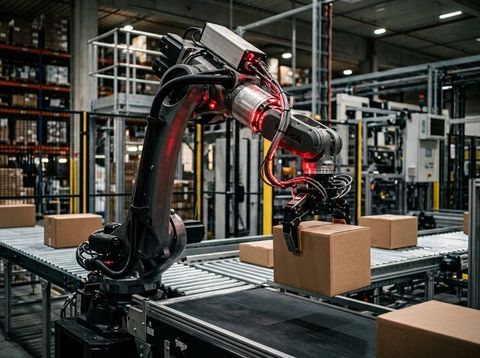
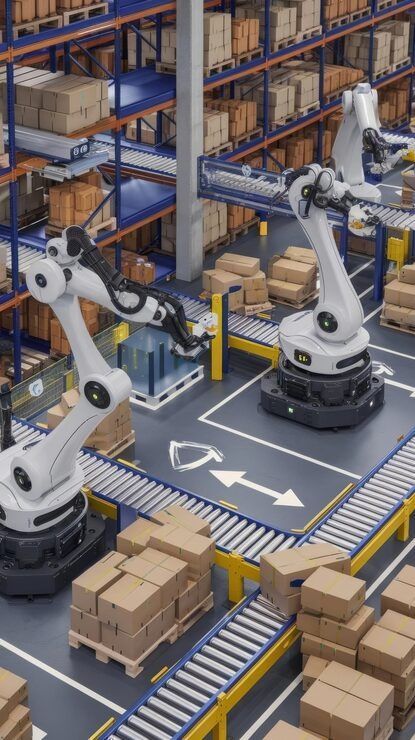
Another important use is robotic guidance. A robot may need to identify the position, orientation, or shape of an object before handling it. Machine vision can provide the visual information required for more flexible robotic operations.
The technology is also becoming more important in smart factories. Vision systems can connect with sensors, industrial networks, digital twins, and analytics platforms. This creates a wider flow of information across the production environment.
However, machine vision is not a perfect replacement for human judgment. Poor lighting, unusual product variations, incorrect training data, camera movement, or software errors can affect results. The best systems are designed with testing, monitoring, human review, and clear performance standards.
Recent Developments in Machine Vision and AI
Machine vision has experienced significant development during the past year, especially through advances in artificial intelligence and smart manufacturing.
In July 2026, the U.S. National Institute of Standards and Technology published a roadmap focused on artificial intelligence and machine learning for smart manufacturing. The roadmap highlighted advanced sensing and perception, robotics, digital twins, industrial data, explainable AI, and connected manufacturing as important areas of development. These themes are closely connected to the evolution of modern machine vision systems.
A major trend is the movement from rule-based inspection toward AI-assisted visual analysis. Traditional systems may require engineers to define many specific conditions. AI-based systems can analyze large image datasets and identify patterns that are more difficult to describe manually.
Another trend is the development of edge AI. Instead of sending every image to a distant data center, some systems process visual information directly near the camera or production line. This can support faster decision-making and reduce dependence on continuous network communication.
Machine vision is also becoming more connected with robotics. Recent industrial developments show growing interest in AI-enabled robots that can identify objects, interpret visual environments, and adapt to more complex tasks.
Digital twins are another important development. A digital twin creates a digital representation of a physical process or asset. When machine vision data is connected to this digital model, manufacturers can better understand production conditions and investigate changes over time.
The 2026 smart manufacturing roadmap also identified advanced digital twins, foundation models, explainable AI, physics-informed AI, and data-centric approaches as emerging directions for industrial AI.
These developments show that machine vision is moving beyond simple image inspection. It is increasingly becoming part of a larger industrial intelligence ecosystem.
Laws, Standards, and AI Policies Affecting Machine Vision
The rules affecting machine vision depend on the country, industry, and purpose of the system. A simple inspection camera used to identify defects may have different regulatory considerations from an AI system used in healthcare, employment, security, or safety-critical environments.
In the European Union, the AI Act is an important framework for organizations using artificial intelligence. The regulation entered into force in August 2024, with different requirements applying on different dates. Prohibited AI practices and AI literacy obligations began applying in February 2025, while other obligations have later timelines. The European Commission has also continued to clarify implementation and transition arrangements.
A machine vision system may require additional assessment when it is used in a regulated product or a high-risk environment. The exact classification depends on the system's purpose and the relevant legal framework.
In the United States, the NIST AI Risk Management Framework provides voluntary guidance for managing risks connected with AI systems. It focuses on trustworthy AI practices, including risk identification, evaluation, monitoring, and governance. NIST is also developing additional work related to trustworthy AI in critical infrastructure, with a concept note released in April 2026.
Manufacturers should also consider existing industrial safety, product quality, data protection, cybersecurity, and sector-specific requirements. A camera system that captures people, for example, may create privacy considerations depending on the location and type of data collected.
Important policy considerations include:
- Protecting personal and sensitive data
- Documenting how AI systems are tested
- Monitoring system performance over time
- Maintaining appropriate human oversight
- Keeping records of important system decisions
- Reviewing cybersecurity risks
- Checking sector-specific regulations
Organizations should not assume that a machine vision system is automatically compliant simply because it is used in a factory. The correct requirements depend on the technology, application, location, and industry.
Tools and Resources for Machine Vision Learning
People researching machine vision can use a variety of general tools and learning resources. The right selection depends on whether the goal is education, system development, image analysis, or industrial planning.
Helpful resources include:
- Image annotation tools for preparing training datasets
- Computer vision libraries for image processing and object recognition
- Camera and lens calculators for understanding field of view
- Lighting design guides for industrial inspection
- Measurement and calibration tools
- Machine learning evaluation templates
- Data quality checklists
- AI risk assessment frameworks
- Industrial automation documentation
- Digital twin planning templates
- Image dataset management tools
- Computer vision training courses and technical documentation
A basic machine vision project often follows a structured workflow:
- Define the inspection or recognition problem.
- Select suitable cameras and lighting.
- Collect representative image data.
- Prepare and label the dataset when AI is used.
- Develop the image-processing or AI model.
- Test the system using different product conditions.
- Measure accuracy and failure cases.
- Connect the system with the production process.
- Monitor performance after deployment.
The most important resource is often reliable data. A system trained only on ideal images may struggle with real-world changes such as dust, reflections, shadows, product variation, and camera movement.
Frequently Asked Questions About Machine Vision Systems
What is a machine vision system?
A machine vision system uses cameras, lighting, sensors, and software to capture and analyze visual information. In manufacturing, it can support inspection, measurement, identification, tracking, and robotic guidance.
How is machine vision different from computer vision?
Computer vision is a broad field focused on helping computers interpret images and video. Machine vision usually refers to the industrial application of computer vision within automated production, inspection, measurement, and control systems.
Can machine vision use artificial intelligence?
Yes. Modern machine vision systems can use machine learning and deep learning to recognize objects, identify defects, classify products, and analyze complex visual patterns. Traditional rule-based image processing is also still widely used.
What industries use machine vision?
Machine vision is used across automotive manufacturing, electronics, food production, pharmaceuticals, packaging, metal processing, logistics, textiles, and many other industrial areas.
What are the main challenges of machine vision?
Common challenges include poor lighting, reflections, inconsistent product appearance, limited training data, incorrect camera positioning, system integration, cybersecurity concerns, and the need for continuous performance monitoring.
Conclusion
Machine vision systems have become an important technology in modern manufacturing because they connect visual information with automated decision-making. From quality inspection and measurement to robotic guidance and smart factory analytics, these systems support many industrial processes.