Mine Ventilation Systems: From Fresh Air to Controlled Airflow
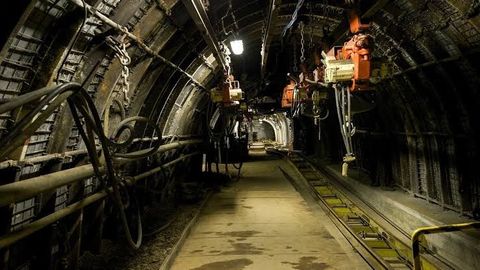
Underground mining requires carefully managed airflow to maintain suitable working conditions throughout tunnels, shafts, production areas, and other underground spaces.
Mine Ventilation Systems provide a controlled path for fresh air to enter underground workings while helping remove heat, dust, fumes, gases, and other airborne contaminants.
A modern ventilation network can combine main fans, auxiliary fans, ventilation ducts, regulators, doors, airways, sensors, and automated control systems. The configuration depends on mine depth, layout, production activities, geology, equipment, airflow requirements, and applicable safety regulations.
What Are Mine Ventilation Systems?
Mine Ventilation Systems are engineered networks designed to control the movement and quality of air throughout an underground mine.
A complete system can include:
- Main ventilation fans
- Auxiliary fans
- Ventilation ducts
- Air shafts
- Exhaust airways
- Ventilation regulators
- Ventilation doors
- Air crossings
- Gas monitoring sensors
- Airflow measurement equipment
- Automated ventilation controls
The objective is to deliver sufficient airflow to working areas while directing contaminated or heated air toward designated return routes.
Why Mine Ventilation Matters
Mining operations can introduce airborne contaminants through blasting, drilling, diesel equipment, mineral handling, and other activities. Underground workings can also accumulate heat and naturally occurring gases depending on the geological environment.
A properly designed ventilation network helps manage these conditions by controlling airflow paths and continuously supplying fresh air.
Important functions include:
- Supplying fresh air
- Removing contaminated air
- Controlling airborne dust
- Managing heat
- Diluting gases
- Supporting underground equipment operation
- Maintaining appropriate airflow distribution
- Monitoring changing environmental conditions
From Fresh Air to Controlled Airflow
A mine ventilation process generally follows several stages.
1. Fresh-Air Intake
Fresh air enters the mine through dedicated intake shafts, portals, raises, or other designated openings.
Main fans and pressure differences help establish the required airflow through the underground network.
The intake system must be designed to minimize contamination of incoming air.
2. Main Air Movement
Main ventilation fans create the pressure difference required to move air through the mine.
Depending on the mine design, fans may operate in an exhausting or forcing configuration.
The fan system must overcome resistance created by shafts, tunnels, bends, regulators, doors, ducts, and other components.
3. Air Distribution
Once air enters the underground network, it is directed toward working areas through designated airways.
Ventilation regulators, doors, stoppings, and air crossings help control where air flows.
Proper distribution is important because some working areas may require greater airflow than others.
4. Auxiliary Ventilation
Development headings and other areas that are not directly connected to the primary ventilation network may require auxiliary ventilation.
Auxiliary fans push or pull air through flexible or rigid ducts to extend ventilation into these areas.
This arrangement is commonly used in tunnels, headings, raises, and other advancing underground workings.
5. Contaminant Dilution
Mining activities can generate dust, diesel exhaust, fumes, and gases.
Ventilation airflow dilutes these contaminants and transports them toward return airways.
The required airflow depends on the mining activity, equipment, mine geometry, contaminant generation, and applicable requirements.
6. Heat Management
Temperature can increase with mine depth and equipment operation.
Ventilation removes heat generated by machinery, rock formations, electrical equipment, and other underground activities.
In deeper operations, ventilation may work alongside refrigeration and air-cooling systems.
7. Return-Air Movement
After passing through working areas, air moves into designated return airways.
Return air is directed toward exhaust shafts or other controlled outlets.
Separating intake and return pathways helps prevent contaminated air from recirculating into active working areas.
8. Continuous Monitoring
Modern ventilation networks use sensors and monitoring equipment to measure operating conditions.
Monitoring may include:
- Air velocity
- Airflow volume
- Temperature
- Pressure
- Humidity
- Gas concentrations
- Fan performance
- Equipment status
Data can be displayed through centralized monitoring systems for operational control.
Major Types of Mine Ventilation Systems
Different ventilation configurations are used depending on mine design and operating requirements.
| System Type | Main Characteristic | Typical Application |
|---|---|---|
| Exhaust ventilation | Removes air through return routes | Large underground mines |
| Forcing ventilation | Pushes fresh air into workings | Selected underground areas |
| Auxiliary ventilation | Extends airflow using ducts | Development headings |
| Combined ventilation | Uses multiple airflow strategies | Complex mine networks |
| Local ventilation | Focuses on specific work areas | Tunnels and headings |
| Controlled ventilation | Uses automated monitoring | Modern underground operations |
Main Mine Ventilation Fans
Main fans provide the pressure and airflow needed to move air through the primary mine network.
Fan selection depends on factors such as:
- Required airflow
- Total system resistance
- Pressure requirements
- Mine depth
- Network configuration
- Operating conditions
- Energy efficiency
Axial and centrifugal fan configurations may be used depending on the application.
Axial Fans
Axial fans move air parallel to the fan shaft.
They can provide high airflow and are used in various mining ventilation applications.
Centrifugal Fans
Centrifugal fans change the direction of airflow through a rotating impeller.
They can generate significant pressure and may be suitable for systems with substantial resistance.
Auxiliary Mine Ventilation
Auxiliary ventilation is important when working areas are far from the main ventilation network.
An auxiliary system commonly consists of:
- Auxiliary fan
- Ventilation duct
- Duct supports
- Airflow controls
- Monitoring equipment
Duct arrangement can be configured as forcing, exhausting, or combination ventilation depending on the application.
The objective is to deliver suitable airflow to the working face and remove contaminated air effectively.
Ventilation Ducting
Ventilation ducts provide a controlled pathway for air movement.
Flexible ducts are commonly used in developing headings because they can be extended as the working face advances.
Rigid ducts may be used where more permanent airflow infrastructure is required.
Important duct characteristics include:
- Diameter
- Length
- Material
- Leakage characteristics
- Pressure resistance
- Installation configuration
Duct leakage can reduce the amount of air reaching the intended working area, making installation quality important.
Ventilation Controls
A mine's airflow distribution can be managed through several physical control devices.
Regulators
Regulators control the resistance of specific airways and help distribute airflow throughout the network.
Ventilation Doors
Doors can separate airways and control movement between different underground areas.
Stoppings
Stoppings create barriers that prevent unwanted air movement and maintain designated ventilation paths.
Air Crossings
Air crossings allow intake and return airways to pass each other while limiting unwanted mixing.
Mine Ventilation Monitoring Systems
Monitoring technologies provide information about ventilation performance.
Sensors may measure:
- Air velocity
- Air pressure
- Temperature
- Carbon monoxide
- Methane
- Oxygen
- Other gases relevant to the mining environment
Fixed sensors can provide continuous data, while portable instruments can support local inspections.
Mine Ventilation Automation
Modern mines can use ventilation-on-demand systems to adjust airflow according to operating conditions.
Automation can integrate:
- Fan-speed controls
- Vehicle or equipment tracking
- Airflow sensors
- Gas sensors
- Temperature sensors
- Central control systems
- Automated regulators
For example, airflow can be adjusted when equipment enters or leaves a particular zone, subject to the mine's engineered control strategy and applicable requirements.
Mine Ventilation Systems Comparison
| Component | Primary Function | Typical Role |
|---|---|---|
| Main fan | Generate system airflow | Primary ventilation |
| Auxiliary fan | Extend ventilation | Development areas |
| Ducting | Transport air | Local ventilation |
| Regulator | Control airflow distribution | Network balancing |
| Door | Separate airways | Airflow management |
| Stopping | Block unwanted airflow | Ventilation separation |
| Airflow sensor | Measure air movement | Monitoring |
| Gas sensor | Detect atmospheric changes | Environmental monitoring |
| Control system | Coordinate ventilation | Automation |
How to Design Mine Ventilation Systems
Ventilation design requires analysis of the complete underground network.
Mine Layout
The location and geometry of shafts, tunnels, production areas, development headings, and return airways influence airflow paths.
Airflow Requirements
Engineers determine the required airflow based on mining activities, equipment, contaminants, heat, and applicable requirements.
Ventilation Resistance
Every airway creates resistance to airflow. Longer routes, smaller openings, bends, doors, regulators, and ducting can increase system resistance.
Fan Selection
Fans must provide appropriate pressure and airflow while operating efficiently across expected conditions.
Future Expansion
Ventilation systems should consider planned mine development so that airflow capacity can adapt as the underground network changes.
Energy Efficiency
Ventilation can represent a significant portion of underground mine energy consumption.
Several approaches can improve efficiency:
- Variable-speed fan control
- Ventilation-on-demand systems
- Airflow monitoring
- Network optimization
- Leakage reduction
- Efficient fan selection
- Automated ventilation controls
Reducing unnecessary airflow in areas that are inactive can help improve energy management when consistent with the engineered ventilation plan.
Maintenance Best Practices
Inspect Main Fans
Fan blades, bearings, motors, vibration levels, and control systems should be inspected according to established maintenance procedures.
Check Ducting
Flexible and rigid ducts should be checked for tears, damage, loose connections, and leakage.
Calibrate Sensors
Airflow, pressure, temperature, and gas-monitoring sensors should be maintained and calibrated according to applicable procedures.
Inspect Ventilation Controls
Doors, regulators, stoppings, and air crossings should be inspected to ensure they maintain the intended airflow paths.
Monitor Fan Performance
Changes in airflow, pressure, vibration, or power consumption can indicate developing equipment problems.
Frequently Asked Questions
What are Mine Ventilation Systems?
Mine Ventilation Systems are engineered networks that control airflow through underground mines to supply fresh air and remove heat, dust, fumes, and gases.
What equipment is used in mine ventilation?
Common equipment includes main fans, auxiliary fans, ventilation ducts, regulators, doors, stoppings, airflow sensors, gas-monitoring devices, and automated control systems.
What is auxiliary mine ventilation?
Auxiliary mine ventilation uses local fans and ducting to extend controlled airflow into development headings, tunnels, and other areas that are not adequately served by the primary ventilation network.
How do mine ventilation fans work?
Mine ventilation fans create a pressure difference that moves air through shafts, tunnels, airways, and return routes. Fan performance depends on airflow requirements and the resistance of the ventilation network.
What is ventilation-on-demand?
Ventilation-on-demand is an automated approach that adjusts ventilation according to changing operating conditions, such as equipment activity, environmental measurements, or occupancy of specific mine areas.
Conclusion
Mine Ventilation Systems provide the controlled airflow infrastructure required for underground mining environments. From fresh-air intake and main fans to auxiliary ducting, return-air routes, monitoring sensors, and automated controls, each component contributes to the overall ventilation network.
Effective ventilation design considers mine geometry, airflow requirements, system resistance, contaminant generation, heat, equipment activity, and future mine development. Main fans establish the primary airflow, while auxiliary systems extend ventilation into developing and localized work areas.
Modern monitoring and automation technologies are also changing how ventilation networks are managed. Sensors, variable-speed fans, ventilation-on-demand systems, and centralized controls can provide more responsive airflow management while supporting energy-efficiency objectives.