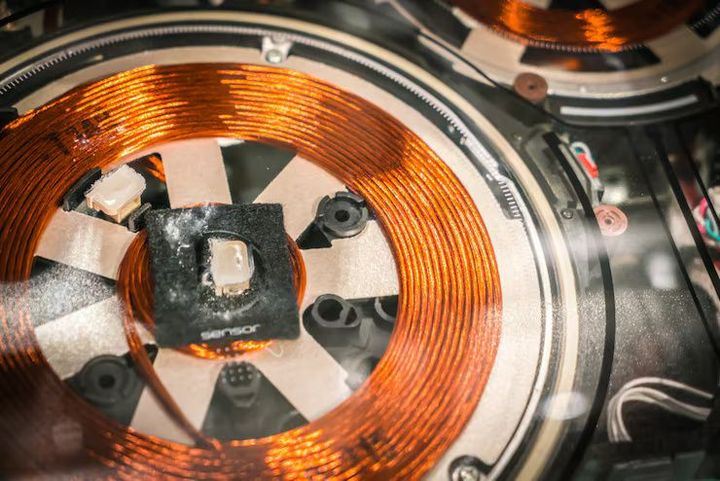
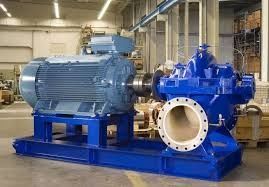
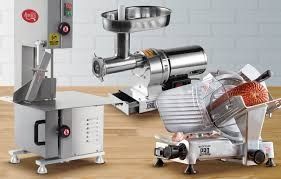
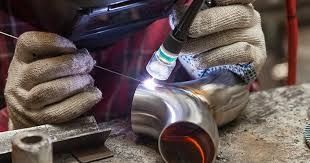
The need for motor winding machines comes from the growing use of electric motors across industries such as manufacturing, transportation, renewable energy, and household appliances. From small fans to large industrial systems, precise coil winding ensures efficiency and durability.
Motor winding can be performed manually or through automated systems. However, modern production increasingly relies on automated machines because they deliver higher speed, accuracy, and consistency.
Common Types of Motor Winding Machines
Different machines are designed to meet specific motor designs and production requirements:
-
Automatic coil winding machines
-
CNC winding machines
-
Needle winding machines
-
Toroidal winding machines
-
Armature winding machines
Why Motor Winding Machines Matter Today
Motor winding machines play a critical role in electrical manufacturing. They directly impact the efficiency, reliability, and lifespan of electric motors.
These machines are important because:
-
They improve production efficiency and reduce manual errors
-
They ensure consistent winding patterns
-
They support large-scale manufacturing
-
They help meet energy efficiency standards
Growing Industry Demand
The relevance of these machines is increasing due to several global trends:
-
Expansion of electric vehicles (EVs)
-
Growth of renewable energy systems
-
Increased adoption of smart appliances
-
Rising demand for energy-efficient motors
Without precise winding, motors may overheat, lose energy, or fail prematurely. High-quality winding ensures stable performance and reduced environmental impact.
Recent Trends and Developments in 2025
The motor winding machine industry has evolved rapidly in 2025, driven by automation and digital technologies. These advancements aim to improve quality, efficiency, and sustainability.
Key Innovations
Recent developments include:
-
AI-based systems for real-time defect detection
-
CNC-controlled machines for high precision
-
IoT-enabled monitoring systems
-
High-speed winding for mass production
Manufacturers are also using advanced software to track parameters such as winding tension, coil alignment, and production output. This helps improve quality control and reduce defects.
Industry Shifts
Another major trend is the rise of electric vehicle motor production. These motors require complex winding patterns, pushing the demand for advanced machines.
Energy-efficient machine designs and compact modular systems are also gaining popularity. These innovations help reduce power consumption and optimize factory space.
Regulatory Environment and Compliance Considerations
Motor winding machines must comply with safety, environmental, and quality standards. These regulations ensure safe operation and reliable output.
Key Regulatory Aspects
-
Electrical safety standards
-
Workplace safety guidelines
-
Environmental compliance rules
-
Energy efficiency requirements
Standards and Guidelines
In India, manufacturing is influenced by:
-
Bureau of Indian Standards (BIS)
-
Bureau of Energy Efficiency (BEE)
-
Factories Act safety regulations
Globally recognized standards include:
-
ISO 9001 for quality management
-
ISO 14001 for environmental management
-
IEC standards for electrical safety
Compliance helps manufacturers meet international requirements and ensures consistent product quality.
Tools and Resources for Motor Winding Applications
Modern motor winding processes rely on a range of digital tools and software solutions. These tools help design, automate, and optimize production workflows.
Common Tools
-
CAD software for coil design
-
CNC programming software
-
Electromagnetic simulation tools
-
Coil design calculators
-
Automation dashboards
-
Predictive maintenance software
Data Formats and Systems
-
CNC code (G-code) for machine control
-
Design files for coil geometry
-
Sensor data for monitoring performance
Comparison of Motor Winding Machine Types
| Machine Type | Application Area | Precision Level | Automation Level |
|---|
| Manual Winding Machine | Small-scale production | Moderate | Low |
| CNC Winding Machine | Industrial motor production | High | High |
| Needle Winding Machine | Compact motors | Very High | High |
| Toroidal Winding Machine | Transformers and inductors | High | Moderate |
Basic Motor Winding Workflow
-
Design coil structure using CAD tools
-
Input parameters into the machine
-
Load wire and adjust tension settings
-
Execute winding process
-
Inspect coil quality
Advanced systems may include sensors that monitor wire tension, speed, and consistency in real time.
Frequently Asked Questions About Motor Winding Machines
What is the main function of a motor winding machine?
A motor winding machine winds conductive wire into coils, forming the core of electric motors and enabling electromagnetic operation.
What materials are used in motor winding?
Copper and aluminum are commonly used due to their high electrical conductivity.
What is CNC winding technology?
CNC winding uses computer-controlled systems to automate the process, ensuring precision and repeatability.
Why is coil winding important?
It determines motor efficiency, power output, and thermal performance. Poor winding can lead to overheating and energy loss.
Which industries use motor winding machines?
-
Automotive
-
Renewable energy
-
Consumer electronics
-
Aerospace
-
Industrial manufacturing
Additional Insights on Performance and Efficiency
Motor winding quality directly affects energy efficiency. Well-designed coils reduce resistance and improve output.
Key Focus Areas
-
Uniform wire tension control
-
Accurate layer placement
-
Reduced material waste
-
High-speed precision operations
Performance Factors Overview
| Performance Factor | Impact on Motor Efficiency |
|---|
| Wire Tension Control | Prevents coil deformation |
| Winding Accuracy | Ensures consistent output |
| Material Quality | Improves conductivity |
| Automation Level | Enhances productivity |
These factors are essential for meeting modern industrial and energy efficiency standards.
Conclusion
Motor winding machines are essential for producing efficient and reliable electric motors. They enable precise coil formation, which directly impacts performance and durability.
With the growth of electric vehicles, renewable energy, and automation, their importance continues to rise. Technologies like CNC control, AI integration, and IoT connectivity are shaping the future of motor winding.
Regulatory compliance and advanced tools further enhance productivity and sustainability. As industries evolve, motor winding machines will remain a key component of modern electrical engineering.