Outdoor LED Screens: Essential Insights for Smart Investment Decisions
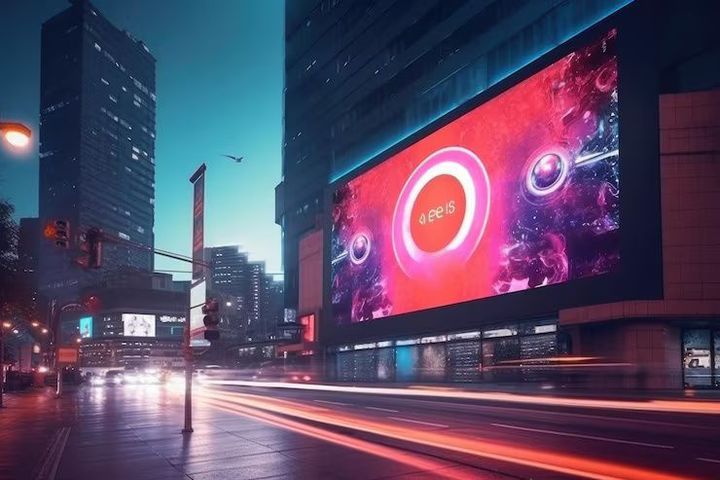
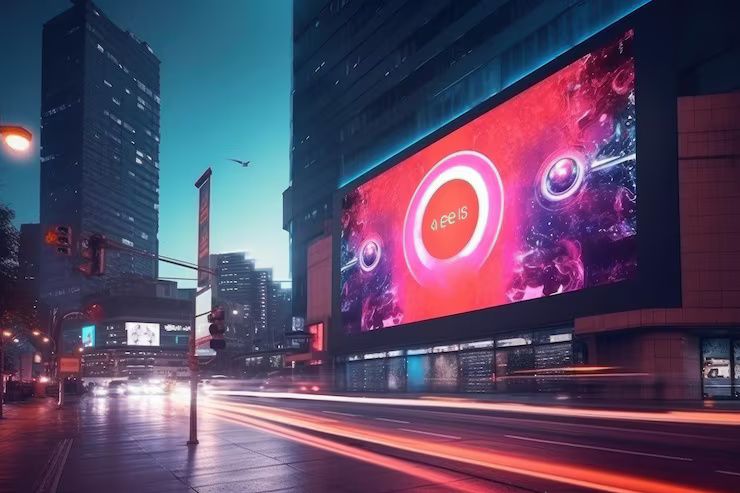
Outdoor LED screens are now a common sight in cities, stadiums, and public spaces. From large digital billboards to event displays, they help deliver bright and clear visuals even in daylight.
If you are exploring this technology, it’s important to understand how it works and what factors matter most. This guide explains everything in a simple and practical way so you can make informed decisions.
What Are Outdoor LED Screens?
Outdoor LED screens are digital displays made up of small light-emitting diodes (LEDs). These LEDs work together to show images, videos, and text with high brightness and clarity.
Unlike indoor screens, outdoor versions are built to handle weather conditions such as sunlight, rain, and dust. They are designed to stay visible and functional in open environments.
These screens are commonly used in:
- Public advertising spaces
- Sports arenas and stadiums
- Transportation hubs
- Outdoor events and concerts
- Shopping districts
They are known for their durability and ability to display dynamic content.
How Outdoor LED Screens Work
An outdoor LED screen is made of many tiny pixels. Each pixel contains red, green, and blue LEDs. By adjusting the brightness of these colors, the screen creates different images.
Pixel Pitch and Resolution
Pixel pitch refers to the distance between two pixels. It plays a major role in image clarity.
- Smaller pixel pitch means sharper images
- Larger pixel pitch is suitable for long-distance viewing
For example, a screen viewed from far away does not need very fine resolution. But for closer viewing, a tighter pixel pitch improves detail.
Brightness and Visibility
Outdoor LED screens are much brighter than indoor displays. This ensures visibility even under direct sunlight.
- High brightness levels improve readability
- Automatic brightness adjustment helps adapt to day and night conditions
This makes them reliable in changing lighting environments.
Key Features to Look For
Understanding the main features can help you evaluate different options more effectively. Each feature contributes to performance and long-term usability.
Weather Resistance
Outdoor screens must handle different weather conditions.
- Waterproof and dustproof design
- Protection against temperature changes
- Durable outer casing
These features ensure the screen continues to perform in harsh environments.
Viewing Angle
A wide viewing angle allows more people to see the screen clearly from different positions.
- Horizontal and vertical viewing angles matter
- Better angles improve audience reach
This is especially useful in crowded areas.
Energy Efficiency
Modern LED screens are designed to use energy efficiently.
- Lower power consumption compared to older technologies
- Smart brightness control reduces energy use
This helps maintain consistent performance over time.
Maintenance Design
Ease of maintenance is another important factor.
- Front or rear access panels
- Modular design for quick repairs
- Easy replacement of components
A well-designed system reduces downtime and keeps the display running smoothly.
Benefits of Outdoor LED Screens
Outdoor LED screens offer several advantages that make them popular across industries.
High Visibility
These screens are designed to stand out in bright environments. Their strong brightness ensures content remains clear during the day.
Dynamic Content Display
Unlike static displays, LED screens can show moving visuals.
- Videos, animations, and real-time updates
- Flexible content scheduling
This allows more engaging communication.
Long Lifespan
LED technology is known for durability.
- Long operational life
- Consistent performance over time
This makes it a reliable choice for long-term use.
Adaptability
Outdoor LED screens can be customized in size and shape.
- Suitable for different locations
- Flexible installation options
They can fit into various environments, from small setups to large displays.
Common Applications
Outdoor LED screens are used in many real-world situations. Their versatility makes them useful in both commercial and public spaces.
Advertising and Branding
Digital billboards are one of the most common uses.
- Eye-catching visuals attract attention
- Content can be updated easily
This makes them effective for communication in busy areas.
Sports and Entertainment
Stadiums and event venues rely heavily on LED screens.
- Live match displays
- Scoreboards and replays
- Concert visuals
They enhance the audience experience.
Public Information
LED screens are also used for sharing important updates.
- Traffic information
- Public announcements
- Emergency alerts
They help communicate quickly with large groups of people.
Factors to Consider Before Choosing
Before selecting an outdoor LED screen, it’s important to evaluate your specific needs. This helps ensure the screen performs well in its intended environment.
Location and Viewing Distance
Think about where the screen will be placed and how far viewers will be.
- Long-distance viewing needs larger pixel pitch
- Close viewing requires higher resolution
This affects both clarity and effectiveness.
Screen Size and Placement
The size of the screen should match the location.
- Large open areas need bigger displays
- Smaller spaces require compact designs
Proper placement ensures maximum visibility.
Environmental Conditions
Consider the climate and surroundings.
- High temperatures or heavy rain may affect performance
- Dust levels can impact maintenance
Choosing the right protection level is essential.
Content Requirements
Think about the type of content you plan to display.
- Static images vs. video content
- Frequency of updates
This helps determine the required performance level.
Maintenance and Care Tips
Regular maintenance helps keep outdoor LED screens in good condition. It also ensures consistent performance over time.
Routine Cleaning
Dust and dirt can affect display quality.
- Clean the screen surface regularly
- Use proper cleaning tools
This keeps visuals clear and bright.
System Checks
Regular inspections help identify issues early.
- Check connections and wiring
- Monitor performance levels
Early detection prevents bigger problems.
Software Updates
Keeping the control system updated improves functionality.
- Updates can enhance performance
- Helps fix minor issues
This ensures smooth operation.
Future Trends in Outdoor LED Technology
Outdoor LED technology continues to evolve. New developments are making screens more efficient and visually impressive.
Improved Resolution
Advancements in pixel technology are improving image quality. Even large outdoor screens can now display finer details.
Smarter Controls
Modern systems include smart control features.
- Remote monitoring
- Automated brightness adjustments
This makes management easier.
Energy Optimization
Energy-saving technologies are becoming more advanced.
- Better power efficiency
- Reduced environmental impact
This supports long-term sustainability.
Flexible Designs
New designs allow more creative installations.
- Curved and custom-shaped screens
- Lightweight structures
This expands the possibilities for different applications.
Conclusion
Outdoor LED screens have become an important part of modern communication. They offer bright visuals, flexible content options, and reliable performance in outdoor environments.
Understanding key features like pixel pitch, brightness, and durability can help you make smarter decisions. By considering your location, content needs, and maintenance requirements, you can ensure long-term effectiveness.
With ongoing advancements in technology, outdoor LED screens are becoming even more efficient and adaptable. Taking the time to learn about them now can help you stay prepared for future developments.