Plastic Extrusion Technology Guide: Understanding Modern Manufacturing Processes
Plastic extrusion technology is a manufacturing method used to create continuous plastic products with a fixed shape.
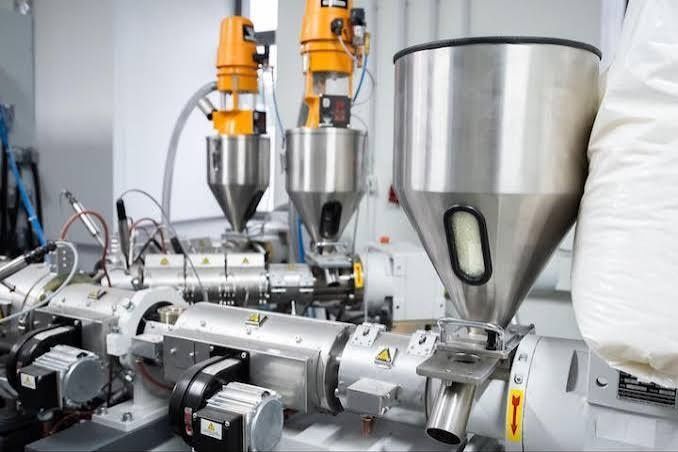
The process involves melting plastic material and pushing it through a specially designed opening called a die. As the material exits the die, it takes on the desired shape and is then cooled and cut to the required length.
The origins of the plastic extrusion process can be traced back to developments in polymer manufacturing during the twentieth century. As plastics became widely used in construction, packaging, transportation, and consumer goods, manufacturers needed efficient ways to produce large quantities of consistent products. Extrusion became one of the most widely used production methods because it supports continuous manufacturing.
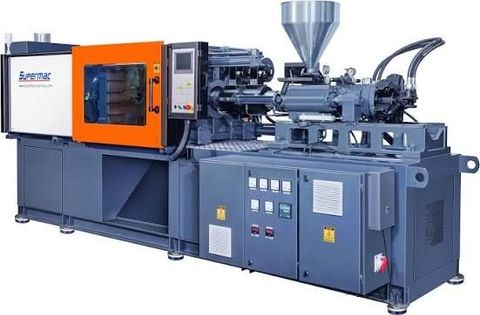
Today, plastic extrusion machines are used to produce a wide range of products, including pipes, sheets, films, profiles, tubing, cable insulation, and packaging materials. Modern plastic extrusion equipment has evolved significantly, incorporating advanced controls, sensors, and digital monitoring systems.
How the Plastic Extrusion Process Works
The plastic extrusion process generally follows several key steps:
- Raw material preparation – Plastic pellets, granules, or powders are prepared and fed into the machine.
- Material melting – The material moves through a heated barrel where it melts under controlled temperatures.
- Extrusion through a die – A rotating screw pushes the molten plastic through a specially designed die.
- Cooling and shaping – The extruded product is cooled using air, water, or specialized cooling systems.
- Cutting and finishing – The final product is cut, wound, or processed according to production requirements.
Different materials require different temperature settings, screw designs, and processing conditions to achieve consistent quality.
Common Types of Extrusion Equipment
Plastic extrusion equipment is available in several configurations depending on the intended product.
| Equipment Type | Typical Output |
|---|---|
| Plastic pipe extrusion machines | Water pipes, drainage pipes, conduit pipes |
| Plastic sheet extrusion equipment | Plastic sheets, packaging sheets |
| Plastic profile extrusion systems | Window frames, trims, channels |
| Film extrusion systems | Flexible packaging films |
| Tubing extrusion machines | Medical and industrial tubing |
| Cable extrusion equipment | Wire and cable insulation |
Each system is designed to handle specific materials and production requirements.
Importance
Why Plastic Extrusion Matters Today
Plastic products are present in many aspects of daily life. From water distribution systems to food packaging and electrical infrastructure, extruded plastic components support modern living and industrial development.
Plastic extrusion technology allows manufacturers to create long, continuous products with consistent dimensions. This consistency is important for applications where reliability and uniformity are required.
Industries That Depend on Extrusion
Many sectors rely on extrusion-based manufacturing.
- Construction uses plastic pipes, window profiles, and insulation materials.
- Packaging uses films, sheets, and protective materials.
- Automotive manufacturing uses trims, seals, and tubing.
- Electrical industries use cable insulation and protective coverings.
- Agriculture uses irrigation pipes and greenhouse films.
The versatility of extrusion enables the production of products in different sizes, shapes, and material combinations.
Benefits of Continuous Manufacturing
Compared with some other manufacturing methods, extrusion supports continuous production. This allows manufacturers to produce long lengths of material without repeatedly restarting equipment.
Key advantages include:
- Consistent product dimensions
- Efficient material utilization
- Ability to process many polymer types
- Flexible product design options
- Scalable production volumes
These characteristics explain why extrusion remains a major manufacturing technology across multiple industries.
Plastic Profile Extrusion Applications
Plastic profile extrusion is a specialized segment of extrusion manufacturing. It produces products with complex cross-sectional shapes.
Examples include:
- Window frame components
- Decorative trims
- Door seals
- Cable management channels
- Structural profiles
The shape of the extrusion die determines the final profile, allowing manufacturers to create highly customized products.
Recent Updates
Growth of Smart Extrusion Technology
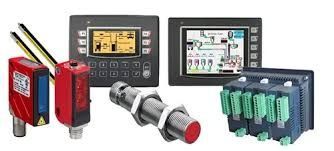
Manufacturing facilities increasingly use smart extrusion technology to improve production monitoring and process control.
Modern systems often include:
- Real-time temperature monitoring
- Automated material feeding
- Digital production tracking
- Predictive maintenance tools
- Data collection and reporting systems
These features help operators identify process variations before they affect product quality.
Expansion of Extrusion Automation Systems
Extrusion automation systems have become more common across manufacturing facilities. Automation reduces manual adjustments and improves consistency throughout production runs.
Automation technologies may include:
- Automated die adjustment
- Material handling systems
- Quality inspection sensors
- Production scheduling software
- Integrated process controls
As automation capabilities continue to evolve, manufacturers can monitor production performance more efficiently.
Focus on Material Efficiency
Manufacturers are paying increased attention to material efficiency and waste reduction. Modern plastic extrusion machines often include features designed to minimize scrap and improve material utilization.
Some systems support:
- Recycled plastic processing
- Material blending controls
- Enhanced cooling efficiency
- Improved screw designs
- Advanced process optimization software
These developments support broader manufacturing goals related to resource management.
Digital Integration Across Production Facilities
Extrusion equipment is increasingly connected to factory-wide management systems. Data from machines can be analyzed to track production output, machine performance, and maintenance requirements.
Digital integration supports:
- Centralized monitoring
- Production analytics
- Maintenance planning
- Quality documentation
- Process standardization
These trends reflect the broader movement toward connected manufacturing environments.
Laws or Policies
Manufacturing and Product Standards
Plastic extrusion technology is influenced by various regulations and technical standards. Requirements vary by country and by the products being manufactured.
Common areas of regulation include:
- Product safety requirements
- Material quality standards
- Environmental compliance
- Worker safety regulations
- Equipment operating standards
Manufacturers producing construction materials, food-contact products, or medical components may face additional compliance requirements.
Environmental Regulations
Governments increasingly focus on environmental management within manufacturing industries. Regulations often address:
- Waste handling procedures
- Recycling initiatives
- Energy efficiency targets
- Emissions management
- Material traceability
These requirements influence how plastic extrusion equipment is designed and operated.
Occupational Safety Requirements
Manufacturing facilities must follow workplace safety regulations related to machinery operation.
Important considerations include:
- Machine guarding systems
- Emergency stop mechanisms
- Operator training procedures
- Noise management practices
- Maintenance protocols
Safety standards help reduce operational risks and support safe manufacturing environments.
International Standards Organizations
Many manufacturers reference internationally recognized standards when designing products and processes.
Examples include guidance from organizations such as:
- International Organization for Standardization
- ASTM International
- International Electrotechnical Commission
These standards help promote consistency and quality across global manufacturing sectors.
Tools and Resources
Design and Engineering Software
Engineers often use computer-aided design software to create extrusion profiles and tooling designs. These tools assist with dimensional planning and product development.
Common capabilities include:
- Profile design
- Material analysis
- Simulation modeling
- Tooling development
- Product visualization
Process Monitoring Platforms
Modern extrusion facilities may use software platforms that collect production data from machines and sensors.
Useful functions include:
- Performance tracking
- Quality reporting
- Production analytics
- Maintenance scheduling
- Historical trend analysis
Industry Standards Databases
Technical standards databases provide information on material specifications, testing methods, and compliance requirements.
These resources help manufacturers understand:
- Material performance expectations
- Testing procedures
- Industry specifications
- Regulatory requirements
Production Calculators and Planning Tools
Manufacturing planners often use calculators and software tools to estimate:
- Material consumption
- Production rates
- Cooling requirements
- Energy usage
- Equipment utilization
These resources support planning and operational decision-making.
FAQs
What is plastic extrusion technology?
Plastic extrusion technology is a manufacturing process that melts plastic material and forces it through a shaped die to create continuous products such as pipes, sheets, tubing, and profiles.
How do plastic extrusion machines work?
Plastic extrusion machines use a rotating screw inside a heated barrel to melt and move plastic material toward a die. The molten material exits the die, is cooled, and then cut or processed into its final form.
What products are made using plastic profile extrusion?
Plastic profile extrusion is commonly used to manufacture window frames, trims, channels, seals, cable management products, and other components with specific cross-sectional shapes.
What is the difference between plastic pipe extrusion machines and plastic sheet extrusion equipment?
Plastic pipe extrusion machines produce cylindrical products such as water and drainage pipes, while plastic sheet extrusion equipment produces flat plastic sheets used in packaging, construction, and industrial applications.
How do extrusion automation systems improve manufacturing?
Extrusion automation systems help control temperatures, material flow, quality monitoring, and machine performance. Automation can improve consistency and provide better visibility into production processes.
Conclusion
Plastic extrusion technology remains an important manufacturing process for producing continuous plastic products used across many industries. Modern plastic extrusion machines and plastic extrusion equipment have evolved through automation, digital monitoring, and improved material handling capabilities. Developments in smart extrusion technology and extrusion automation systems continue to support more efficient and consistent production. As regulations, sustainability goals, and manufacturing technologies evolve, extrusion processes are adapting to meet changing industry requirements.