Pouch Packing Machine Information: Equipment, Features, and Uses
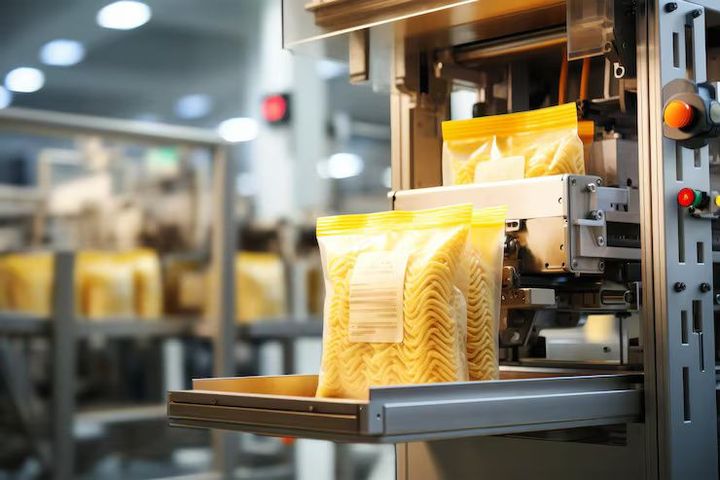
Pouch packing machines play an important role in modern packaging operations across many industries. These machines are designed to fill and seal products into pouches efficiently, helping manufacturers package items such as food, beverages, pharmaceuticals, chemicals, and personal care products. As packaging technology continues to evolve, pouch packing equipment has become more advanced, offering improved accuracy, speed, and consistency.
The growing demand for convenient and secure packaging has increased the use of pouch packing machines worldwide. Businesses rely on these machines to maintain product quality, improve production efficiency, and meet packaging standards. Understanding the equipment, features, and uses of pouch packing machines can help individuals and organizations better understand modern packaging processes.
Context
A pouch packing machine is a type of packaging equipment used to fill products into flexible pouches and seal them for storage, transportation, and distribution. These machines can handle various product types, including powders, liquids, granules, pastes, and solid items.
Packaging technology has developed significantly over the years. Traditional manual packaging methods have gradually been replaced by automated systems that improve productivity and reduce packaging errors. Today, pouch packing equipment is available in different configurations, including automatic, semi-automatic, and fully integrated systems.
Types of Pouch Packing Machines
Common types include:
- Vertical Form Fill Seal (VFFS) machines
- Horizontal Form Fill Seal (HFFS) machines
- Premade pouch packing machines
- Multi-lane pouch packaging systems
- Sachet packing machines
These machines are selected based on production requirements, product characteristics, and packaging formats.
Importance
Pouch packing machines are important because they support efficient packaging operations while helping maintain product consistency and safety. They are widely used across manufacturing industries where reliable packaging is essential.
Key benefits include:
- Improved packaging speed
- Consistent pouch sealing
- Reduced product waste
- Better packaging accuracy
- Support for large-scale production
The impact of pouch packing equipment extends to manufacturers, distributors, retailers, and consumers. Efficient packaging helps products remain protected throughout the supply chain while supporting quality control requirements.
Industries That Use Pouch Packing Machines
| Industry | Common Products |
|---|---|
| Food and Beverage | Snacks, spices, coffee, sauces |
| Pharmaceutical | Powders, supplements, medical products |
| Chemical | Detergents, fertilizers, industrial powders |
| Cosmetics | Creams, gels, lotions |
| Agriculture | Seeds, animal feed additives |
Recent Updates
Between 2024 and 2026, several developments have influenced the pouch packaging industry. Manufacturers are focusing on automation, digital monitoring, and sustainability to improve packaging performance.
One major trend is the integration of smart technologies. Modern pouch packing machines increasingly include sensors, touchscreen controls, remote diagnostics, and production monitoring systems. These features help operators track machine performance and identify maintenance needs more effectively.
Another significant development is the use of environmentally conscious packaging materials. Many packaging companies are exploring recyclable and reduced-material pouch designs to align with sustainability goals.
Additional trends include:
- Increased adoption of automated packaging lines
- Enhanced machine efficiency through data analytics
- Improved sealing technologies
- Better compatibility with recyclable packaging materials
- Integration with Industry 4.0 manufacturing systems
The demand for flexible packaging continues to grow because pouches often require less material than rigid packaging formats while remaining practical for transportation and storage.
Laws or Policies
Pouch packing machines operate within regulatory frameworks that focus on product safety, packaging quality, workplace safety, and environmental compliance.
For food packaging applications, equipment typically must support hygiene and sanitation requirements established by relevant national authorities. Manufacturers often follow Good Manufacturing Practices (GMP) and food safety management standards.
Common regulatory areas include:
- Food safety regulations
- Pharmaceutical packaging requirements
- Workplace health and safety standards
- Electrical equipment compliance requirements
- Environmental and waste management policies
In many countries, packaging operations must comply with labeling regulations and material safety standards. Companies using pouch packing equipment are generally responsible for ensuring that packaging materials and production processes meet applicable legal requirements.
Government policies in several regions are also encouraging sustainable packaging practices through recycling initiatives and packaging waste reduction programs.
Tools and Resources
Several tools and resources can help organizations understand, evaluate, and manage pouch packaging operations.
Useful resources include:
- Packaging industry associations
- Manufacturing standards organizations
- Food safety guideline portals
- Industrial automation platforms
- Equipment maintenance management systems
Common tools used alongside pouch packing machines include:
| Tool or Resource | Purpose |
| Production Calculators | Estimate output and efficiency |
| Maintenance Schedules | Track equipment inspections |
| Packaging Design Software | Create pouch layouts |
| Quality Control Checklists | Monitor packaging consistency |
| Training Portals | Improve operator knowledge |
These resources help organizations improve packaging workflows and maintain compliance with operational standards.
FAQs
What is a pouch packing machine used for?
A pouch packing machine fills and seals products into flexible pouches for packaging, storage, transportation, and distribution.
Which products can be packed using pouch packing equipment?
These machines can package powders, liquids, granules, pastes, snacks, spices, chemicals, cosmetic products, and pharmaceutical materials.
What is the difference between automatic and semi-automatic pouch packing machines?
Automatic machines perform most packaging functions with minimal operator involvement, while semi-automatic systems require some manual assistance during operation.
Are pouch packing machines suitable for food packaging?
Yes. Many pouch packing machines are specifically designed for food applications and support hygiene and safety requirements.
Why is flexible pouch packaging becoming more popular?
Flexible pouch packaging is valued for efficient material usage, convenient handling, storage efficiency, and compatibility with modern packaging technologies.
Conclusion
Pouch packing machines have become an essential part of modern packaging operations across numerous industries. These machines help package products efficiently while supporting consistency, quality, and production performance. Recent developments in automation, smart monitoring, and sustainable packaging materials continue to shape the industry. Understanding the equipment, features, uses, and regulatory considerations associated with pouch packing machines provides valuable insight into the evolving world of packaging technology.