Precision Stainless Steel Tubing: An Informative Guide to Applications and Benefits
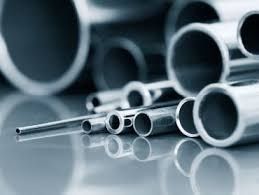
Precision stainless steel tubing is a specialized form of metal tubing designed to meet strict dimensional and performance requirements.
It is manufactured using carefully controlled processes to ensure consistent diameter, wall thickness, surface finish, and mechanical properties. These characteristics make it suitable for industries where accuracy and reliability are important.
The development of stainless steel tubing is closely linked to advances in metallurgy and industrial manufacturing. As industries such as healthcare, aerospace, energy, and manufacturing evolved, the need for tubing with tighter tolerances and improved corrosion resistance increased. This demand contributed to the growth of precision stainless steel tubing and related production technologies.
Today, stainless steel tubing manufacturers produce a wide variety of tubing products for different applications. These products range from stainless steel seamless tubing used in demanding industrial environments to stainless steel capillary tubing designed for highly specialized applications. Precision tubing manufacturers often work with different stainless steel grades to meet specific performance requirements.
Custom stainless steel tubing is also common in industries where standard dimensions may not meet operational needs. By adjusting tube diameter, wall thickness, length, and material composition, manufacturers can create tubing suited to unique engineering requirements.
Importance
Precision stainless steel tubing plays an important role in modern infrastructure and technology. Many systems depend on tubing that can transport liquids, gases, or mechanical forces while maintaining structural integrity and dimensional accuracy.
Reliability in Critical Applications
Industries often require tubing that can operate under high pressure, varying temperatures, and corrosive conditions. Stainless steel seamless tubing is commonly used because it does not contain welded joints, which may reduce potential weak points in certain applications.
Medical facilities rely on medical grade stainless steel tubing for instruments, diagnostic equipment, and fluid delivery systems. The material's corrosion resistance and cleanliness make it suitable for environments where hygiene is important.
Support for Advanced Manufacturing
Manufacturing processes increasingly depend on precision components. High precision metal tubing contributes to automation systems, sensors, hydraulic equipment, and production machinery.
Precision steel tube suppliers provide tubing used in:
- Industrial fluid systems
- Laboratory instruments
- Aerospace components
- Medical equipment
- Automotive assemblies
- Semiconductor manufacturing
Durability and Corrosion Resistance
One of the main advantages of stainless steel is its resistance to rust and corrosion. This property helps extend the lifespan of equipment operating in challenging environments, including marine, chemical processing, and outdoor industrial settings.
Industrial stainless steel tubing is often selected for environments where exposure to moisture, chemicals, or temperature changes may affect other materials.
Common Types of Precision Stainless Steel Tubing
| Tubing Type | Typical Application | Key Characteristic |
|---|---|---|
| Stainless steel seamless tubing | High-pressure systems | No welded seam |
| Stainless steel capillary tubing | Medical and laboratory equipment | Very small diameter |
| Stainless steel hydraulic tubing | Hydraulic systems | Pressure resistance |
| Medical grade stainless steel tubing | Healthcare devices | High cleanliness standards |
| Aerospace stainless steel tubing | Aircraft systems | Lightweight strength balance |
| Custom stainless steel tubing | Specialized equipment | Tailored dimensions |
Recent Updates
Improvements in Manufacturing Technology
Recent developments in tube manufacturing have focused on achieving tighter dimensional tolerances and improved surface finishes. Advanced drawing, polishing, and inspection technologies help manufacturers produce more consistent products.
Automated quality control systems are becoming increasingly common among precision tubing manufacturers. These systems use sensors and imaging equipment to detect variations during production.
Increased Demand from Healthcare and Aerospace
Medical and aerospace industries continue to require highly specialized tubing products. Medical grade stainless steel tubing is being used in increasingly sophisticated medical devices, while aerospace stainless steel tubing supports applications involving fuel systems, hydraulic systems, and structural components.
As technology advances, tubing specifications often become more detailed, requiring improved manufacturing precision.
Focus on Material Traceability
Many industries now emphasize material traceability. This trend involves tracking raw materials and production data throughout the manufacturing process.
Traceability helps organizations verify material specifications, manufacturing records, and quality control procedures. This practice is particularly relevant in healthcare, aerospace, and energy-related applications.
Sustainability Considerations
Manufacturers are increasingly adopting production methods that reduce material waste and improve resource efficiency. Stainless steel itself remains a widely recycled material, supporting broader sustainability goals across various industries.
The use of recycled stainless steel content and energy-efficient manufacturing processes has become a growing trend within the metal production sector.
Laws or Policies
Precision stainless steel tubing is influenced by various regulations and industry standards. The specific requirements depend on the country and the intended application.
Material Standards
Many tubing products are manufactured according to internationally recognized standards established by organizations such as:
- ASTM International
- International Organization for Standardization
- ASME
These standards define material composition, dimensions, testing methods, and performance requirements.
Medical Industry Regulations
Medical grade stainless steel tubing used in healthcare equipment may be subject to additional regulatory requirements. Manufacturers often follow quality management systems designed for medical device production.
Regulatory authorities in many countries require documentation related to material quality, manufacturing controls, and product testing.
Aerospace Requirements
Aerospace stainless steel tubing must often comply with strict certification and inspection requirements. Aviation authorities and aerospace organizations typically establish detailed standards regarding material performance and manufacturing consistency.
These requirements help support safety and reliability in aircraft systems.
Workplace and Environmental Regulations
Manufacturing facilities that produce stainless steel tubing must generally comply with workplace safety and environmental regulations. These rules may address:
- Worker safety practices
- Air emissions management
- Waste handling procedures
- Material storage requirements
- Equipment maintenance standards
Requirements vary by country and region.
Tools and Resources
Several tools and resources can help engineers, manufacturers, researchers, and students understand precision stainless steel tubing and related applications.
Material Selection Guides
Material selection guides provide information about different stainless steel grades, corrosion resistance characteristics, and mechanical properties. These resources can assist in comparing materials for specific operating environments.
Engineering Standards Databases
Organizations such as ASTM, ISO, and ASME maintain databases containing technical standards and specifications relevant to stainless steel tubing.
These resources help users understand dimensional requirements, testing methods, and performance criteria.
Tube Dimension Calculators
Engineering calculators can assist with:
- Tube weight calculations
- Flow capacity estimates
- Pressure calculations
- Wall thickness analysis
- Material property comparisons
Such tools are commonly used during equipment design and planning stages.
Educational Resources
Universities, engineering associations, and technical publications provide educational materials related to metallurgy, manufacturing processes, and tubing applications.
Topics often include:
- Corrosion resistance
- Material science
- Hydraulic systems
- Aerospace engineering
- Medical device design
- Industrial manufacturing
FAQs
What is precision stainless steel tubing?
Precision stainless steel tubing is tubing manufactured with tightly controlled dimensions and material properties. It is commonly used in applications where accuracy, consistency, and reliability are important.
How is stainless steel seamless tubing different from welded tubing?
Stainless steel seamless tubing is produced without a welded seam, while welded tubing is formed by joining the edges of metal strip material. Seamless tubing is often selected for applications involving high pressure or demanding operating conditions.
What industries use aerospace stainless steel tubing?
Aerospace stainless steel tubing is used in aircraft hydraulic systems, fuel delivery systems, environmental control systems, and other components that require strength, durability, and corrosion resistance.
What is stainless steel capillary tubing used for?
Stainless steel capillary tubing is commonly used in medical devices, laboratory instruments, analytical equipment, and precision fluid control systems. Its small diameter allows for controlled movement of liquids and gases.
Why do organizations work with precision steel tube suppliers and custom stainless steel tubing manufacturers?
Organizations may require specific dimensions, tolerances, or material grades that are not available in standard products. Custom stainless steel tubing helps meet specialized engineering and operational requirements.
Conclusion
Precision stainless steel tubing is an important component in many modern industries, including healthcare, aerospace, manufacturing, and energy. Its combination of dimensional accuracy, corrosion resistance, and mechanical strength supports a wide range of applications. Advances in manufacturing technology continue to improve quality, consistency, and traceability. Understanding the different types of tubing and the standards that govern them helps provide a clearer view of their role in modern infrastructure and technology.