Rock Drills Guide: Essential Information for Efficient Drilling Operations
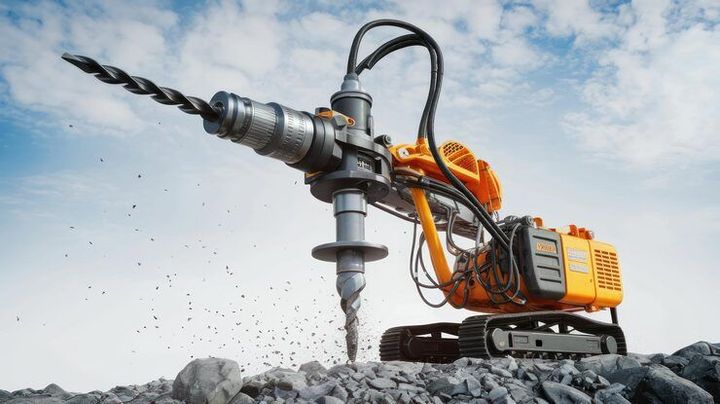
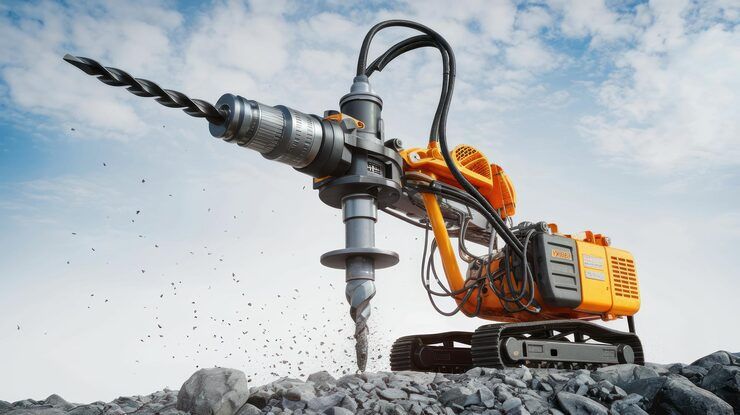
Rock drills are powerful mechanical tools designed to break, penetrate, or drill through hard materials such as rock, concrete, and stone. These machines are widely used in industries like mining, construction, quarrying, and infrastructure development. Their primary function is to create holes for blasting, anchoring, or installing structural components.
The need for rock drills emerged with the expansion of mining and large-scale construction. Manual methods were inefficient and time-consuming, especially when dealing with dense geological formations. Rock drills introduced speed, precision, and consistency into these operations.
Modern rock drills use different energy sources, including pneumatic (air-powered), hydraulic, and electric systems. They are designed to operate under extreme conditions while maintaining high drilling efficiency.
Common Types of Rock Drills
Rock drills are available in several types, each suited for specific applications:
- Pneumatic rock drills
- Hydraulic rock drills
- Electric rotary drills
- Down-the-hole (DTH) drills
- Top hammer drills
Each type is selected based on factors such as material hardness, drilling depth, and operational requirements.
Why Rock Drills Matter in Today’s Industries
Rock drills play a critical role in modern infrastructure and resource extraction. As urbanization increases and global demand for minerals grows, efficient drilling solutions have become essential.
Key Benefits
These tools are important because they:
- Enable safe and controlled rock excavation
- Support mining operations for minerals and energy resources
- Facilitate road construction, tunnels, and bridges
- Improve productivity in large-scale construction projects
Major Industries Using Rock Drills
Rock drilling is widely used across several industries:
- Mining and mineral exploration
- Oil and gas extraction
- Civil engineering and infrastructure
- Quarrying and aggregate production
Without reliable drilling equipment, projects may face delays, structural issues, and increased safety risks.
Operational Challenges Addressed
Rock drills help solve several industry challenges:
- Hard rock penetration in deep mining
- Precision drilling in confined spaces
- Efficient blasting preparation
- Reduction of manual labor risks
Advancements in automation and data-driven systems now allow operators to monitor performance and optimize operations.
Recent Trends and Developments in 2025
The rock drilling industry has seen significant advancements driven by automation, sustainability, and digital integration. These innovations are improving efficiency and safety across operations.
Key Trends
Important developments in 2025 include:
- Adoption of automated drilling systems with remote operation
- AI-based monitoring tools for real-time tracking
- Energy-efficient hydraulic systems
- Improved dust suppression technologies
Smart drilling rigs equipped with sensors now monitor vibration, temperature, and speed. This helps reduce equipment wear and enhances accuracy.
Emerging Technologies
Several new technologies are shaping the industry:
- Digital twin technology for simulation before execution
- Predictive maintenance systems
- Electric-powered drilling equipment for reduced emissions
Sustainability is becoming a major focus, with companies aiming to reduce energy consumption and environmental impact.
Regulations and Compliance in Rock Drilling
Rock drilling operations are governed by laws to ensure safety and environmental protection. Compliance is essential for maintaining operational standards and minimizing risks.
Key Regulations in India
Important regulations include:
- The Mines Act, 1952
- DGMS (Directorate General of Mines Safety) guidelines
- Environmental Protection Act, 1986
Compliance Requirements
Organizations must follow several requirements:
- Training and certification for operators
- Regular equipment inspection and maintenance
- Dust control implementation
- Noise level monitoring
- Safe handling of explosives
Global standards such as ISO and OSHA also influence safe drilling practices.
Tools and Resources for Rock Drilling Operations
Modern rock drilling combines physical equipment with digital tools to improve efficiency and precision. These tools help streamline planning, execution, and monitoring.
Common Tools
- Drill design software
- Geological survey tools
- CNC and automated drilling systems
- Performance monitoring dashboards
- Maintenance tracking systems
Digital Resources
- CAD software for engineering design
- Simulation tools for drilling analysis
- Data analytics platforms for optimization
Rock Drill Comparison Table
| Drill Type | Power Source | Application Area | Efficiency Level |
|---|---|---|---|
| Pneumatic Drill | Compressed Air | Small-scale construction | Moderate |
| Hydraulic Drill | Fluid Power | Heavy-duty mining & tunneling | High |
| Electric Drill | Electricity | Urban construction projects | Moderate |
| DTH Drill | Air/Hydraulic | Deep hole drilling | Very High |
| Top Hammer Drill | Hydraulic/Air | Surface drilling | High |
Basic Workflow
The typical rock drilling process includes:
- Site inspection and geological analysis
- Selection of drill type
- Equipment setup and alignment
- Execution of drilling
- Inspection and quality control
Many companies now use predictive maintenance tools to reduce downtime and extend equipment lifespan.
Frequently Asked Questions
What is a rock drill used for?
A rock drill is used to create holes in hard materials like rock or concrete for mining, construction, and blasting applications.
What is the difference between DTH and top hammer drilling?
DTH drilling delivers impact directly at the drill bit, making it suitable for deep holes. Top hammer drilling transmits impact from the surface, making it ideal for shallow drilling.
Why is hydraulic drilling preferred?
Hydraulic systems offer higher power, better control, and improved efficiency compared to pneumatic systems.
How is drilling accuracy ensured?
Accuracy is achieved through alignment systems, digital controls, and real-time monitoring tools.
What safety measures are important?
Important measures include:
- Wearing protective equipment
- Controlling dust and noise
- Regular equipment inspections
- Following regulatory guidelines
Additional Insights and Industry Data
Modern rock drilling machines are designed to operate under extreme conditions, including high pressure and abrasive environments. Technological improvements have enhanced performance and reliability.
Key Improvement Areas
- Drill bit durability
- Energy efficiency
- Automation capabilities
- Data integration
Industry Priorities in 2025
| Focus Area | Priority Level |
|---|---|
| Automation | High |
| Safety Enhancements | High |
| Energy Efficiency | Moderate |
| Manual Labor Reduction | High |
Conclusion
Rock drills are essential tools in construction, mining, and infrastructure development. They enable efficient and precise drilling even in challenging environments.
Advancements in automation, digital monitoring, and energy efficiency continue to shape the industry in 2025. Regulatory frameworks ensure that operations remain safe and environmentally responsible.
Understanding rock drills, their types, applications, and compliance requirements helps professionals stay informed about this critical field.