Rocket Motor Casting Machines Guide: Essential Information and Practical Insights
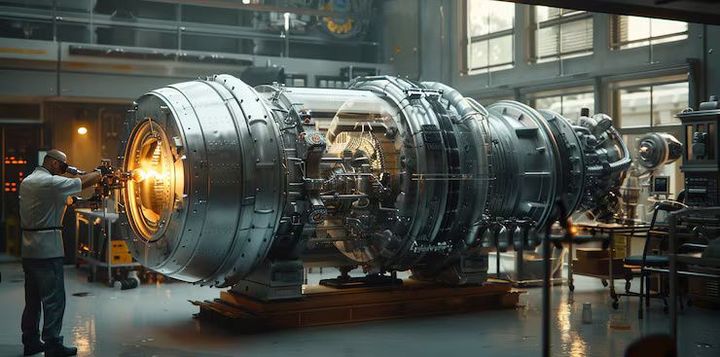
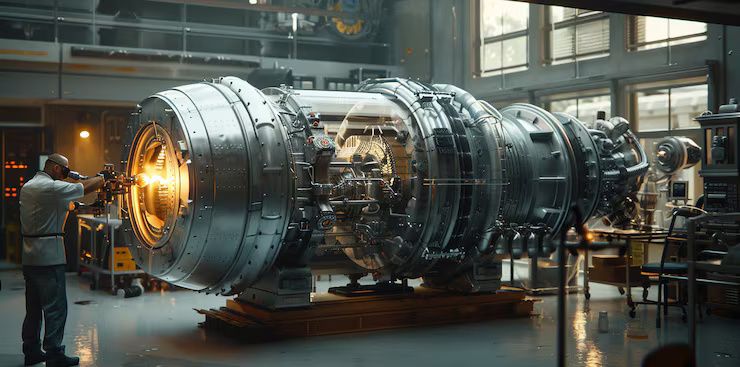
Rocket motor casting machines are specialized industrial systems used in the aerospace and defense sectors to manufacture solid rocket motors. These machines are designed to mix, handle, and cast propellant materials into motor casings with high precision and consistency.
Solid rocket motors rely on carefully prepared propellant mixtures that include oxidizers, binders, and metallic fuels. The casting process ensures that this mixture is evenly distributed inside the motor casing for stable combustion.
Rocket motor casting machines are designed to handle these sensitive materials under controlled conditions. Even minor inconsistencies can impact thrust performance or structural integrity.
Modern systems include automated mixing units, vacuum chambers, and curing ovens. These machines operate in highly controlled aerospace environments where precision and safety are critical.
Why Rocket Motor Casting Machines Matter Today
Rocket motor casting machines play a key role in modern aerospace and defense industries. Their importance has grown alongside increasing global demand for space missions and satellite launches.
Key Areas of Impact
- Satellite communication and global connectivity
- Space exploration and research missions
- National defense capabilities
- Commercial spaceflight and launch services
Accurate casting ensures uniform propellant density and prevents air pockets. This improves both safety and performance during rocket operation.
Manufacturing Challenges Addressed
- Maintaining consistent propellant quality
- Reducing defects during production
- Improving overall manufacturing efficiency
- Supporting advanced rocket designs
These machines help meet the growing need for scalable and reliable aerospace production systems.
Recent Trends and Developments in 2025
The aerospace industry in 2025 has seen significant advancements in casting technology. These developments focus on improving precision, efficiency, and sustainability.
Key Innovations
- Integration of automation and smart sensors
- Use of Industrial Internet of Things (IIoT) platforms
- Real-time monitoring of temperature, pressure, and viscosity
- Adoption of advanced composite materials
Manufacturers are also investing in reusable launch systems. This has increased the need for consistent propellant behavior across multiple missions.
Emerging Technologies
- Simulation software for process optimization
- Digital twins for pre-production modeling
- Environment-friendly production practices
These innovations are helping reduce errors while improving product reliability and performance.
Regulatory Framework and Compliance
Rocket motor casting operates under strict regulations due to the hazardous nature of materials involved. Compliance ensures safety, reliability, and environmental responsibility.
Key Regulatory Requirements
- Safety standards for handling hazardous materials
- Environmental regulations for emissions control
- Export control laws for aerospace technologies
- Quality assurance standards (e.g., ISO certifications)
Regulatory Bodies and Frameworks
- Defence Research and Development Organisation (DRDO)
- Indian Space Research Organisation (ISRO)
- International Traffic in Arms Regulations (ITAR)
- European Union safety directives
These frameworks guide manufacturers in maintaining safe and compliant production processes.
Tools and Resources for Implementation
Various tools support the design, simulation, and operation of rocket motor casting machines. These tools improve efficiency and ensure high-quality output.
Common Tools Used
- Computer-Aided Design (CAD) software
- Computational Fluid Dynamics (CFD) tools
- Process simulation software
- Industrial monitoring systems
- Quality control and inspection software
Key Components of Casting Systems
| Component | Function |
|---|---|
| Mixing Unit | Combines propellant ingredients uniformly |
| Vacuum Casting Chamber | Removes air bubbles during casting |
| Heating System | Maintains required temperature conditions |
| Control Panel | Monitors and adjusts process parameters |
| Curing Oven | Solidifies propellant after casting |
Typical Workflow
- Preparation of propellant materials
- Controlled mixing in specialized equipment
- Transfer to casting chamber
- Vacuum-assisted casting into motor casing
- Curing under controlled temperatures
- Inspection and quality verification
Digital monitoring dashboards are increasingly used to track performance and improve production efficiency.
Frequently Asked Questions
What is the purpose of rocket motor casting machines?
Rocket motor casting machines are used to produce solid rocket motors by placing propellant material accurately داخل motor casings. This ensures reliable and consistent performance.
Why is vacuum casting important?
Vacuum casting removes trapped air bubbles that can cause combustion instability. It also prevents structural weaknesses in the motor.
What materials are used in propellants?
Common materials include:
- Oxidizers
- Polymer binders
- Metallic powders such as aluminum
How is safety maintained?
Safety is ensured through:
- Controlled environments
- Automated systems
- Protective equipment
- Compliance with regulations
Which industries use this technology?
- Aerospace
- Defense
- Space exploration
- Satellite manufacturing
Additional Insights on Industry Trends
The growing demand for satellite launches has accelerated innovation in propulsion systems. Casting machines are evolving to meet these advanced requirements.
Focus Areas in the Industry
- High-thrust propulsion systems
- Lightweight composite structures
- Precision propellant geometries
Industry Priorities
| Focus Area | Priority Level |
|---|---|
| Automation and AI Integration | High |
| Precision Manufacturing | High |
| Environmental Sustainability | Moderate |
| Manual Process Reduction | High |
These priorities highlight the shift toward automation and digital transformation in aerospace manufacturing.
Conclusion
Rocket motor casting machines are essential in modern aerospace production. They ensure the safe and precise manufacturing of solid rocket motors used in space exploration and defense systems.
Advancements in automation, simulation, and materials are making these machines more efficient and reliable. At the same time, strict regulations ensure safe and environmentally responsible operations.
Understanding these machines provides valuable insight into the technologies driving global space missions. As the industry continues to evolve, their importance will only increase.