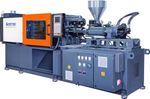
Shell moulding is a casting process where heated metal patterns are coated with resin-coated sand. The heat causes the resin to harden, forming a thin, rigid shell that acts as the mould. This shell is then assembled and used to cast molten metal into precise shapes.
Shell moulding machines automate this process to ensure consistency, accuracy, and repeatability. They are widely used in industries that require high-quality components with smooth finishes and tight tolerances.
Key Applications
Shell moulding is commonly used in industries that demand precision and durability. These applications often require minimal post-processing and high production efficiency.
-
Automotive engine parts
-
Valve bodies and pump housings
-
Industrial machinery components
-
Aerospace castings
Shell moulding is especially suitable for medium to high-volume production where dimensional accuracy is critical.
Importance of Shell Moulding Machines
Shell moulding machines play a crucial role in modern manufacturing by enabling the production of complex components with minimal defects. They help industries achieve high precision while maintaining efficiency and consistency.
Why It Matters Today
Manufacturing industries are evolving toward precision engineering and automation. Shell moulding supports these trends by delivering reliable and high-quality outputs.
-
Increasing demand for lightweight and accurate components
-
Growth in automotive and aerospace industries
-
Rising need for automated and consistent production
-
Pressure to reduce material waste and improve efficiency
Key Benefits
Shell moulding addresses several common challenges in metal casting. It improves both the quality and efficiency of production processes.
-
Better surface finish than traditional sand casting
-
Higher dimensional accuracy
-
Reduced machining requirements
-
Improved production consistency
These advantages make shell moulding highly valuable in industries that require strict quality standards.
Recent Updates and Trends (2025)
Technological advancements in 2025 have significantly improved shell moulding processes. Automation and digital tools are transforming how foundries operate.
Key Innovations
Modern shell moulding machines now include advanced features that enhance performance and reliability.
-
Integration of automation and robotics
-
Use of smart sensors for monitoring curing and heat distribution
-
Adoption of simulation software for defect prediction
-
Development of eco-friendly resin materials
Smart sensors help track parameters like temperature and mould thickness, improving consistency and reducing defects.
Industry Trends
The adoption of Industry 4.0 technologies is reshaping casting operations. Digital transformation is enabling smarter and more efficient production systems.
-
Expansion of IoT-enabled monitoring systems
-
Increased use of data-driven manufacturing
-
Growth of localized production facilities
-
Strong focus on sustainability and emission reduction
These trends highlight the shift toward intelligent and environmentally responsible manufacturing.
Laws and Policies
Shell moulding processes must comply with various safety and environmental regulations. These laws ensure safe operations and reduce environmental impact.
Key Regulatory Areas
Manufacturers must follow guidelines related to workplace safety, emissions, and quality standards.
-
Occupational safety for handling high-temperature equipment
-
Air quality regulations for resin emissions
-
Waste management for sand and chemicals
-
Compliance with ISO and industrial standards
Regional Regulations
Different regions have specific regulatory frameworks governing shell moulding processes.
-
India: CPCB guidelines for emissions and waste management
-
European Union: REACH regulations for chemical usage
-
United States: EPA standards for VOC emissions
Compliance ensures safe working conditions and sustainable manufacturing practices.
Tools and Resources
Various tools support shell moulding from design to production and quality control. These tools improve efficiency and reduce errors in manufacturing processes.
Common Tools Used
Digital and physical tools are essential for achieving precision in shell moulding.
-
CAD software for pattern design
-
CAM software for manufacturing planning
-
Casting simulation software
-
Temperature monitoring systems
-
Industrial IoT dashboards
-
Coordinate Measuring Machines (CMM)
Casting Method Comparison
Below is a comparison of shell moulding with other casting methods:
| Casting Method | Surface Finish | Accuracy Level | Production Volume | Typical Use Case |
|---|
| Shell Moulding | Smooth | High | Medium–High | Automotive, aerospace parts |
| Sand Casting | Rough | Moderate | Low–Medium | Large components |
| Investment Casting | Very Smooth | Very High | Low–Medium | Precision small parts |
Basic Workflow
The shell moulding process follows a structured sequence to ensure accuracy and quality.
-
Heat the metal pattern
-
Apply resin-coated sand
-
Form and cure the shell
-
Remove and assemble mould halves
-
Pour molten metal
-
Cool and extract the casting
Key Performance Factors
Several factors influence the quality and efficiency of shell moulding.
-
Resin quality
-
Temperature control
-
Shell thickness
-
Pattern precision
Modern machines use automated controls to manage these variables effectively.
Frequently Asked Questions
What is shell moulding used for?
Shell moulding is used to produce metal components with high precision and smooth finishes. It is widely applied in automotive and industrial manufacturing.
How does shell moulding differ from sand casting?
Shell moulding uses resin-coated sand to create thin, strong moulds. This results in better surface quality and higher accuracy compared to traditional sand casting.
What materials are used in shell moulding?
The process typically uses silica sand coated with thermosetting resin. Metal patterns are usually made from steel or cast iron.
Why is temperature control important?
Temperature affects resin curing and shell formation. Proper control ensures consistent mould quality and reduces defects.
Is shell moulding suitable for high-volume production?
Yes, shell moulding is ideal for medium to high-volume production. It offers repeatability, efficiency, and consistent quality.
Additional Insights
Shell moulding machines are evolving with automation and smart technologies. These advancements reduce manual work and improve overall efficiency.
Key Advancements
Modern systems incorporate innovative features for better performance.
-
Automated pattern heating
-
Robotic shell handling
-
Integrated quality monitoring
-
Data-driven optimization
Industry Focus Areas (2025)
| Focus Area | Priority Level |
|---|
| Automation Integration | High |
| Emission Reduction | High |
| Precision Improvement | High |
| Manual Process Reduction | Moderate |
These priorities align with global trends in smart manufacturing and sustainability.
Conclusion
Shell moulding machines are essential for producing high-quality metal components with precision and efficiency. They are widely used across industries such as automotive, aerospace, and industrial manufacturing.
Advancements in automation, digital monitoring, and eco-friendly materials have further enhanced their capabilities. At the same time, regulatory frameworks ensure safe and sustainable operations.
Understanding shell moulding technology helps manufacturers and engineers improve production quality and efficiency. As technology continues to evolve, these machines will remain a key part of modern industrial processes.