Smart Glass Installation Guide for Modern Buildings and Energy Efficient Spaces
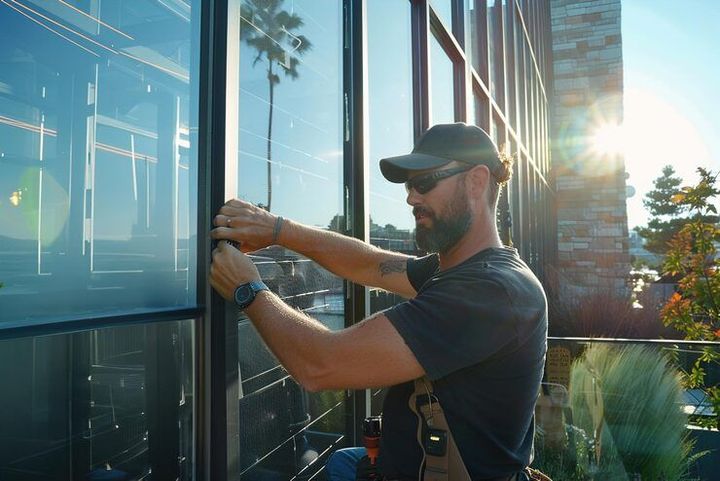
Smart glass installation refers to the process of fitting advanced glass panels that can change their transparency, tint, or light transmission using electricity, temperature, or light sensors. These glass systems are increasingly used in modern homes, offices, hospitals, hotels, airports, and educational buildings.
Smart glass technology exists because traditional windows often create challenges related to privacy, indoor heat, glare, and energy consumption. By integrating intelligent glass systems, buildings can adapt to changing environmental conditions without relying heavily on curtains, blinds, or artificial lighting.
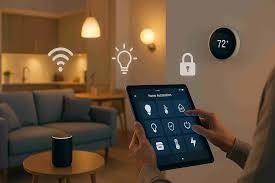
Modern smart glass solutions are commonly connected with automation systems, energy management tools, and smart home technology. In recent years, architects and urban planners have shown growing interest in smart materials that improve comfort while supporting sustainable construction practices.
The installation process usually involves:
- Electrical integration for switchable glass
- Structural fitting into windows or partitions
- Connection with automation systems
- Calibration for transparency control
- Safety and insulation testing
Smart glass is commonly categorized into several technologies including electrochromic glass, suspended particle devices (SPD), and polymer dispersed liquid crystal (PDLC) glass.
Why Smart Glass Installation Matters Today
The growing demand for energy-efficient buildings has increased interest in smart glass systems worldwide. Buildings consume a significant amount of electricity through lighting and air conditioning. Smart glass helps reduce this demand by automatically controlling sunlight and indoor heat.
The technology affects several groups including:
- Homeowners interested in energy-efficient living
- Commercial property developers
- Hospitals and healthcare facilities
- Educational institutions
- Transportation sectors
- Hospitality businesses
Smart glass installation helps solve multiple challenges such as:
Improving Energy Efficiency
Smart glass reduces solar heat gain during hot weather and improves insulation in colder seasons. This may lower the pressure on HVAC systems and reduce electricity consumption.
Enhancing Privacy
Conference rooms, bathrooms, hospitals, and office cabins use switchable smart glass for instant privacy without physical blinds.
Supporting Sustainable Architecture
Green building certifications increasingly encourage advanced glazing systems that improve environmental performance.
Reducing Glare and UV Exposure
Smart glass can limit harmful ultraviolet rays and reduce glare from sunlight, creating more comfortable indoor environments.
Supporting Smart Building Automation
Many modern smart glass systems integrate with sensors, voice assistants, and centralized building management systems.
Smart Glass Market and Technology Trends in 2025
The smart glass industry has seen rapid innovation during 2024 and 2025. Several trends are shaping the future of installation practices and adoption worldwide.
| Trend | Description | Impact in 2025 |
|---|---|---|
| AI Building Integration | Smart glass connected with AI-based energy systems | Improved automation |
| Electrochromic Growth | Increased use in commercial towers | Better energy optimization |
| Sustainable Construction | Green buildings adopting dynamic glass | Reduced carbon footprint |
| Smart Homes Expansion | Residential demand increasing globally | More connected living |
| Transportation Applications | Use in trains, aviation, and vehicles | Enhanced passenger comfort |
In 2025, many manufacturers introduced faster-switching smart glass panels with improved durability and lower energy usage. Some airport terminals and healthcare facilities also expanded the use of touch-controlled privacy glass systems.
Several countries updated green construction frameworks in late 2024 to encourage energy-saving technologies in urban infrastructure projects. Smart glass has become part of conversations surrounding climate-friendly architecture and net-zero buildings.
Another notable trend is the combination of photovoltaic technology with smart glazing systems. Researchers are exploring glass panels capable of generating electricity while regulating light transmission.
Regulations and Government Policies Related to Smart Glass
Smart glass installation is influenced by construction laws, electrical safety standards, and environmental regulations in many countries.
Building Energy Codes
Governments increasingly require buildings to improve energy performance. Smart glass can support compliance with energy efficiency standards such as:
- LEED certification frameworks
- Energy Conservation Building Codes (ECBC)
- Green Star ratings
- Net-zero building guidelines
Electrical Safety Compliance
Switchable smart glass systems that use electrical current must comply with electrical installation standards and safety inspections.
Environmental Policies
Many countries introduced sustainability programs encouraging reduced carbon emissions in commercial buildings. Advanced glazing systems may support these environmental objectives.
Privacy and Healthcare Standards
Hospitals and healthcare facilities using smart privacy glass must follow patient privacy guidelines and medical infrastructure standards.
Fire and Structural Safety
Smart glass materials installed in public infrastructure often require compliance with:
- Fire resistance regulations
- Impact resistance testing
- Structural glazing standards
- Emergency safety requirements
As smart buildings continue expanding globally, policymakers are expected to introduce updated guidelines covering automation systems and intelligent construction materials.
Helpful Tools and Resources for Smart Glass Projects
Several digital tools and educational resources help architects, engineers, and property owners understand smart glass technology more effectively.
Energy Simulation Software
Programs such as building energy simulators help evaluate heat reduction and lighting efficiency.
Smart Home Automation Platforms
Automation systems can connect smart glass with lighting, climate control, and occupancy sensors.
Architectural Design Applications
3D modeling tools help visualize smart glass placement in homes and commercial buildings.
Government Sustainability Websites
Many government energy departments publish information about green construction practices and energy-saving technologies.
Building Certification Resources
Organizations related to sustainable construction provide guidance on energy-efficient materials and glazing technologies.
Installation Planning Templates
Construction professionals often use planning templates for:
- Electrical layout mapping
- Glass sizing calculations
- Energy performance analysis
- Structural compatibility reviews
Common Types of Smart Glass Technology
Electrochromic Smart Glass
Electrochromic glass changes tint gradually when electrical voltage is applied. It is commonly used in office buildings and airports.
PDLC Smart Glass
Polymer dispersed liquid crystal glass changes from transparent to opaque instantly and is widely used for privacy applications.
Suspended Particle Device Glass
SPD technology controls the amount of light entering a space and is often used in automotive and transportation industries.
Thermochromic Glass
This glass automatically reacts to temperature changes without external electricity.
Challenges Associated With Smart Glass Installation
While smart glass provides many benefits, some technical and operational challenges still exist.
Installation Complexity
The integration of electrical systems requires careful planning and specialized knowledge.
Maintenance Requirements
Certain smart glass systems may require periodic inspection for electrical components and controllers.
Climate Compatibility
Performance may vary depending on weather conditions, sunlight intensity, and building orientation.
Integration With Older Buildings
Retrofitting existing structures can sometimes create compatibility challenges with wiring and insulation systems.
Despite these challenges, continuous innovation is improving installation efficiency and system reliability.
Future Outlook of Smart Glass Technology
Experts expect smart glass adoption to increase steadily over the next decade. Urbanization, sustainability goals, and smart city initiatives are likely to accelerate the demand for intelligent building materials.
Future developments may include:
- Voice-controlled transparency systems
- Solar energy generating smart glass
- AI-powered adaptive tinting
- Enhanced thermal insulation performance
- Ultra-thin flexible smart glass materials
Educational institutions and research laboratories are also exploring nanotechnology applications that could improve glass responsiveness and energy performance.
Frequently Asked Questions
What is smart glass installation used for?
Smart glass installation is used to improve privacy, energy efficiency, light control, and automation in residential, commercial, healthcare, and transportation environments.
Does smart glass require electricity?
Some types such as electrochromic and PDLC smart glass require electricity, while thermochromic glass reacts naturally to temperature changes.
Can smart glass reduce indoor heat?
Yes. Smart glass can reduce solar heat gain and help regulate indoor temperatures, which may improve energy efficiency.
Is smart glass suitable for homes?
Smart glass is increasingly used in homes for windows, bathroom partitions, skylights, and smart home integration.
How long does smart glass technology last?
The lifespan varies depending on the technology type, environmental conditions, and maintenance practices, but many systems are designed for long-term architectural use.
Conclusion
Smart glass installation represents an important advancement in modern architecture and sustainable construction. As cities continue adopting intelligent infrastructure, dynamic glazing systems are becoming more common in homes, offices, transportation systems, and public facilities.
The technology supports energy efficiency, privacy control, environmental sustainability, and smart automation integration. Recent developments in 2024 and 2025 have improved the performance and accessibility of smart glass solutions while encouraging wider adoption across industries.
Understanding installation methods, regulations, technological trends, and available resources can help individuals and organizations make informed decisions regarding intelligent building materials. As innovation continues, smart glass is expected to play a larger role in shaping future-ready and energy-conscious environments.