Smart Meter Technology Guide: Learn Digital Power Tracking Basics
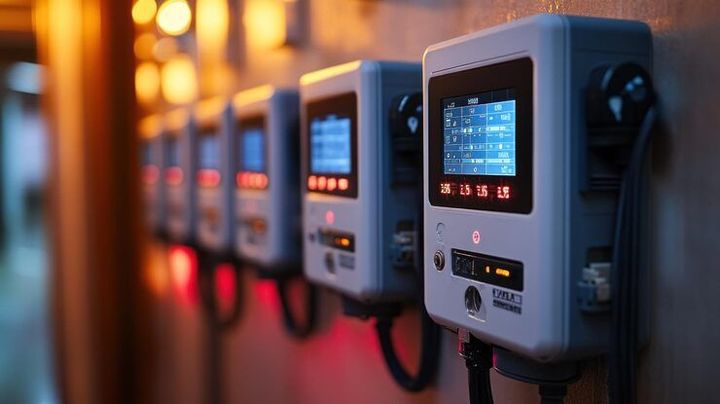
Smart meter technology refers to digital systems that measure electricity, water, or gas usage and send the information automatically to utility providers and users.
Unlike older analog meters that require manual readings, smart energy meters can communicate data through wireless or wired networks. These systems are part of a broader digital infrastructure used in modern utilities and energy management.
The idea behind smart electricity meter systems developed from the need for more accurate energy tracking and faster communication between consumers and utility networks. As cities expanded and energy demand increased, traditional meter reading methods became less practical. Digital technologies and internet-connected devices helped create more advanced monitoring methods.
Today, IoT smart meter technology is used in homes, apartment buildings, offices, factories, and public infrastructure. “IoT” refers to the Internet of Things, where connected devices exchange information automatically. Smart meters are one example of this connected system because they collect and transmit usage data without requiring direct human interaction.
Advanced metering infrastructure (AMI) supports these systems by linking smart meters, communication networks, and data management platforms. AMI helps utility providers monitor usage patterns, identify outages, and improve billing accuracy. Smart meter data management systems process large amounts of information generated by millions of connected devices each day.
Smart meter communication systems may use technologies such as radio frequency networks, cellular connections, broadband systems, or power line communication. These networks help meters send real-time or scheduled data updates to central platforms.
Different types of smart meters are now used across utility sectors:
| Smart Meter Type | Main Purpose | Common Usage Area |
|---|---|---|
| Smart electricity meter systems | Track electricity consumption | Homes, offices, factories |
| Smart water meter systems | Monitor water flow and usage | Residential and municipal networks |
| Smart gas meter systems | Measure gas usage safely and accurately | Residential and industrial settings |
| Heat meters | Track heating energy consumption | District heating systems |
| Multi-utility meters | Combine several utility measurements | Smart buildings |
Smart meter manufacturers continue to develop smaller, more connected, and more secure devices as digital infrastructure expands worldwide.
Importance
Energy Tracking and Resource Awareness
Smart meter technology matters because it helps people understand how much electricity, water, or gas they use throughout the day. Many systems provide hourly or real-time information through online dashboards or mobile applications. This allows households and organizations to identify periods of high consumption and better understand usage habits.
Smart meter monitoring systems can also help utilities respond more quickly to technical problems. In older systems, outages or equipment failures might only become known after users reported them. With digital monitoring, networks can often detect disruptions automatically.
Support for Modern Energy Networks
Modern energy systems increasingly depend on renewable energy sources such as solar and wind power. These sources can produce variable amounts of electricity depending on weather conditions. Smart electricity meter systems help balance supply and demand by improving communication between users and utility networks.
Advanced metering infrastructure (AMI) also supports the growth of electric vehicles and distributed energy systems. As more households use rooftop solar panels or battery storage systems, digital metering helps utilities manage changing energy flows more effectively.
Reduced Manual Processes
Traditional meter reading often requires physical inspections and scheduled visits. Smart energy meters reduce the need for manual data collection by sending information automatically. This can improve operational efficiency and reduce reporting delays.
For consumers, automated readings may also reduce billing errors linked to estimated usage calculations. Usage data becomes more detailed and easier to review over time.
Water and Gas Management
Smart water meter systems help municipalities detect leaks and monitor water distribution networks more efficiently. Early detection of unusual usage patterns may reduce water waste and infrastructure strain.
Similarly, smart gas meter systems support accurate tracking of gas consumption and can help identify abnormal patterns that may require inspection. Digital monitoring can contribute to safer utility operations when combined with regular maintenance and inspection programs.
Recent Updates
Expansion of Connected Meter Networks
Between 2024 and 2026, many countries continued expanding smart meter technology through national modernization programs. Urban areas have seen wider adoption of connected utility infrastructure, while rural deployment has gradually increased through network expansion projects.
Several utility providers are transitioning from one-way communication systems to two-way smart meter communication systems. This allows data to move both from the meter to the utility and from the utility back to the meter for updates and system adjustments.
Increased Use of Data Analytics
Smart meter data management systems now rely more heavily on cloud computing and data analytics tools. Utilities analyze large volumes of consumption data to improve forecasting, monitor network performance, and detect irregularities.
Artificial intelligence and machine learning technologies are also becoming more common in utility management platforms. These tools help identify unusual energy usage patterns, possible equipment issues, and changing demand trends.
Cybersecurity Improvements
As IoT smart meter technology expands, cybersecurity has become an important area of focus. Utility networks now handle large amounts of digital information, making protection against unauthorized access more important.
Recent developments include:
- Encrypted communication channels between smart meters and utilities
- Multi-layer authentication systems
- Secure firmware updates for connected devices
- Improved monitoring of network vulnerabilities
- Stronger privacy controls for user data
Integration With Smart Homes
Many newer smart energy meters can connect with home energy management systems. Some households use connected applications to track appliance usage, monitor peak electricity periods, or manage charging schedules for electric vehicles.
Smart buildings and smart city projects are also increasing the use of integrated utility monitoring systems that combine electricity, water, and gas tracking into centralized platforms.
Laws or Policies
Government Energy Modernization Programs
Many governments support smart meter technology through infrastructure modernization policies. These programs often focus on improving grid reliability, increasing energy efficiency, and supporting renewable energy integration.
In several countries, energy regulators require utilities to gradually replace older analog systems with digital smart electricity meter systems. The pace and structure of implementation vary depending on regional infrastructure and regulatory priorities.
Data Privacy Regulations
Smart meter data management systems collect detailed consumption information, which raises privacy concerns in some regions. Data protection regulations often require utilities to store and process user information securely.
Common policy requirements include:
- Restricting unauthorized access to meter data
- Defining how long usage data can be stored
- Requiring customer notification about data collection practices
- Establishing cybersecurity standards for utility operators
Standards for Communication Systems
Smart meter communication systems usually follow technical standards developed by national or international regulatory organizations. These standards help ensure compatibility between meters, communication networks, and management platforms.
Utilities and smart meter manufacturers may also need to comply with technical certification requirements before deploying devices on public networks.
Environmental and Sustainability Policies
Some environmental policies encourage digital monitoring technologies because accurate measurement can support resource conservation efforts. Smart water meter systems and smart gas meter systems may also contribute to broader sustainability planning by improving infrastructure visibility and reducing resource losses.
Tools and Resources
Several digital tools and platforms help users and utilities understand smart meter technology and energy monitoring systems.
Utility Monitoring Platforms
Many utilities provide online dashboards where users can review daily or monthly consumption data. These platforms may include graphs, historical usage comparisons, and outage notifications.
Energy Usage Calculators
Energy calculators help estimate electricity use based on household appliances and usage patterns. These tools are commonly used for educational purposes and energy planning.
Government Information Portals
Government energy departments and regulatory agencies often publish public information about advanced metering infrastructure (AMI), data privacy rules, and utility modernization projects.
Mobile Applications
Some smart meter monitoring systems connect with mobile applications that display utility usage in real time. These applications may also send alerts for unusual consumption patterns or network disruptions.
Technical Standards Organizations
Organizations involved in communication and electrical standards publish technical guidelines related to smart meter communication systems and connected infrastructure. These documents are often used by utilities, researchers, and manufacturers.
Useful categories of resources include:
- Energy consumption tracking platforms
- Smart home monitoring applications
- Public utility dashboards
- Grid modernization reports
- Data privacy guidance documents
- IoT device security frameworks
FAQs
What is smart meter technology?
Smart meter technology refers to digital systems that automatically measure electricity, water, or gas usage and send data to utility providers through communication networks. These systems replace traditional manual meter reading methods.
How do smart electricity meter systems work?
Smart electricity meter systems collect energy usage information and transmit it through smart meter communication systems such as wireless networks, cellular systems, or power line communication. Utilities then process the data using smart meter data management systems.
What is advanced metering infrastructure (AMI)?
Advanced metering infrastructure (AMI) is the network that connects smart meters, communication systems, and utility data platforms. AMI allows two-way communication between utilities and meters for monitoring and system management.
Are IoT smart meter technology systems connected to the internet?
Many IoT smart meter technology systems use internet-connected networks to transfer data. However, some systems use private utility communication networks rather than direct public internet connections.
What is the difference between smart water meter systems and smart gas meter systems?
Smart water meter systems monitor water usage and distribution, while smart gas meter systems measure gas consumption. Both use digital communication methods to send usage information automatically to monitoring platforms.
Conclusion
Smart meter technology has become an important part of modern utility infrastructure. Digital monitoring systems now support electricity, water, and gas networks through automated data collection and communication tools. Advanced metering infrastructure (AMI), smart meter communication systems, and IoT smart meter technology continue to shape how utilities manage resources and monitor network performance. As connected infrastructure expands, smart meter data management systems and monitoring platforms are expected to remain central to energy and utility modernization efforts.