Sterilization Autoclaves Guide: Understanding Types, Functions, and Industrial Uses
Sterilization autoclaves play an important role in keeping equipment and materials free from harmful microorganisms.
An autoclave sterilizer uses pressurized steam to destroy bacteria, viruses, fungi, and spores that may remain on instruments or laboratory items. Today, sterilization autoclaves are widely used in healthcare, scientific research, manufacturing, and pharmaceutical production because they provide a reliable method of steam-based sterilization.
Context
What Are Sterilization Autoclaves?
Sterilization autoclaves are enclosed chambers designed to sterilize equipment through high-pressure steam. The technology has been used for many years and continues to evolve with improved controls, monitoring systems, and safety features. A laboratory autoclave is commonly used for glassware, research materials, and biological waste, while a hospital autoclave machine helps prepare medical instruments for repeated use.
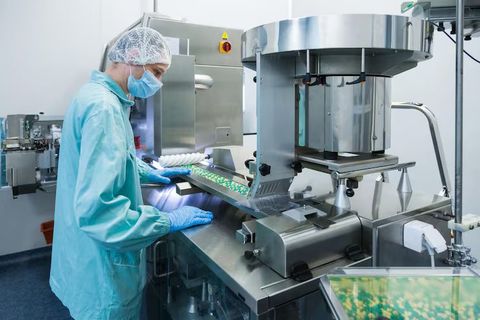
Different industries use different designs depending on their operational needs. A pharmaceutical autoclave is intended for controlled production environments, while industrial autoclave systems may process larger equipment or manufacturing components requiring controlled temperature and pressure.
Common Types
The table below summarizes several commonly used autoclave designs.
| Type | Typical Application | Main Characteristics |
|---|---|---|
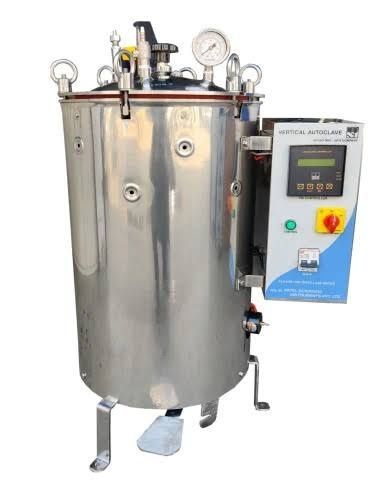
| Vertical autoclave | Laboratories and clinics | Compact design with top-loading chamber |
| Horizontal autoclave | Hospitals and manufacturing facilities | Front-loading chamber for larger loads |
| High pressure autoclave | Industrial and research environments | Operates at higher pressure for specialized processes |
| Pharmaceutical autoclave | Pharmaceutical production | Controlled sterilization cycles with detailed monitoring |
Importance
Why Sterilization Matters
Sterilization helps reduce contamination that could affect research, manufacturing quality, or patient safety. Medical sterilization equipment supports healthcare facilities by preparing reusable instruments for safe handling. Steam sterilization equipment is also widely used for laboratory materials, textiles, glass containers, and selected industrial products.
Reliable sterilization contributes to:
- Reduced risk of microbial contamination.
- Consistent preparation of reusable equipment.
- Improved laboratory and production hygiene.
- Support for quality management systems.
- Protection of workers and end users.
Industries That Use Autoclaves
Many sectors depend on sterilization technology during routine operations.
- Healthcare facilities use hospital autoclave machine equipment for surgical instruments.
- Research organizations operate laboratory autoclave units for laboratory tools and biological materials.
- Pharmaceutical facilities use pharmaceutical sterilization equipment during manufacturing processes.
- Food and biotechnology industries may use industrial autoclave systems for selected production applications.
- Manufacturing environments use high pressure autoclave equipment for specialized industrial processes.
Recent Updates
Current Industry Trends
Between 2024 and 2026, the overall trend has focused on improved automation, digital monitoring, and energy efficiency. Many newer autoclave sterilizer models include touchscreen controls, electronic cycle recording, and remote monitoring capabilities that simplify documentation.
Another noticeable development is the wider use of sensors that continuously measure temperature, pressure, and sterilization time. These features help operators verify that each sterilization cycle follows predefined operating conditions.
Manufacturers are also developing systems that reduce water and energy consumption while maintaining consistent sterilization performance. Integration with digital quality management platforms has become more common, particularly in pharmaceutical and industrial environments.
Laws or Policies
Regulatory Requirements
The use of sterilization autoclaves is guided by regulations and technical standards that vary between countries. Healthcare organizations typically follow national health authority requirements covering sterilization procedures, equipment validation, maintenance schedules, and documentation.
Pharmaceutical facilities generally operate under Good Manufacturing Practice (GMP) regulations, which include strict controls for pharmaceutical autoclave operation and pharmaceutical sterilization equipment. Laboratories often follow biosafety guidelines together with workplace safety regulations for handling biological materials.
International standards published by organizations such as the International Organization for Standardization (ISO) also provide widely recognized guidance for sterilization processes and equipment performance.
Tools and Resources
Helpful References
People learning about sterilization equipment can use several practical resources to understand equipment operation and applicable standards.
Useful resources include:
- Equipment operation manuals supplied by autoclave manufacturers.
- ISO standards related to sterilization processes.
- National public health authority guidance documents.
- GMP guidance for pharmaceutical manufacturing.
- Digital maintenance logs for recording sterilization cycles.
- Calibration records and validation checklists used during routine inspections.
These materials help users understand operating procedures, documentation practices, and routine equipment monitoring.
FAQs
What is an autoclave sterilizer used for?
An autoclave sterilizer uses pressurized steam to sterilize reusable equipment, laboratory materials, and selected manufacturing components by destroying microorganisms under controlled temperature and pressure.
What is the difference between a vertical autoclave and a horizontal autoclave?
A vertical autoclave is loaded from the top and is commonly used where space is limited. A horizontal autoclave loads from the front, making it suitable for larger batches and higher processing volumes.
Where is a pharmaceutical autoclave commonly used?
A pharmaceutical autoclave is used in pharmaceutical manufacturing environments to sterilize equipment, containers, and production materials under carefully controlled operating conditions.
How does steam sterilization equipment work?
Steam sterilization equipment heats water to produce pressurized steam. The steam enters the chamber, reaches the required temperature and pressure, and maintains those conditions for a specified period to achieve sterilization.
Why do laboratories use a laboratory autoclave?
A laboratory autoclave sterilizes glassware, laboratory instruments, culture media, and biological waste, helping maintain clean research environments and reducing contamination risks.
Conclusion
Sterilization autoclaves remain an important part of healthcare, laboratory research, pharmaceutical manufacturing, and industrial production. Different designs, including vertical autoclave, horizontal autoclave, and high pressure autoclave models, support a wide range of applications. Ongoing improvements in automation, monitoring, and efficiency continue to shape modern steam sterilization equipment while regulatory standards help maintain consistent operating practices.