Tenoning Machines Guide: Discover Features, Types, and Expert Advice
Tenoning machines are specialized woodworking machines designed to create tenons, which are projections at the end of a piece of wood used in joinery. These tenons fit into corresponding mortises to form strong and durable joints. This process, known as mortise-and-tenon joinery, has been used for centuries in furniture making, construction, and carpentry.
With the advancement of industrial woodworking, manual techniques have evolved into automated processes. Tenoning machines were developed to improve precision, speed, and consistency in producing wood joints.
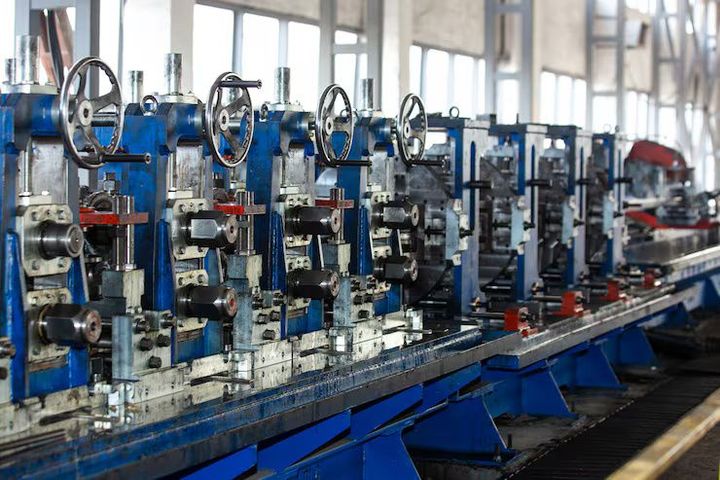
Modern tenoning machines are powered by electric motors and often controlled using CNC systems. They can perform cutting, shaping, and profiling tasks, making them essential for producing doors, windows, furniture frames, and structural components.
Types of Tenoning Machines
Different types of tenoning machines are used depending on production scale and requirements:
- Single-end tenoning machines
- Double-end tenoning machines
- CNC tenoning machines
- Automatic and semi-automatic tenoners
Each type supports varying levels of automation and output efficiency.
Importance
Tenoning machines play a vital role in woodworking and manufacturing industries. Their main function is to create strong joints that ensure durability and structural integrity in wooden products.
The growing demand for high-quality furniture and sustainable construction materials has increased their relevance. These machines also support mass production with consistent accuracy and reduced waste.
Key Benefits
- High precision and repeatability
- Reduced manual labor and human error
- Increased production efficiency
- Support for complex and custom designs
Industries Using Tenoning Machines
- Furniture manufacturing
- Construction and carpentry
- Interior design and cabinetry
- Wood-based panel production
Automation and digital integration also allow these machines to be part of smart production systems, improving workflow efficiency.
Recent Updates
In 2025, several advancements have improved the performance and capabilities of tenoning machines. One major trend is the adoption of Industry 4.0 technologies, including smart sensors and real-time monitoring systems.
CNC-controlled machines are becoming more popular due to their ability to produce complex and customized designs. These machines enhance flexibility and precision in modern manufacturing.
Latest Developments
- Improved dust extraction systems for safer operations
- Energy-efficient motors to reduce power consumption
- Advanced safety features like automatic shut-off
- Enhanced software interfaces for easier programming
There is also a shift toward compact and modular machine designs, making them suitable for smaller workshops.
Laws or Policies
Tenoning machines must comply with safety and environmental regulations across different regions. These regulations ensure safe operation and minimize risks to workers and the environment.
Key Regulatory Areas
- Workplace safety standards
- Dust and air quality control
- Electrical safety compliance
- Noise level restrictions
In India, regulations are guided by the Factories Act and occupational safety standards. Employers must implement proper machine guarding, ventilation, and training systems.
In the European Union, machines must meet CE marking and Machinery Directive requirements. In the United States, OSHA provides safety guidelines for machinery operation.
Tools and Resources
Various tools and technologies support the operation and optimization of tenoning machines. These tools help improve accuracy, efficiency, and automation in woodworking processes.
Common Tools
- CAD software for designing components
- CAM software for machine programming
- CNC control systems for automation
- Dust collection systems
- Measurement and calibration tools
Useful File Formats
- DXF files for design transfer
- G-code for CNC machine instructions
Machine Comparison Table
| Machine Type | Automation Level | Suitable Application | Precision Level |
|---|---|---|---|
| Single-End Tenoner | Low | Small-scale woodworking | Moderate |
| Double-End Tenoner | Medium | Batch production | High |
| CNC Tenoning Machine | High | Complex designs and mass output | Very High |
Basic Workflow
- Design the component using CAD software
- Convert design into machine instructions (CAM)
- Load material into the machine
- Perform cutting and shaping
- Inspect finished output for accuracy
Additional resources include technical manuals, training programs, and safety guides.
FAQs
What is a tenoning machine used for?
A tenoning machine is used to create tenons on wooden pieces. These are essential for forming strong and durable joints in woodworking.
What is the difference between single-end and double-end machines?
Single-end machines process one side at a time, while double-end machines process both ends simultaneously. This improves production efficiency.
Are CNC tenoning machines better?
CNC machines offer higher precision, automation, and flexibility. They are ideal for complex designs and large-scale production.
What safety measures are required?
Operators should use protective equipment, follow safety guidelines, and ensure proper machine guarding and ventilation.
Which industries use tenoning machines?
Common industries include furniture manufacturing, construction, cabinetry, and interior design.
Additional Insights and Trends
The woodworking industry is increasingly adopting digital transformation strategies. Tenoning machines are now integrated into interconnected systems that improve production efficiency.
Industry Focus Areas (2025)
| Focus Area | Priority Level |
|---|---|
| Automation Integration | High |
| Precision Engineering | High |
| Energy Efficiency | Moderate |
| Operator Safety | High |
Hybrid machines that combine multiple woodworking functions are also gaining popularity. These machines reduce the need for separate equipment and save space.
Sustainability is another key trend, with manufacturers focusing on reducing waste and improving energy efficiency.
Conclusion
Tenoning machines are essential in modern woodworking, enabling precise and strong joints for a wide range of products. They play a critical role in improving production efficiency and maintaining quality standards.
Advancements in CNC technology, automation, and smart manufacturing have further enhanced their capabilities. At the same time, safety and environmental regulations ensure responsible usage.
Understanding their types, applications, and benefits helps businesses and professionals make informed decisions. As technology evolves, tenoning machines will continue to support efficient and sustainable manufacturing processes.