Tube Bending Machines Insights: Automation, Accuracy and Modern Applications
Tube bending machines are industrial machines designed to form tubes and pipes into specific angles, curves, and shapes without cutting the material into separate sections. They are used with materials such as carbon steel, stainless steel, aluminum, copper, and various alloys.
The basic purpose is simple: create a controlled bend while maintaining the required tube shape and dimensional accuracy. Depending on the machine design, bending can be performed manually, hydraulically, electrically, or through computer-controlled systems.
Modern tube bending machines can incorporate automated feeding, programmable controls, digital measurement, and multi-axis movement. These features make them suitable for applications where repeatability and consistent geometry are important.
How Does Tube Bending Work?
A tube is positioned inside a bending setup that applies controlled force around a forming die. Different tooling arrangements are selected according to the tube diameter, wall thickness, material, bend radius, and required geometry.
Common bending methods include:
- Rotary draw bending
- Roll bending
- Press bending
- Compression bending
- Mandrel bending
- CNC tube bending
The choice depends on the required shape and the characteristics of the tube. Mandrel bending, for example, can help control deformation when producing tighter bends.
Importance
Why Tube Bending Matters in Modern Manufacturing
Tube bending plays an important role in industries where curved tubular components are needed. Producing a required shape accurately can reduce unnecessary joints and simplify component assembly.
Industries commonly associated with tube bending include:
- Automotive manufacturing
- Aerospace production
- Industrial equipment
- Construction
- HVAC systems
- Furniture manufacturing
- Energy infrastructure
- Agricultural machinery
- Medical equipment manufacturing
- General metal fabrication
The technology also supports more consistent production. When a bending process is properly programmed and controlled, repeated components can follow the same dimensional specifications.
Accuracy and Material Efficiency
Accuracy is one of the most important considerations in tube forming. An incorrect bend angle or radius can affect how a component fits with other parts.
Modern equipment may use programmable bend sequences, digital positioning systems, and measurement functions to improve process control.
Material efficiency is another consideration. Properly planned tube geometry can reduce the number of separate components and joining operations required for an assembly.
Automation and CNC Technology
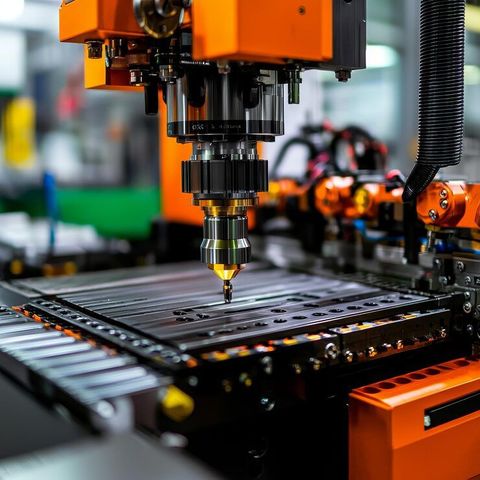
Computer numerical control has changed the way many tube bending processes are managed. CNC systems can store bending parameters and execute programmed sequences with limited manual intervention.
Automation can include:
- Automatic tube feeding
- Programmable bending sequences
- Digital angle control
- Automatic rotation
- Multi-axis positioning
- Process monitoring
- Production data collection
Automation does not remove the need for skilled process planning. Operators still need to select appropriate tooling, verify material characteristics, establish bending parameters, and inspect finished components.
Common Tube Bending Methods
| Method | Typical Characteristics | Common Applications |
|---|---|---|
| Rotary draw | Controlled and precise bends | Automotive and equipment components |
| Mandrel bending | Supports the tube during tight bends | Thin-wall tubing |
| Roll bending | Produces gradual curves | Large-radius structures |
| Press bending | Simple forming approach | General fabrication |
| Compression bending | Forms tubing around a die | Frames and structural parts |
| CNC bending | Programmable multi-step forming | Repeated production |
Recent Updates
Automation Trends During 2025–2026
During 2025 and 2026, industrial tube bending technology has continued moving toward greater automation, digital process control, and data-based manufacturing.
One noticeable trend is the integration of CNC controls with automated material handling. Instead of treating bending as an isolated operation, manufacturers increasingly connect forming equipment with upstream and downstream production stages.
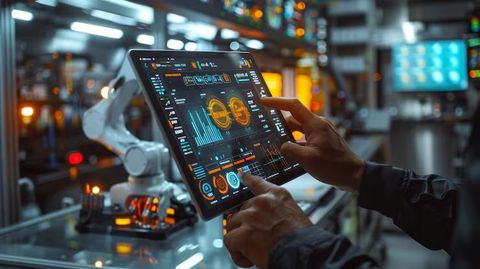
Digital monitoring is also becoming more important. Sensors and control systems can track selected process parameters and help identify deviations during production.
Greater Use of Digital Manufacturing
Digital manufacturing systems can connect machine data with production planning and quality processes. This can help manufacturers understand production performance and identify recurring process variations.
Another development is the wider use of simulation and digital programming. Before physical production begins, engineers can evaluate bending sequences, tooling requirements, and potential interference between the tube and machine components.
Artificial Intelligence and Predictive Analysis
Artificial intelligence is gradually being explored in industrial manufacturing for pattern recognition, quality monitoring, maintenance analysis, and process optimization.
In tube bending, data-driven systems may help identify unusual machine behavior or recurring dimensional deviations. However, AI-based systems should be treated as supporting technologies rather than automatic replacements for engineering validation.
Demand for Flexible Production
Manufacturers increasingly need equipment that can handle different tube dimensions and geometries. Flexible tooling, programmable controls, and quick setup features can support production environments with varied component requirements.
This is particularly relevant for industries developing multiple product configurations rather than producing only one standardized tube shape.
Laws or Policies
Industrial Safety Requirements
Tube bending machines contain moving components, forming tools, electrical systems, and mechanical or hydraulic equipment. Their operation therefore falls under workplace machinery safety requirements in many countries.
In India, manufacturers and industrial users may need to consider applicable occupational safety, machinery, electrical, and environmental requirements depending on the facility and application.
Important safety practices generally include:
- Machine guarding
- Emergency stop controls
- Operator training
- Electrical safety
- Lockout and isolation procedures
- Regular equipment inspection
- Safe handling of long tubes
- Appropriate personal protective equipment
International Manufacturing Standards
Companies working across international markets may also refer to recognized machinery safety and quality frameworks. Depending on the machine and destination market, applicable requirements can include machinery safety standards, electrical safety standards, and material specifications.
The exact requirements depend on the country, machine configuration, workplace, and intended application. Regulations should therefore be checked against the latest national and regional requirements before equipment is commissioned.
Tools and Resources
Useful Tools for Tube Bending
Several general tools and resources can support tube bending planning and production:
- Bend allowance calculators: Help estimate material requirements around a bend.
- Bend deduction calculators: Assist with determining dimensions before forming.
- Tube geometry calculators: Help calculate bend radius, angle, and developed length.
- CAD software: Used to design and inspect tube assemblies.
- CNC programming software: Helps prepare machine sequences.
- Digital measuring tools: Used to verify angles, diameters, and component dimensions.
- Inspection templates: Help standardize dimensional checks.
- Maintenance checklists: Support routine machine inspections.
- Material reference tables: Provide information about common tube materials and properties.
- Technical training resources: Help operators understand tooling, machine setup, and safe operating procedures.
A useful production workflow generally begins with engineering drawings and material specifications. The required bend radius, tube diameter, wall thickness, bend angle, and tolerance should be established before selecting tooling and programming the machine.
FAQs
What Is a Tube Bending Machine Used For?
A tube bending machine is used to form tubes into specified angles, curves, and geometric shapes. It is commonly used for tubular components in automotive, construction, industrial equipment, HVAC, energy, and fabrication applications.
What Is CNC Tube Bending?
CNC tube bending uses computer-controlled machine movements to perform programmed bending operations. It can control parameters such as bend angle, tube rotation, positioning, and bending sequence.
Which Materials Can Be Bent?
Tube bending machines can process materials such as carbon steel, stainless steel, aluminum, copper, and selected alloys. The appropriate method depends on the material's mechanical properties, diameter, wall thickness, and required bend geometry.
Why Is a Mandrel Used in Tube Bending?
A mandrel supports the inside of a tube during certain bending operations. It can help reduce problems such as excessive flattening, wrinkling, or deformation, particularly when producing tighter bends.
How Is Tube Bending Accuracy Maintained?
Accuracy can be supported through appropriate tooling, correct machine setup, controlled bending parameters, digital positioning, calibration, and dimensional inspection. Material variation and springback should also be considered during process planning.
Conclusion
Tube bending machines have developed from relatively straightforward forming equipment into sophisticated manufacturing systems capable of programmable and automated operations. CNC controls, digital measurement, automated handling, and data-based monitoring are increasingly shaping modern tube production.