Warehouse Automation Systems: A Complete Guide to Modern Storage and Material Flow
Warehouse automation systems are technologies that help warehouses move, store, track, and organize goods with limited manual work.
They combine machines, software, and digital tools to improve material movement from receiving to shipping. As supply chains have become more complex, automated warehouse systems have become an important part of modern storage facilities.
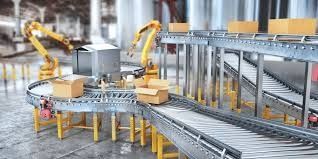
Many warehouses now use warehouse automation solutions to manage growing product volumes and changing customer expectations. These systems may include warehouse robotics, warehouse conveyor systems, warehouse sorting systems, and warehouse management system software working together through warehouse system integration. Their purpose is to improve accuracy, visibility, and efficiency throughout warehouse operations.
Context
How Warehouse Automation Developed
Traditional warehouses relied mainly on manual processes for storing and moving goods. As inventory levels increased and distribution networks expanded, organizations introduced machines and digital systems to reduce repetitive tasks and improve tracking.
Today, industrial warehouse automation combines physical equipment with software that coordinates inventory, storage locations, and material movement. Material handling automation supports many industries, including manufacturing, retail, healthcare, food processing, and e-commerce.
Importance
Why Automation Matters
Modern warehouses handle thousands of products every day. Managing inventory accurately while moving goods quickly has become more challenging as product variety continues to grow.
Warehouse automation systems help address several common challenges:
- Faster movement of inventory between storage and shipping areas
- Improved inventory accuracy through digital tracking
- Reduced repetitive manual handling
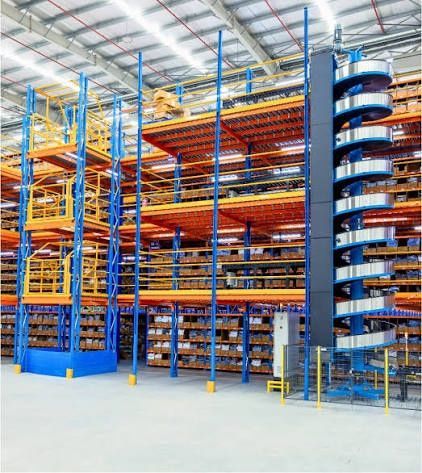
- Better use of available warehouse space
- More consistent workflows during busy periods
Fulfillment center automation also helps distribution facilities process incoming and outgoing products more efficiently. Combined with logistics automation software, warehouses can monitor inventory levels, shipment progress, and storage locations in near real time.
Common Components
The following table summarizes several common automation technologies.
| Component | Primary Purpose |
|---|---|
| Warehouse management system | Tracks inventory and coordinates warehouse activities |
| Warehouse robotics | Moves products and assists with picking tasks |
| Warehouse conveyor systems | Transfers goods between different warehouse areas |
| Warehouse sorting systems | Directs products toward correct destinations |
| Logistics automation software | Connects warehouse data with transportation planning |
| Warehouse system integration | Connects multiple systems into one coordinated workflow |
Recent Updates
Current Industry Trends
Recent developments have focused on making warehouse automation solutions more flexible and connected rather than relying only on large mechanical systems.
Several current trends include:
- Increased use of artificial intelligence to improve inventory planning.
- More autonomous warehouse robotics capable of navigating changing layouts.
- Wider adoption of cloud-connected warehouse management system platforms.
- Greater use of digital sensors for monitoring equipment performance.
- Improved warehouse system integration between inventory, transportation, and production systems.
Industrial warehouse automation is also becoming more modular, allowing facilities to expand automation gradually as operational needs change.
Laws or Policies
Regulations That Influence Automation
The use of warehouse automation systems is shaped by workplace safety regulations, equipment standards, and data protection requirements. Although regulations differ between countries, several common areas influence warehouse operations.
These commonly include:
- Occupational safety rules for machinery operation.
- Electrical and mechanical equipment standards.
- Data privacy requirements for digital inventory systems.
- Environmental regulations related to energy efficiency and waste management.
Organizations using automated warehouse systems normally follow national workplace safety guidance while maintaining equipment according to applicable technical standards.
Tools and Resources
Helpful Digital Resources
Several digital tools support warehouse planning and daily operations alongside physical automation equipment.
Useful resources include:
- Warehouse management system software for inventory tracking.
- Logistics automation software for shipment planning.
- Warehouse layout planning applications.
- Barcode and RFID management platforms.
- Inventory forecasting tools.
- Equipment maintenance scheduling software.
- Digital warehouse performance dashboards.
- Industry standards published by logistics and manufacturing organizations.
These resources help warehouse operators understand system performance, monitor inventory movement, and coordinate multiple automation technologies.
FAQs
What are warehouse automation systems?
Warehouse automation systems combine software, machines, and digital technology to manage inventory, storage, product movement, and shipping with reduced manual handling.
How do warehouse automation solutions improve warehouse operations?
Warehouse automation solutions improve inventory visibility, reduce repetitive handling, coordinate material movement, and support more consistent warehouse processes through connected technologies.
What is the role of a warehouse management system?
A warehouse management system records inventory, tracks product locations, coordinates receiving and shipping activities, and communicates with other warehouse technologies.
How do warehouse robotics work with warehouse conveyor systems?
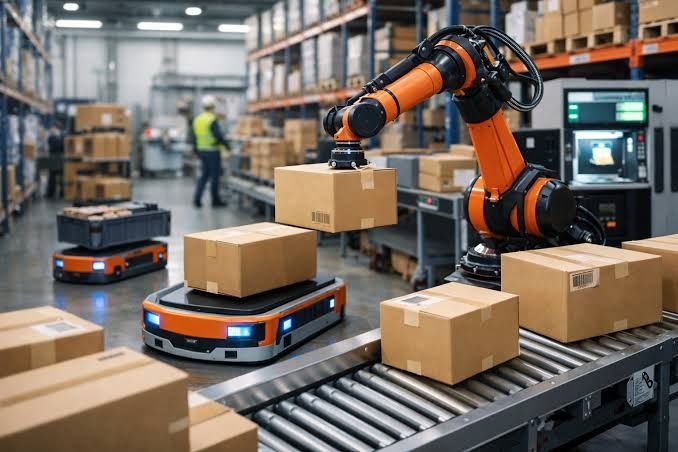
Warehouse robotics can transport, pick, or place products while warehouse conveyor systems move items between storage, packing, and shipping areas. Together they support efficient material flow.
What is material handling automation?
Material handling automation refers to automated equipment and software used to transport, store, retrieve, and organize products throughout a warehouse or distribution facility.
Conclusion
Warehouse automation systems combine software, equipment, and digital technology to improve storage, inventory management, and material movement. Technologies such as warehouse robotics, warehouse conveyor systems, warehouse sorting systems, and logistics automation software work together through warehouse system integration. As automation continues to evolve, warehouses are adopting connected and flexible solutions that support efficient operations while following applicable safety and technical requirements.