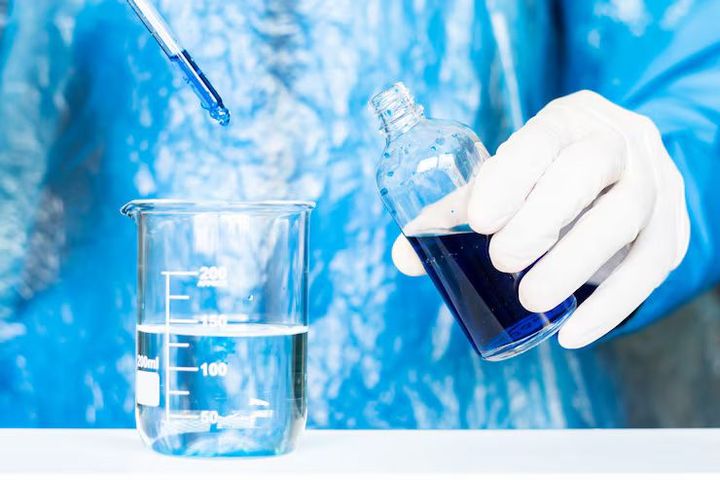
Water naturally contains impurities such as bacteria, heavy metals, organic matter, and suspended solids. Without proper treatment, these contaminants can pose risks to both human health and infrastructure.
Water treatment processes use a combination of physical, biological, and chemical methods. Among these, chemicals play a crucial role in accelerating and improving purification efficiency.
Common Types of Water Treatment Chemicals
Water treatment chemicals are categorized based on their specific functions in the purification process:
-
Coagulants and flocculants: Help remove suspended particles
-
Disinfectants: Eliminate harmful microorganisms
-
pH adjusters: Maintain optimal acidity or alkalinity
-
Corrosion inhibitors: Protect pipelines and equipment
-
Scale inhibitors: Prevent mineral buildup in systems
These chemicals are widely used across industries such as drinking water plants, wastewater treatment facilities, and manufacturing systems.
Importance – Why Water Treatment Chemicals Matter Today
Access to clean and safe water is a global priority due to rising population, industrialization, and environmental challenges. Effective water quality management is now more critical than ever.
Water treatment chemicals play a vital role in ensuring water safety and usability across multiple sectors.
Key Benefits
-
Protect public health by removing disease-causing pathogens
-
Support industrial efficiency by preventing equipment damage
-
Enable water reuse for agriculture and industrial purposes
-
Reduce environmental pollution in natural water bodies
Industries That Rely on These Chemicals
-
Municipal water systems
-
Food and beverage industries
-
Power plants and cooling systems
-
Pharmaceutical manufacturing
-
Agriculture and irrigation
Water contamination from industrial discharge, agricultural runoff, and urban waste is a major issue these chemicals help address. They also prevent scaling and corrosion, which can damage infrastructure.
Recent Updates – Trends and Developments in 2025
The water treatment sector continues to evolve with technological advancements and environmental awareness. In 2025, several key trends are shaping the industry.
Key Trends
-
Eco-friendly chemicals: Growing use of biodegradable and low-toxicity solutions
-
Advanced oxidation processes (AOPs): Effective for removing micropollutants
-
Digital water monitoring: Integration of smart sensors and analytics
-
Stricter regulations: Focus on emerging contaminants like PFAS
-
Desalination advancements: Improved efficiency through chemical treatment
A notable development in March 2025 included increased research funding for sustainable water treatment technologies, focusing on reducing chemical waste and improving efficiency.
Laws or Policies – Regulatory Framework and Compliance
Water treatment chemicals are governed by strict regulations to ensure safety and environmental protection. These rules help maintain water quality and reduce risks.
Key Regulations in India
-
Bureau of Indian Standards (BIS): Defines drinking water standards (IS 10500)
-
Central Pollution Control Board (CPCB): Regulates wastewater discharge
-
National Water Policy: Promotes sustainable water management
Global Regulatory Frameworks
-
Environmental Protection Agency (EPA) – United States
-
European Union Water Framework Directive
-
World Health Organization (WHO) drinking water standards
Areas Covered by Regulations
-
Permitted chemical concentration levels
-
Safe handling and storage practices
-
Environmental discharge limits
-
Monitoring and reporting requirements
Organizations must comply with these regulations to ensure both safety and sustainability.
Tools and Resources – Helpful Platforms and Technologies
Modern tools and technologies support efficient water treatment planning and monitoring. These solutions help improve accuracy and optimize chemical usage.
Common Tools
-
Water quality monitoring systems (pH, turbidity, oxygen levels)
-
Chemical dosing calculators
-
Simulation software for treatment processes
-
Data analytics platforms for performance tracking
Useful Resources
-
Government water quality dashboards
-
Environmental data portals
-
Research journals and publications
-
Industry standards and guidelines
Common Water Treatment Chemicals and Functions
| Chemical Type | Example | Primary Function |
|---|
| Coagulants | Alum | Remove suspended particles |
| Disinfectants | Chlorine | Kill bacteria and viruses |
| pH Adjusters | Lime | Control acidity/alkalinity |
| Corrosion Inhibitors | Phosphates | Protect pipes and equipment |
| Scale Inhibitors | Polyphosphates | Prevent mineral buildup |
These tools and resources are essential for maintaining efficient and safe water systems.
FAQs – Common Questions About Water Treatment Chemicals
What are water treatment chemicals used for?
They are used to remove contaminants, disinfect water, and improve overall quality for safe use in households, industries, and agriculture.
Are water treatment chemicals safe?
Yes, when used according to regulatory guidelines. Proper dosing and monitoring are essential to ensure safety.
What is the most commonly used disinfectant?
Chlorine is widely used due to its effectiveness in eliminating bacteria and viruses.
Can treated water be reused?
Yes, treated water can be reused for irrigation, industrial use, and even drinking after advanced purification.
How are the right chemicals selected?
Selection depends on water quality, intended use, regulatory standards, and system design. Testing and analysis are essential steps.
Conclusion – A Foundation for Safe and Sustainable Water Use
Water treatment chemicals are essential for maintaining clean and safe water systems. They help remove contaminants, protect infrastructure, and support a wide range of industries.
As environmental concerns grow, the focus is shifting toward sustainable and efficient solutions. Technological advancements are improving precision while reducing environmental impact.
Understanding water treatment chemicals provides valuable insight into modern water management. With continued innovation and responsible use, they will remain vital for public health and environmental sustainability.