Asphalt Mixing Plants: Explore Modern Technology and Production Techniques
Asphalt mixing plants play an important role in modern transportation infrastructure.
These facilities produce asphalt mixtures used in roads, highways, airport runways, parking areas, and other paved surfaces. The development of asphalt mixing plants has evolved alongside the growth of transportation networks, helping meet the increasing demand for durable and efficient road construction.
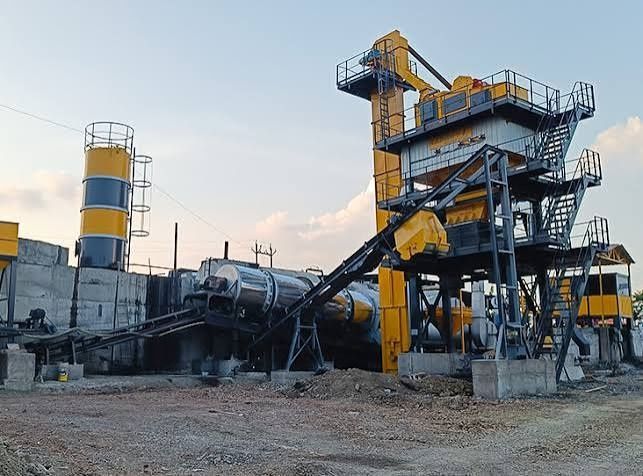
The basic purpose of an asphalt plant is to combine aggregates such as stone, sand, and gravel with asphalt binder under controlled conditions. The resulting mixture is then transported to construction sites for paving projects. Over time, advancements in engineering and automation have transformed traditional production methods into more efficient and environmentally conscious processes.
Today, various types of asphalt mixing plants are available to support different construction requirements. These include the mobile asphalt mixing plant, batch mix asphalt plant, drum mix asphalt plant, and hot mix asphalt plant. Each type is designed to address specific production needs and site conditions.
Many asphalt plant manufacturers continue to develop equipment with enhanced monitoring systems, automation features, and sustainability-focused technologies. These innovations contribute to improved production consistency while supporting the growing demand for modern road construction equipment and highway construction machinery.
Importance
Supporting Transportation Infrastructure
Road networks are essential for the movement of people and goods. Asphalt mixing plants provide the materials necessary for building and maintaining highways, urban streets, rural roads, and industrial transportation routes. Without reliable asphalt production, transportation infrastructure development would face significant challenges.
Improving Construction Efficiency
Modern asphalt plants help construction teams produce large quantities of asphalt within controlled operating conditions. This allows paving projects to proceed according to planned schedules while maintaining material consistency.
Several benefits include:
- Consistent asphalt quality
- Controlled production processes
- Reduced material waste
- Better monitoring of raw materials
- Adaptability to various project sizes
Meeting Diverse Project Requirements
Different construction projects require different production methods. A mobile asphalt mixing plant can be relocated to project sites, making it useful for temporary or remote operations. In contrast, larger industrial asphalt plant solutions may be used for long-term infrastructure projects requiring continuous production.
Supporting Economic Development
Reliable transportation infrastructure contributes to trade, logistics, tourism, and regional connectivity. Asphalt plants indirectly support these activities by supplying materials used in road development and maintenance projects.
Recent Updates
Smart Asphalt Plant Technology
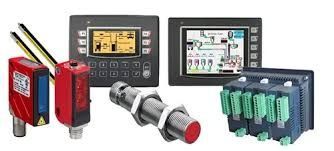
One of the most notable trends is the adoption of smart asphalt plant technology. Modern facilities increasingly use digital monitoring systems that collect real-time production data. These systems help operators track temperature, fuel consumption, material flow, and equipment performance.
Smart technologies often include:
- Remote monitoring platforms
- Automated control systems
- Predictive maintenance tools
- Production analytics dashboards
- Digital quality management systems
These developments help improve operational visibility and support informed decision-making.
Increased Focus on Sustainability
Environmental considerations have become increasingly important in road construction. Many asphalt plant manufacturers are incorporating technologies designed to reduce emissions and improve energy efficiency.
Examples include:
- Enhanced dust collection systems
- Recycled asphalt pavement integration
- Improved burner technologies
- Energy-efficient insulation systems
- Material recycling processes
The use of reclaimed asphalt materials is becoming more common, helping reduce the consumption of virgin raw materials.
Growth of Mobile Production Facilities
Demand for mobile asphalt mixing plant solutions continues to increase in regions where infrastructure projects are spread across large geographic areas. Mobile plants can be transported between locations, reducing the need to move asphalt over long distances.
This flexibility supports road construction activities in remote areas and temporary project locations.
Advanced Maintenance Systems
Modern asphalt plant spare parts management has become more data-driven. Equipment operators increasingly use maintenance software to monitor wear patterns and schedule inspections.
Improved maintenance planning helps reduce unexpected equipment downtime and supports longer operational life for critical machinery.
Comparison of Common Asphalt Plant Types
| Plant Type | Production Method | Mobility | Typical Application |
|---|---|---|---|
| Batch Mix Asphalt Plant | Produces asphalt in separate batches | Low | Projects requiring multiple mix designs |
| Drum Mix Asphalt Plant | Continuous production process | Low to Medium | Large-volume paving projects |
| Mobile Asphalt Mixing Plant | Portable production system | High | Remote and temporary construction sites |
| Hot Mix Asphalt Plant | Produces heated asphalt mixtures | Varies | Roads, highways, and airport pavements |
Laws or Policies
Environmental Regulations
Many countries regulate emissions generated by industrial facilities, including asphalt plants. Environmental agencies often establish limits for particulate matter, dust, and combustion-related emissions.
Plant operators may be required to install filtration systems and conduct regular environmental monitoring to comply with these regulations.
Occupational Safety Requirements
Road construction equipment and asphalt production facilities must comply with workplace safety standards. Regulations often address:
- Equipment operation procedures
- Worker protective equipment
- Emergency response planning
- Hazard communication practices
- Machinery maintenance requirements
These measures help reduce workplace risks associated with high temperatures, heavy machinery, and material handling.
Infrastructure Development Programs
Government infrastructure initiatives frequently influence asphalt production demand. Public investment in highways, bridges, and transportation corridors often creates requirements for asphalt supply and related highway construction machinery.
Many transportation agencies also establish technical specifications that asphalt mixtures must meet before use in public projects.
Recycling and Sustainability Policies
Some jurisdictions encourage or require the use of recycled construction materials. Asphalt producers may incorporate reclaimed asphalt pavement into production processes while meeting established quality standards.
These policies support resource conservation and waste reduction objectives.
Tools and Resources
Production Management Software
Many modern asphalt plants use software platforms to manage production activities. These systems help track material usage, production volumes, equipment status, and operational performance.
Laboratory Testing Equipment
Quality control laboratories use specialized tools to evaluate asphalt mixtures. Common testing equipment includes:
- Aggregate analysis instruments
- Asphalt content testing devices
- Density measurement equipment
- Temperature monitoring systems
- Material sampling tools
Equipment Monitoring Platforms
Smart asphalt plant technology often includes monitoring platforms that provide real-time operational data. These platforms can assist with maintenance scheduling and production analysis.
Industry Standards and Technical Resources
Organizations involved in transportation engineering publish technical guidelines and standards related to asphalt production and paving practices. These resources help industry participants maintain consistency and quality.
Spare Parts Management Systems
Digital inventory systems are increasingly used to manage asphalt plant spare parts. These platforms help operators track component availability and maintenance schedules while reducing delays caused by unavailable replacement parts.
FAQs
What is an asphalt mixing plant?
An asphalt mixing plant is a facility that combines aggregates and asphalt binder to produce paving materials used in roads, highways, airports, and other transportation infrastructure projects.
What is the difference between a batch mix asphalt plant and a drum mix asphalt plant?
A batch mix asphalt plant produces asphalt in separate batches, allowing different mix designs to be created. A drum mix asphalt plant uses a continuous production process, making it suitable for large-volume projects requiring consistent output.
Why is a mobile asphalt mixing plant used?
A mobile asphalt mixing plant can be transported between project locations. This mobility makes it useful for remote construction sites, temporary projects, and areas where permanent production facilities are not available.
How does smart asphalt plant technology improve operations?
Smart asphalt plant technology uses sensors, automation systems, and digital monitoring tools to track production processes in real time. These systems help monitor quality, equipment performance, and operational efficiency.
Why are asphalt plant spare parts important?
Asphalt plant spare parts help maintain equipment functionality and support routine maintenance activities. Proper spare parts management can reduce downtime and help ensure continuous production operations.
Conclusion
Asphalt mixing plants are essential components of modern transportation infrastructure, producing the materials needed for roads, highways, and other paved surfaces. Advances in automation, sustainability initiatives, and smart asphalt plant technology continue to influence production methods and equipment design. Different plant types, including the mobile asphalt mixing plant, batch mix asphalt plant, drum mix asphalt plant, and hot mix asphalt plant, support a wide range of construction requirements. Regulatory standards, maintenance practices, and digital tools also play important roles in ensuring efficient and consistent asphalt production.