Battery Assembly Machines Guide: Key Components, Uses, and Manufacturing Insights
Battery assembly machines are specialized manufacturing systems designed to assemble different parts of batteries into complete energy storage units. These machines are commonly used in large-scale production environments where consistency, precision, and efficiency are essential. Modern battery production relies heavily on automated assembly processes to ensure reliable performance and safety.
Batteries are essential components in modern technologies such as smartphones, laptops, electric vehicles, and renewable energy systems. Their complex structure includes multiple layers like electrodes, separators, and casings, which require precise assembly.
Automated battery assembly machines help ensure that these components are accurately aligned and properly sealed. This automation improves production efficiency and maintains consistent product quality.
Battery assembly machines perform several key steps in the manufacturing process, including:
- Electrode stacking
- Cell winding
- Electrolyte filling
- Sealing
- Testing
- Packaging
Common types of batteries produced using these machines include:
- Lithium-ion batteries
- Nickel-metal hydride batteries
- Lead-acid batteries
- Solid-state batteries
- Lithium iron phosphate batteries
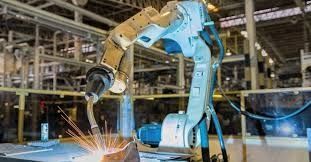
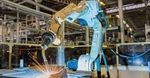
Modern systems often integrate robotics, inspection tools, and automation platforms to enhance production accuracy and efficiency.
Importance of Battery Assembly Machines
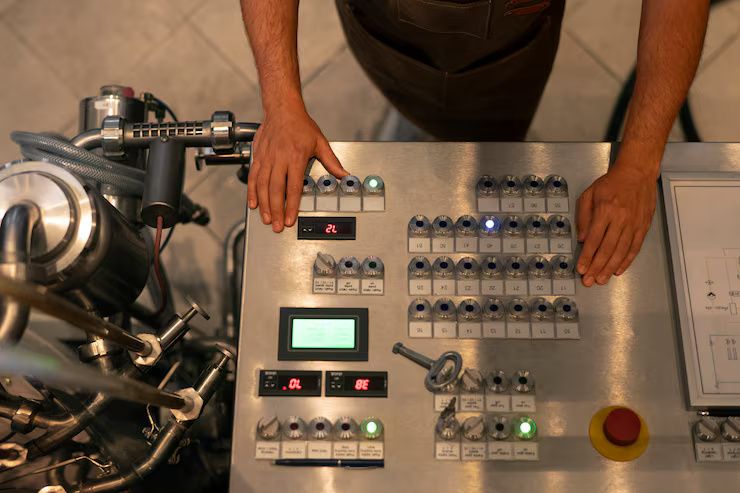
Battery assembly machines play a critical role in meeting the growing global demand for energy storage. Industries such as electric vehicles and renewable energy depend heavily on efficient battery production.
These machines support several key applications:
- Electric vehicle development
- Renewable energy storage systems
- Consumer electronics manufacturing
- Industrial automation systems
- Smart grid infrastructure
Precise manufacturing is essential because even minor errors in assembly can impact battery performance. Automated systems help maintain consistency and reduce defects.
Industries That Rely on Battery Assembly
Several industries depend on battery assembly technology for their operations:
- Automotive manufacturing
- Consumer electronics production
- Renewable energy technology
- Aerospace engineering
- Telecommunications infrastructure
As clean energy adoption increases, battery assembly systems are becoming more important for sustainable energy solutions.
Recent Updates in Battery Assembly Technology
The battery manufacturing industry has seen rapid advancements, especially in 2025. Increased automation is one of the most significant trends shaping production processes.
Manufacturers are integrating advanced technologies such as:
- Robotics
- Machine vision systems
- Artificial intelligence
These technologies improve quality control and reduce production variability.
Solid-State Battery Developments
Solid-state batteries are gaining attention due to their potential for higher energy density and improved safety. In 2025, pilot production lines were introduced using specialized assembly techniques.
Digital Manufacturing and IIoT
Modern facilities now use digital systems to monitor production in real time. These systems track:
- Cell alignment accuracy
- Assembly speed
- Defect detection rates
- Machine vibration levels
Industrial Internet of Things (IIoT) platforms connect machines to centralized monitoring systems, improving efficiency and decision-making.
Laws and Policies
Battery manufacturing is governed by various regulations to ensure safety, environmental protection, and product quality. These policies help maintain responsible production practices.
Key regulatory areas include:
- Environmental protection standards for chemical handling
- Occupational safety regulations for workers
- Recycling policies for used batteries
- Energy efficiency programs
Lithium-ion battery production must follow strict safety guidelines related to temperature control and electrolyte handling.
Standards and Compliance
International standards organizations provide technical guidelines for battery production. Quality management systems, such as ISO standards, help ensure consistency and traceability.
Governments also support innovation through research programs and incentives for advanced battery technologies.
Tools and Resources
Battery assembly operations rely on a range of digital tools and engineering systems. These tools help improve monitoring, analysis, and overall production efficiency.
Common tools include:
- Manufacturing execution systems (MES)
- Computer-aided design (CAD) software
- Industrial automation controllers
- Machine vision inspection systems
- Data monitoring dashboards
- Production analytics platforms
Simulation software is also used to test battery designs and optimize performance before production begins.
Battery Assembly Stages
The following table outlines the typical stages in battery assembly:
| Assembly Stage | Description |
|---|---|
| Electrode Preparation | Active materials are coated onto metal foils |
| Cell Stacking or Winding | Electrodes and separators are layered together |
| Electrolyte Filling | Liquid electrolyte enables ion movement |
| Sealing and Formation | Cells are sealed and undergo initial charging |
| Testing and Inspection | Performance and safety checks are conducted |
Common Battery Types and Applications
| Battery Type | Typical Applications |
|---|---|
| Lithium-ion | Electric vehicles, smartphones, laptops |
| Lithium Iron Phosphate | Energy storage systems, electric buses |
| Nickel-Metal Hydride | Hybrid vehicles, portable electronics |
| Lead-Acid | Backup power, industrial equipment |
Industrial analytics platforms help manufacturers analyze large datasets and improve machine performance. These insights support predictive maintenance and process optimization.
Frequently Asked Questions
What is a battery assembly machine?
A battery assembly machine is an automated system that combines components like electrodes, separators, and casings into complete battery cells.
Why is automation important in battery manufacturing?
Automation improves precision, consistency, and production efficiency. It also reduces human error and enables real-time monitoring of processes.
Which industries depend on battery assembly machines?
Industries such as automotive, electronics, renewable energy, aerospace, and telecommunications rely heavily on battery production systems.
What types of batteries are commonly produced?
Common battery types include lithium-ion, nickel-metal hydride, lithium iron phosphate, and lead-acid batteries.
How does automation improve battery quality?
Automated systems ensure consistent assembly, reduce defects, and maintain precise control over manufacturing conditions.
Conclusion
Battery assembly machines are essential for producing modern energy storage systems used across multiple industries. They enable precise manufacturing while maintaining high-quality standards.
As demand for electric vehicles and renewable energy grows, battery manufacturing technologies continue to evolve. Innovations such as automation, digital monitoring, and solid-state batteries are shaping the future of the industry.
Regulations and advanced tools further support safe, efficient, and sustainable production. Understanding battery assembly machines helps explain how modern energy solutions are developed and scaled globally.