Beverage Pasteurizers Overview: Understanding Their Role in Beverage Preservation
Beverage pasteurizers are an important part of modern beverage production.
These systems are designed to reduce harmful microorganisms in liquids through controlled heating and cooling processes. The concept of pasteurization originated from the work of French scientist Louis Pasteur, who discovered that heat treatment could help preserve food and beverages while maintaining their quality.
Today, beverage pasteurizers are widely used across industries that produce juices, dairy-based drinks, flavored beverages, teas, coffees, and other liquid products. Various types of beverage pasteurization equipment are available to meet different production needs, ranging from small-scale operations to large industrial facilities.
Modern beverage manufacturing machinery often integrates liquid pasteurization systems with filling, packaging, and storage processes. This integration helps maintain product consistency and supports food safety requirements throughout production.
How Pasteurization Works
Pasteurization involves heating a beverage to a specific temperature for a defined period before cooling it. The process aims to reduce microorganisms that may affect product safety or shorten shelf life.
Common methods include:
- Tunnel pasteurizer systems, which treat sealed containers after filling and packaging.
- Flash pasteurizer equipment, which rapidly heats and cools liquid before packaging.
- Batch pasteurization systems, often used for smaller production volumes.
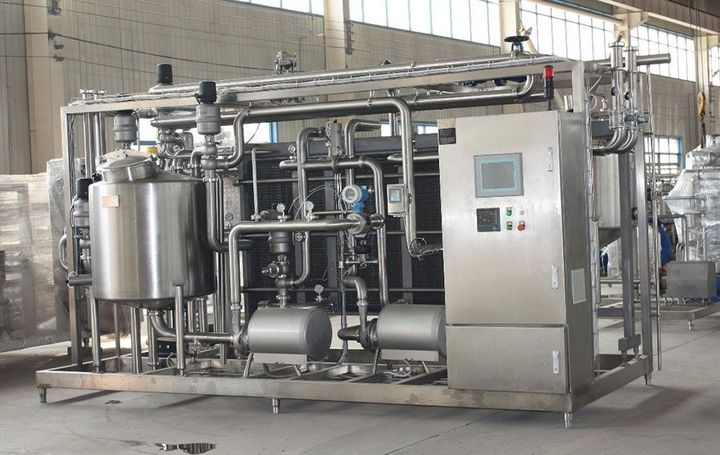
- Continuous liquid pasteurization systems designed for high-volume beverage processing.
Common Applications
Different industries use pasteurization for various products, including:
| Beverage Type | Common Pasteurization Method |
|---|---|
| Fruit juices | Flash pasteurizer equipment |
| Dairy drinks | Dairy beverage pasteurizers |
| Tea and coffee beverages | Continuous liquid pasteurization systems |
| Carbonated beverages | Tunnel pasteurizer systems |
| Functional beverages | Industrial beverage pasteurizers |
Importance
Beverage preservation remains a significant concern for manufacturers, distributors, retailers, and consumers. Without proper preservation methods, beverages may spoil more quickly or become unsafe for consumption.
Beverage pasteurizers help address these challenges by reducing microbial activity while maintaining many of the beverage's original characteristics. This contributes to safer products and more stable storage conditions.
Supporting Food Safety
One of the primary purposes of beverage processing equipment is supporting food safety. Pasteurization helps reduce the presence of bacteria, yeasts, and molds that may affect product quality.
Food safety regulations in many countries require manufacturers to implement validated processing methods. Beverage pasteurization equipment often forms a key part of these safety systems.
Extending Product Stability
Many beverages travel through complex supply chains before reaching consumers. Pasteurization helps products remain stable during transportation, storage, and distribution.
For fruit juices and dairy beverages, maintaining product stability is especially important because these products can be more vulnerable to microbial growth.
Supporting Large-Scale Production
Modern beverage manufacturing machinery allows producers to handle larger production volumes while maintaining consistent processing conditions.
Industrial beverage pasteurizers are commonly integrated with:
- Mixing equipment
- Filtration systems
- Filling lines
- Packaging systems
- Quality control monitoring tools
This integration contributes to more standardized production processes across facilities.
Recent Updates
The beverage industry continues to evolve as manufacturers seek greater efficiency, automation, and sustainability. Recent developments in food and beverage processing systems reflect these priorities.
Increased Automation
Many modern pasteurizer machine manufacturers have incorporated advanced automation features into their systems. Digital controls allow operators to monitor temperature, flow rates, and processing conditions with greater precision.
Automated monitoring can also assist with record-keeping and quality assurance procedures.
Energy Efficiency Improvements
Energy consumption remains an important consideration in beverage production. Newer beverage pasteurization equipment often includes heat recovery systems that reuse thermal energy during processing.
These designs aim to reduce overall energy usage while maintaining required pasteurization conditions.
Smart Monitoring Technologies
Many beverage processing equipment systems now include sensors and digital monitoring platforms. These technologies can provide real-time information regarding:
- Temperature performance
- Flow consistency
- Equipment status
- Production efficiency
- Maintenance requirements
The use of connected systems continues to grow across beverage manufacturing facilities.
Growth in Specialty Beverage Production
Consumer interest in functional beverages, plant-based drinks, cold-brew products, and premium juices has influenced equipment design. Manufacturers increasingly seek flexible liquid pasteurization systems capable of handling diverse beverage formulations.
As a result, juice pasteurizer machines and dairy beverage pasteurizers are being adapted to process a wider range of products.
Laws or Policies
Pasteurization practices are shaped by food safety regulations established by government agencies and regulatory organizations. Requirements vary between countries, but the overall goal remains the protection of public health.
Food Safety Standards
Many countries require beverage manufacturers to follow food safety management systems such as:
- Hazard Analysis and Critical Control Points (HACCP)
- Good Manufacturing Practices (GMP)
- Food Safety Management Systems based on international standards
These frameworks help manufacturers identify and control potential risks during production.
Temperature and Processing Requirements
Regulatory agencies may establish minimum processing requirements for certain beverage categories. Dairy beverages, for example, often have specific pasteurization standards that manufacturers must follow.
Compliance generally requires accurate monitoring and documentation of processing conditions.
Equipment Validation
Food processing facilities are often required to verify that their beverage processing equipment performs consistently. Validation procedures may include temperature testing, microbial assessments, and equipment calibration.
Tunnel pasteurizer systems and flash pasteurizer equipment are commonly subject to validation and routine inspection processes.
Traceability Requirements
Modern regulations increasingly emphasize traceability throughout the food supply chain. Beverage bottling and pasteurization systems may be integrated with tracking technologies that record production details and batch information.
This helps support product recalls and quality investigations when necessary.
Tools and Resources
Several tools and resources help professionals understand, operate, and evaluate beverage pasteurization equipment.
Monitoring and Data Logging Software
Digital monitoring platforms can record:
- Processing temperatures
- Production volumes
- Flow rates
- Equipment performance metrics
These systems help maintain operational records and support compliance activities.
Food Safety Documentation Templates
Food safety programs often use templates for:
- HACCP plans
- Process validation records
- Cleaning schedules
- Equipment maintenance logs
- Quality control documentation
These documents help organize production information and maintain consistency.
Industry Organizations
Food and beverage industry associations publish educational materials related to beverage manufacturing machinery, food safety practices, and processing technologies. These resources often provide technical guidance and regulatory information.
Equipment Simulation and Design Tools
Some engineering platforms allow manufacturers to model production lines before installation. These tools can assist with planning beverage bottling and pasteurization systems and evaluating production workflows.
Laboratory Testing Resources
Laboratory analysis plays an important role in verifying pasteurization effectiveness. Testing may include microbiological assessments, shelf-life studies, and product quality evaluations.
FAQs
What are beverage pasteurizers used for?
Beverage pasteurizers are used to heat and cool beverages under controlled conditions to reduce microorganisms that may affect product safety, quality, or shelf stability.
What is the difference between tunnel pasteurizer systems and flash pasteurizer equipment?
Tunnel pasteurizer systems typically process beverages after they are packaged, while flash pasteurizer equipment treats the liquid before filling. Both methods use controlled heat treatment but differ in production flow and application.
How do juice pasteurizer machines work?
Juice pasteurizer machines heat juice to a specific temperature for a designated period and then cool it. This process helps reduce microbial activity while maintaining product quality characteristics.
Are dairy beverage pasteurizers different from other liquid pasteurization systems?
Dairy beverage pasteurizers are designed to meet the specific processing requirements of milk-based and dairy-derived beverages. They often operate according to regulatory standards established for dairy products.
What types of beverage processing equipment are commonly used alongside pasteurizers?
Pasteurizers are frequently integrated with filtration systems, mixing tanks, filling machines, packaging equipment, and other food and beverage processing systems to create a complete production line.
Conclusion
Beverage pasteurizers play a central role in preserving beverage quality and supporting food safety. Various forms of beverage pasteurization equipment, including tunnel pasteurizer systems, flash pasteurizer equipment, and dairy beverage pasteurizers, are used across many industries. Modern developments continue to focus on automation, efficiency, monitoring technologies, and production flexibility. As beverage manufacturing evolves, liquid pasteurization systems remain an important component of food and beverage processing systems worldwide.