Bin Tippers Guide: Essential Information for Safe and Efficient Waste Handling
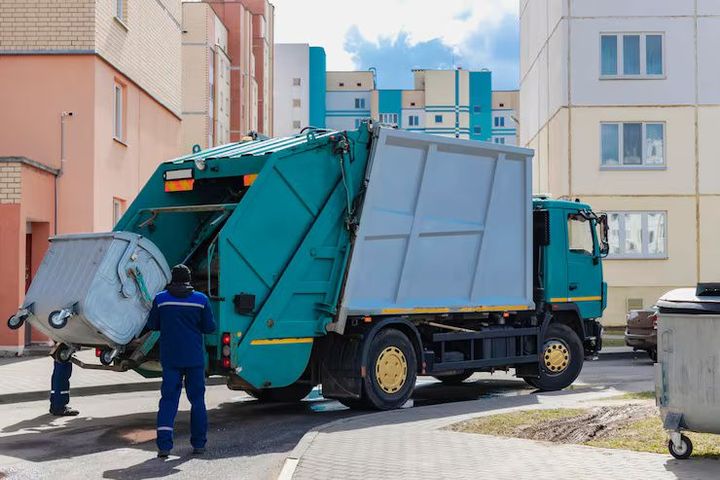
Bin tippers are mechanical devices designed to lift, tilt, and empty waste containers into larger collection units such as dumpsters, compactors, or trucks. They are commonly used in industries, commercial facilities, hospitals, food processing units, and municipal waste management systems.
The concept of bin tipping emerged from the need to reduce manual handling of heavy waste containers. Traditional waste disposal methods required workers to lift bins manually, increasing the risk of injuries and inefficiencies.
Bin tippers automate this process, ensuring consistent and controlled waste disposal. They are designed to handle various bin sizes, from small wheelie bins to large industrial containers.
These machines are available in manual, semi-automatic, and fully automated models. The choice depends on operational requirements and the scale of waste handling.
How Bin Tippers Work
Bin tippers use a structured mechanism to lift, secure, and empty bins efficiently. Each component plays a specific role in ensuring smooth operation.
| Component | Function |
|---|---|
| Lifting Mechanism | Raises the bin to tipping height |
| Clamp System | Secures the bin during operation |
| Control Panel | Allows operator control |
| Frame Structure | Provides stability and support |
Bin tippers are now widely used due to their reliability and adaptability in modern waste systems.
Importance – Why Bin Tippers Matter in Modern Waste Management
Efficient waste handling is essential for maintaining hygiene, safety, and environmental sustainability. Bin tippers help address key challenges associated with waste disposal.
One major benefit is improved workplace safety. Manual lifting of heavy bins can lead to injuries, especially in high-volume environments. Automation significantly reduces this risk.
They also improve operational efficiency. Facilities such as hotels, hospitals, and factories benefit from faster and more consistent waste handling processes.
Key Advantages
- Reduced physical strain on workers
- Faster waste disposal processes
- Consistent handling of different bin sizes
- Improved hygiene and reduced contamination risks
- Better compliance with workplace safety standards
Urbanization and industrial growth have increased waste generation, making efficient handling systems more important than ever.
Problems vs Solutions
| Problem | Solution Provided by Bin Tippers |
|---|---|
| Worker injuries | Automated lifting reduces strain |
| Slow disposal process | Faster and consistent operations |
| Spillage and contamination | Controlled tipping mechanism |
| Inconsistent handling | Standardized equipment usage |
Recent Updates – Trends and Developments in the Past Year
In 2025, bin tippers have evolved with advancements in automation and sustainability. These changes reflect broader industry trends.
One key trend is the integration of smart technology. Modern systems include sensors and programmable controls for improved safety and efficiency.
Energy efficiency is another major focus. Manufacturers are developing electric and low-energy hydraulic systems to reduce environmental impact.
Recent Developments
- 2025: Adoption of IoT-enabled waste handling systems
- Late 2024: Introduction of compact models for urban spaces
- 2025: Enhanced safety features like overload protection
- 2024–2025: Growth of automation in smart cities
System Comparison
| Feature | Earlier Systems | Modern Systems (2025) |
|---|---|---|
| Operation | Manual/Semi-auto | Fully automated |
| Safety | Basic guards | Advanced sensors |
| Energy Usage | High | Energy-efficient designs |
| Monitoring | None | IoT-enabled tracking |
These developments highlight a shift toward smarter and safer waste management solutions.
Laws or Policies – Regulations Affecting Bin Tipper Usage
Bin tippers are regulated by workplace safety and waste management laws. These regulations aim to protect workers and ensure proper waste handling.
In India, several frameworks guide their usage. These laws emphasize safety, efficiency, and environmental responsibility.
Key Regulations
- Occupational Safety, Health and Working Conditions Code (2020)
- Solid Waste Management Rules (2016)
- Factories Act (1948)
These regulations encourage the use of automated systems to minimize manual handling risks.
Compliance Requirements
- Proper installation and maintenance
- Operator training programs
- Use of safety features like emergency stops
- Regular inspections and risk assessments
Regulatory Focus Areas
| Regulation Area | Requirement |
|---|---|
| Worker Safety | Minimize manual lifting risks |
| Equipment | Ensure safe and reliable machinery |
| Waste Handling | Follow proper segregation and disposal |
| Training | Provide operator safety training |
Organizations that comply with these standards improve both safety and operational efficiency.
Tools and Resources – Helpful Solutions for Waste Handling
Various tools support efficient bin tipper operation and waste management. These solutions help track performance and ensure compliance.
Digital tools are increasingly used to optimize processes and improve decision-making.
Useful Tools
- Waste Management Software
- Maintenance Management Systems (CMMS)
- Safety Training Platforms
- IoT Monitoring Systems
- Risk Assessment Templates
Tool Applications
| Tool Type | Purpose |
|---|---|
| CMMS Software | Equipment maintenance tracking |
| Safety Checklists | Ensure operational compliance |
| Waste Audit Templates | Analyze waste generation patterns |
| Data Dashboards | Monitor efficiency and performance |
These tools enhance productivity and support safer waste management practices.
FAQs – Common Questions About Bin Tippers
What is a bin tipper used for?
A bin tipper is used to lift and empty waste bins into larger containers. It reduces the need for manual handling and improves efficiency.
Are bin tippers suitable for all types of waste?
They can handle various waste types, including general, recyclable, and industrial waste. Suitability depends on the machine design.
How do bin tippers improve workplace safety?
They reduce manual lifting, lowering the risk of injuries such as back strain. This makes workplaces safer and more efficient.
Do bin tippers require regular maintenance?
Yes, regular maintenance ensures safe operation and extends equipment lifespan. Scheduled checks are essential.
Can small businesses use bin tippers?
Compact models are available for smaller facilities. These make bin tippers suitable for a wide range of applications.
Conclusion – The Role of Bin Tippers in Modern Waste Systems
Bin tippers are essential in modern waste management systems. They automate lifting and disposal, improving safety, efficiency, and consistency.
As waste generation increases, the demand for efficient handling solutions will continue to grow. Innovations in automation and sustainability are enhancing their capabilities.
Understanding their function and regulatory context helps organizations adopt better practices. Bin tippers will remain a key part of sustainable waste management systems.