Cable Manufacturing Basics: Explore Materials, Processes, and Industry Information
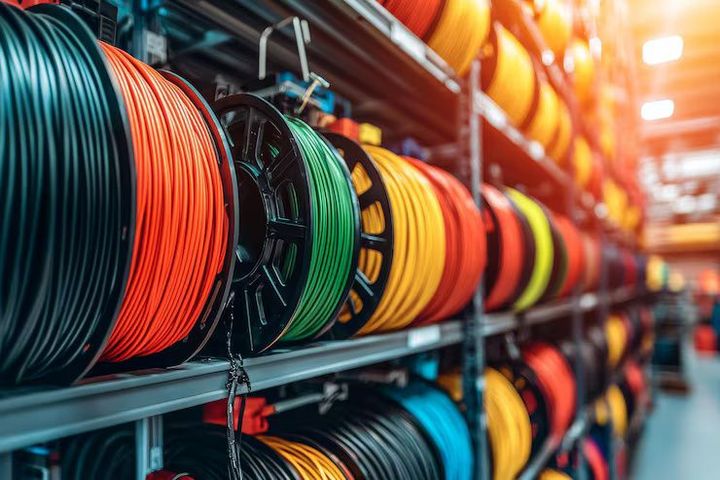
Cable manufacturing is the process of producing cables and wires used for transmitting electricity, data, and communication signals.
Modern societies rely on cables for power distribution, telecommunications, transportation systems, industrial operations, and residential infrastructure. The development of cable manufacturing has evolved alongside advances in electrical engineering, materials science, and industrial production methods.
Today, cable manufacturers produce a wide variety of products designed for different applications. These include power cables, communication cables, fiber-optic cables, control cables, and specialized industrial cables. Electrical cable manufacturers and power cable manufacturers supply products that support homes, offices, factories, renewable energy facilities, and public infrastructure.
The growth of urbanization, digital connectivity, and energy demand has increased the importance of industrial cable manufacturing worldwide. To meet these needs, cable manufacturing companies use specialized cable manufacturing machinery and cable production equipment to create products that meet safety and performance requirements.
Understanding the cable manufacturing process helps explain how raw materials are transformed into essential products used in everyday life.
Key Materials Used in Cable Manufacturing
Several materials are commonly used in wire and cable manufacturing:
- Copper: Widely used because of its high electrical conductivity and flexibility.
- Aluminum: Often used in power transmission applications due to its lighter weight.
- PVC (Polyvinyl Chloride): Common insulation and protective jacket material.
- XLPE (Cross-Linked Polyethylene): Frequently used for power cables because of its heat resistance.
- Rubber Compounds: Used in flexible and industrial cable applications.
- Fiber-Optic Glass: Used in telecommunications and data transmission cables.
The selection of materials depends on the cable's intended purpose, environmental conditions, and performance requirements.
Types of Cables Produced
Cable manufacturing companies produce many categories of cables, including:
- Power transmission cables
- Building and residential wiring
- Industrial control cables
- Instrumentation cables
- Telecommunications cables
- Fiber-optic cables
- Automotive cables
- Renewable energy cables
Each type is designed to meet specific operational and safety standards.
Importance
Cable manufacturing plays a significant role in modern infrastructure. Without cables, electricity distribution, internet connectivity, transportation networks, and industrial automation systems would not function effectively.
Supporting Energy Distribution
Power cable manufacturers contribute to electrical networks that connect generation facilities to businesses and households. These cables enable the movement of electricity across local, regional, and national grids.
As energy systems expand, cables remain essential components in conventional and renewable power projects alike.
Enabling Communication Networks
Communication cables support internet access, mobile networks, broadcasting systems, and cloud-based technologies. Fiber-optic cable manufacturing has become increasingly important as data consumption continues to grow.
Reliable communication infrastructure helps connect communities, businesses, educational institutions, and public organizations.
Supporting Industrial Operations
Industrial cable manufacturing supports manufacturing plants, warehouses, transportation systems, and automation facilities. Industrial environments often require cables designed to withstand heat, moisture, vibration, and mechanical stress.
These specialized products help maintain operational continuity in various sectors.
Economic and Infrastructure Development
Cable manufacturing companies contribute to construction projects, transportation systems, renewable energy installations, and digital infrastructure development.
The industry also supports related sectors such as metal processing, plastics manufacturing, machinery production, engineering, and logistics.
Overview of the Cable Manufacturing Process
The cable manufacturing process generally involves several stages:
| Production Stage | Purpose |
|---|---|
| Wire Drawing | Reduces metal rod diameter into wire form |
| Annealing | Improves flexibility and conductivity |
| Stranding | Combines multiple wires into conductors |
| Insulation | Applies protective insulating materials |
| Cabling | Groups insulated conductors together |
| Sheathing | Adds outer protective layers |
| Testing | Verifies safety and performance standards |
| Packaging | Prepares finished cables for distribution |
Although production methods vary by product type, these stages form the foundation of most wire and cable manufacturing operations.
Recent Updates
Recent developments between 2024 and 2026 have focused on efficiency, sustainability, and digitalization across the cable manufacturing sector.
Increased Automation
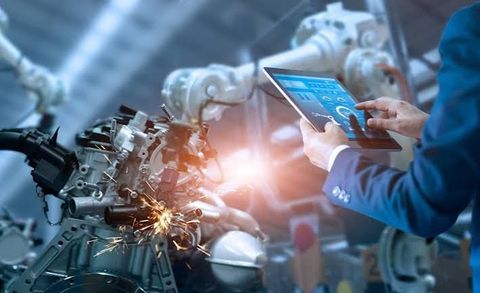
Many cable manufacturing plants have adopted advanced automation technologies. Automated monitoring systems can track production parameters, improve consistency, and reduce production interruptions.
Modern cable manufacturing machinery often includes computerized controls that support precision during wire drawing, insulation, and testing operations.
Growth of Renewable Energy Infrastructure
Expansion of solar, wind, and energy storage projects has increased demand for specialized power cables. Manufacturers continue developing products designed for renewable energy environments.
These applications often require cables capable of operating under varying environmental conditions.
Smart Manufacturing Practices
Digital technologies are becoming more common in industrial cable manufacturing facilities. Sensors, data analytics, and predictive maintenance systems help monitor equipment performance and production quality.
Such technologies support more efficient use of resources and equipment.
Sustainability Initiatives
Environmental considerations have encouraged the use of recyclable materials, energy-efficient production methods, and reduced manufacturing waste.
Many organizations are exploring ways to improve material recovery and optimize resource consumption throughout the cable manufacturing process.
Expanding Data Infrastructure
The continued growth of cloud computing, data centers, and telecommunications networks has increased demand for fiber-optic and high-performance communication cables.
As digital connectivity expands, communication cable production remains an important area of industry development.
Laws or Policies
Cable manufacturing is influenced by various regulations and standards that help ensure safety, performance, and environmental compliance.
Product Safety Standards
Electrical cable manufacturers typically follow technical standards established by national and international organizations. These standards define requirements related to:
- Electrical performance
- Fire resistance
- Insulation quality
- Mechanical durability
- Environmental suitability
Compliance helps ensure that cables meet established safety expectations.
Environmental Regulations
Many countries have environmental rules governing manufacturing emissions, waste management, recycling practices, and material handling.
Cable manufacturing companies often implement procedures to align production activities with environmental requirements.
Workplace Safety Requirements
Industrial facilities must follow occupational safety regulations designed to protect workers and maintain safe operating conditions.
These regulations may address:
- Machinery operation
- Electrical safety
- Chemical handling
- Personal protective equipment
- Emergency response planning
Trade and Quality Certifications
Manufacturers may also comply with quality management systems and certification programs recognized within the industry.
Examples can include quality assurance frameworks, product testing requirements, and international manufacturing standards that support consistency across global markets.
Tools and Resources
Several tools and resources help professionals, students, and organizations understand cable manufacturing and related technologies.
Design and Engineering Software
Engineering software can assist with:
- Cable design calculations
- Electrical performance analysis
- Material selection
- Manufacturing planning
These tools support product development and technical evaluation.
Industry Standards Organizations
Organizations that publish standards and technical guidelines provide valuable information regarding cable specifications, testing methods, and compliance requirements.
Examples include national standards bodies and international technical committees focused on electrical products.
Manufacturing Planning Systems
Many cable manufacturing plants use digital systems for:
- Production scheduling
- Inventory management
- Equipment monitoring
- Quality control documentation
These platforms help organize manufacturing operations and production workflows.
Technical Training Resources
Educational institutions, engineering associations, and industry publications often provide learning materials related to wire and cable manufacturing, materials science, electrical systems, and production technologies.
Cable Calculation Tools
Online calculators and engineering reference tools can help estimate:
- Voltage drop
- Current-carrying capacity
- Conductor sizing
- Power transmission characteristics
These resources assist in understanding how cables perform under different operating conditions.
FAQs
What is cable manufacturing?
Cable manufacturing is the industrial process of producing electrical, communication, and data cables using conductors, insulation materials, protective layers, and specialized production equipment.
What materials are commonly used in wire and cable manufacturing?
Wire and cable manufacturing commonly uses copper, aluminum, PVC, XLPE, rubber compounds, and fiber-optic glass. Material selection depends on the cable's intended application and operating environment.
What equipment is used in a cable manufacturing plant setup?
A cable manufacturing plant setup typically includes wire drawing machines, annealing equipment, stranding machines, extrusion lines, testing systems, and packaging equipment. These components work together throughout the cable manufacturing process.
How do electrical cable manufacturers test product quality?
Electrical cable manufacturers perform tests related to conductivity, insulation performance, mechanical strength, voltage resistance, and safety compliance. Testing helps verify that products meet applicable standards.
What is the difference between power cable manufacturers and communication cable manufacturers?
Power cable manufacturers focus on cables used for electrical energy transmission and distribution, while communication cable manufacturers produce cables designed for data, internet, and telecommunications networks.
Conclusion
Cable manufacturing is an essential industrial activity that supports energy systems, communication networks, transportation infrastructure, and modern technology. The industry relies on specialized materials, cable manufacturing machinery, and carefully managed production processes to create a wide range of products. Recent developments have emphasized automation, digital technologies, sustainability, and growing infrastructure demands. Understanding the cable manufacturing process provides valuable insight into an industry that plays a significant role in everyday life and economic development.