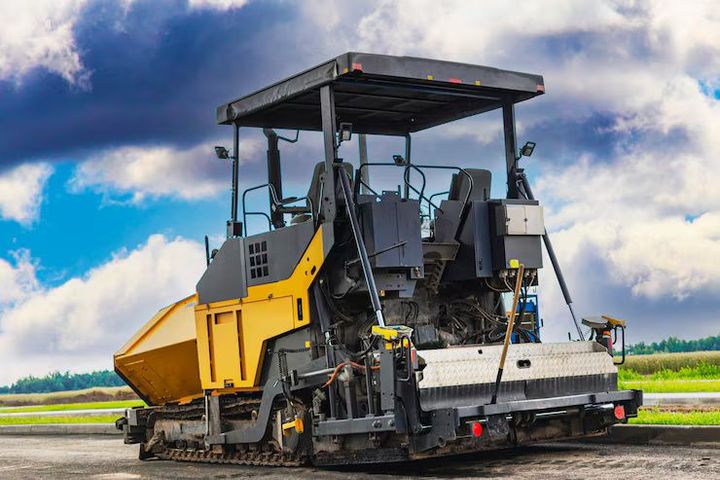
Compaction plays a fundamental role in infrastructure projects. Whether building roads, bridges, buildings, or landfills, proper compaction ensures that the foundation can support loads without shifting or collapsing over time.
Compacting machines are designed to increase material density using pressure, vibration, or impact force. They are essential tools in modern construction and industrial operations.
Types of Compacting Machines
There are several types of compacting machines, each suited for specific applications and materials.
-
Plate compactors for small areas and paving work
-
Vibratory rollers for large construction sites
-
Rammer compactors for confined spaces
-
Pneumatic rollers for asphalt compaction
-
Landfill compactors for waste management
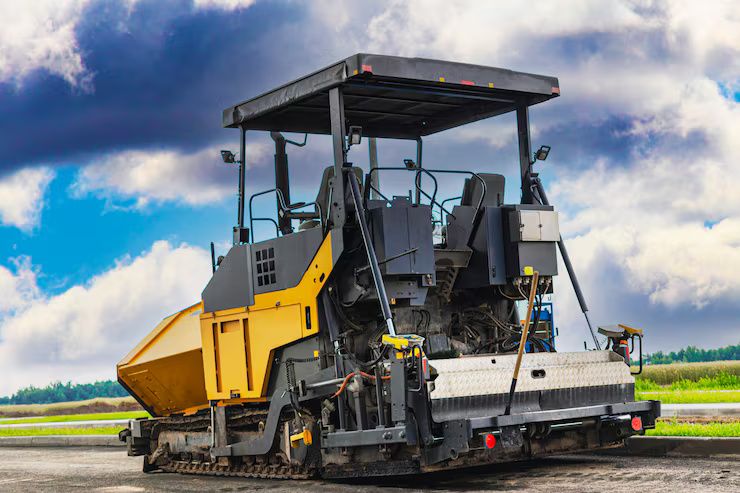
Why Compacting Machines Matter in Modern Industries
Compacting machines are essential in supporting modern infrastructure development. With increasing urbanization, the demand for durable and stable construction has grown significantly.
They help ensure long-term reliability and reduce maintenance issues across various projects.
Key Benefits of Compacting Machines
These machines offer several advantages in construction and industrial applications:
-
Improve structural stability of buildings and roads
-
Reduce the risk of soil settlement and failure
-
Enhance load-bearing capacity
-
Increase lifespan of infrastructure
-
Support efficient landfill waste management
Industries That Use Compacting Machines
Many industries depend heavily on compacting machines for operational efficiency.
-
Construction and civil engineering
-
Road and highway development
-
Mining and heavy equipment operations
-
Municipal waste management
-
Landscaping and urban development
Without proper compaction, projects may experience cracks, uneven surfaces, and water infiltration. This can lead to costly repairs and reduced durability.
Recent Trends and Developments in Compacting Technology
The compacting machine industry has evolved significantly in 2025. Manufacturers are focusing on automation, energy efficiency, and digital monitoring systems.
These advancements are improving accuracy, reducing errors, and enhancing productivity.
Key Technological Trends
Recent innovations in compacting technology include:
-
GPS and telematics for real-time tracking
-
Electric and hybrid machines for lower emissions
-
Intelligent compaction systems that adapt to soil conditions
-
Remote control operation for enhanced safety
-
IoT-enabled sensors for predictive maintenance
These technologies are increasingly used in smart infrastructure projects and recycling facilities.
Regulatory Framework and Compliance Considerations
Compacting machines must comply with safety and environmental regulations. These rules vary by country but generally focus on emissions, noise control, and operator safety.
In India, several organizations regulate compacting equipment standards.
Key Regulatory Bodies in India
-
Bureau of Indian Standards (BIS) for quality and performance
-
Central Pollution Control Board (CPCB) for emissions and noise
-
Occupational safety authorities for worker protection
Important Compliance Factors
-
Noise level restrictions
-
Emission standards for diesel equipment
-
Mandatory safety features
-
Operator training requirements
Globally, ISO standards and environmental policies guide equipment manufacturing and usage.
Tools, Technologies, and Resources
Various tools and digital systems support compaction processes. These tools help monitor performance, improve accuracy, and ensure proper planning.
Common Tools Used in Compaction
-
Soil testing devices (Proctor test equipment)
-
Nuclear density gauges
-
GPS-based monitoring systems
-
Project management software
-
Maintenance tracking systems
-
Simulation tools
Key Software Solutions
-
CAD tools for site design
-
Telematics dashboards
-
Data analytics platforms
Comparison of Compacting Machines
| Machine Type | Application Area | Key Feature |
|---|
| Plate Compactor | Small surfaces | Lightweight and portable |
| Vibratory Roller | Roads and highways | High efficiency for large areas |
| Rammer Compactor | Trenches, tight spaces | Strong impact force |
| Pneumatic Roller | Asphalt compaction | Smooth surface finishing |
| Landfill Compactor | Waste management | Heavy-duty compression |
Basic Compaction Workflow
-
Analyze soil or material type
-
Select suitable compacting machine
-
Adjust machine settings
-
Perform compaction in layers
-
Test density and stability
Modern systems often include automated feedback for better performance control.
Frequently Asked Questions
What is the primary function of compacting machines?
The main function is to increase material density by reducing air gaps. This improves strength and stability in construction and industrial applications.
Which machines are used for road construction?
Vibratory rollers and pneumatic rollers are commonly used for roads and asphalt compaction.
What is intelligent compaction technology?
It is a system that uses sensors and data to automatically adjust compaction settings based on material conditions.
Why is soil compaction important?
Proper compaction prevents settlement, improves load capacity, and ensures long-term durability.
Are compacting machines regulated?
Yes, they must comply with safety, emission, and noise regulations in different countries.
Additional Insights and Practical Considerations
Modern compacting machines can handle various materials, from loose soil to industrial waste. Choosing the right machine depends on project requirements and environmental conditions.
Key Factors to Consider
-
Soil type (clay, sand, gravel)
-
Moisture content
-
Layer thickness
-
Machine vibration frequency
-
Environmental conditions
Compaction Effectiveness by Material Type
| Material Type | Recommended Machine | Compaction Efficiency |
|---|
| Clay | Rammer Compactor | Moderate |
| Sand | Vibratory Roller | High |
| Gravel | Plate Compactor | High |
| Asphalt | Pneumatic Roller | Very High |
Regular maintenance is also important to ensure performance and safety. Inspecting engines, drums, and vibration systems helps prevent failures.
Conclusion
Compacting machines are critical for construction, infrastructure, and industrial operations. They ensure stable, durable, and long-lasting structures by properly compressing materials.
With advancements in automation, intelligent systems, and eco-friendly designs, compacting technology continues to evolve. These innovations improve productivity, safety, and sustainability.
Understanding compacting machines helps professionals make informed decisions. As infrastructure demands grow, these machines will remain essential for reliable development.