Discover Gold Testing Machines: Complete Guide and Details
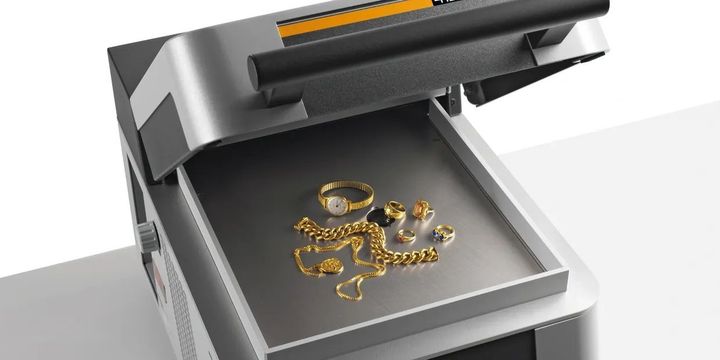
Gold testing machines play an important role in determining the purity and composition of gold without causing unnecessary damage to the item being examined. These machines are widely used by jewelry manufacturers, assay laboratories, recycling facilities, financial institutions, and quality control professionals to verify the authenticity of precious metals. Understanding how a gold testing machine works helps individuals appreciate the science behind accurate gold analysis.
Gold testing machines play an important role in determining the purity and composition of gold without causing unnecessary damage to the item being examined. These machines are widely used by jewelry manufacturers, assay laboratories, recycling facilities, financial institutions, and quality control professionals to verify the authenticity of precious metals. Understanding how a gold testing machine works helps individuals appreciate the science behind accurate gold analysis.
This guide explains the purpose, working principles, common technologies, recent developments, regulations, and useful resources related to gold testing machines. Whether you are learning about precious metal testing or exploring industrial inspection equipment, this educational overview provides factual information in a simple and easy-to-understand format.
Context
A gold testing machine is an analytical instrument designed to measure the purity, elemental composition, or authenticity of gold and other precious metals. Different testing methods provide varying levels of accuracy depending on the equipment and application.
Historically, gold purity was evaluated using methods such as touchstone testing and chemical acid testing. While these methods are still known today, modern technology has introduced faster and more precise instruments that can analyze metals with minimal or no damage to the sample.
The primary purpose of a gold testing machine is to identify the percentage of gold present in jewelry, coins, bars, industrial components, or recycled materials. Many systems can also detect silver, platinum, palladium, copper, nickel, zinc, and other alloying elements.
Common Types of Gold Testing Machines
Several technologies are commonly used for precious metal analysis:
- X-ray Fluorescence (XRF) analyzers
- Electronic gold testers
- Ultrasonic testing equipment
- Density measurement systems
- Fire assay laboratory equipment
- Spectrometers for elemental analysis
Each technology has specific advantages depending on the level of accuracy, testing speed, and sample requirements.
Importance
Gold testing machines help ensure accurate identification of precious metal composition. Reliable testing supports quality control, authentication, manufacturing consistency, recycling processes, and compliance with purity standards.
Many industries benefit from these instruments, including:
- Jewelry manufacturing
- Precious metal refining
- Assay laboratories
- Pawn evaluation facilities
- Financial institutions
- Recycling industries
- Research laboratories
- Educational institutions
Accurate testing also helps distinguish genuine gold from plated materials or counterfeit products. This contributes to improved transparency throughout the precious metals industry.
The following table compares several common testing methods.
| Testing Method | Sample Damage | Speed | Typical Application |
|---|---|---|---|
| XRF Analysis | No | Fast | Jewelry and bullion testing |
| Electronic Tester | Minimal | Fast | Preliminary verification |
| Density Testing | None | Moderate | Purity estimation |
| Fire Assay | Yes | Slow | Laboratory analysis |
| Spectrometer | Usually none | Fast | Industrial quality control |
Understanding the strengths and limitations of each method helps users select an appropriate testing approach for specific situations.
Recent Updates
From 2024 to 2026, gold testing technology has continued to improve with greater emphasis on accuracy, portability, and digital integration.
Manufacturers have introduced more compact XRF analyzers capable of producing detailed elemental analysis within seconds. Improved detector technology has enhanced sensitivity while reducing measurement time.
Other developments include:
- Improved touchscreen interfaces
- Cloud-based report storage
- Automated calibration assistance
- Artificial intelligence support for data interpretation
- Better battery performance in portable analyzers
- Enhanced software for generating testing reports
- Expanded multi-metal identification capabilities
Research has also focused on improving non-destructive testing techniques that preserve valuable jewelry and collectible items during examination.
Laboratories increasingly integrate digital record management systems with testing instruments, allowing easier documentation and traceability of precious metal analysis.
Laws or Policies
Many countries regulate precious metal testing and hallmarking to maintain consumer confidence and support fair trade practices.
Government agencies often establish standards for metal fineness, hallmark requirements, laboratory accreditation, and measurement accuracy. National standards organizations may also publish testing procedures for laboratories and manufacturers.
Examples of regulated areas include:
- Precious metal hallmarking
- Laboratory quality management
- Instrument calibration
- Measurement traceability
- Product labeling requirements
- Consumer protection regulations
Quality Standards Used in Testing
Several internationally recognized standards help laboratories maintain consistent testing practices.
| Standard Area | Purpose |
| Laboratory accreditation | Supports reliable testing procedures |
| Instrument calibration | Improves measurement consistency |
| Precious metal hallmarking | Identifies metal purity |
| Quality management systems | Maintains standardized processes |
| Measurement traceability | Supports repeatable analytical results |
Organizations performing gold analysis typically follow documented quality procedures to ensure accurate and repeatable measurements.
Tools and Resources
Various educational platforms and technical resources help users understand precious metal testing technologies.
Useful resources include:
- National standards organization websites
- Government hallmarking authorities
- Laboratory accreditation agencies
- Precious metals associations
- Scientific publications on XRF technology
- Instrument user manuals
- Educational metallurgy resources
Many laboratories also use calibration records, testing worksheets, and digital reporting software to document analytical results and maintain consistent quality procedures.
Online unit conversion calculators can assist with measurements involving grams, troy ounces, karats, and fineness percentages when interpreting precious metal data.
FAQs
What is a gold testing machine?
A gold testing machine is an instrument that measures the purity or elemental composition of gold using analytical technologies such as XRF, electronic conductivity testing, or laboratory analysis.
Is XRF testing destructive?
No. XRF analysis is considered a non-destructive testing method because it measures elemental composition without damaging the tested item under normal operating conditions.
Why is calibration important?
Calibration helps maintain measurement accuracy by ensuring that the instrument continues producing reliable analytical results according to recognized standards.
Can gold testing machines analyze other metals?
Yes. Many modern instruments can identify multiple elements, including silver, platinum, palladium, copper, nickel, zinc, and several additional alloying metals.
Who commonly uses gold testing machines?
These instruments are commonly used by jewelry manufacturers, assay laboratories, refiners, recycling companies, educational institutions, research facilities, and quality control professionals.
Conclusion
Gold testing machines are valuable analytical tools that support accurate identification of precious metal purity and composition. Modern technologies have improved testing speed, precision, and non-destructive analysis while supporting quality assurance across multiple industries. Understanding different testing methods, relevant standards, and available resources helps users appreciate the scientific principles behind precious metal analysis. As technology continues to advance, gold testing equipment is expected to become even more efficient, accurate, and digitally connected.